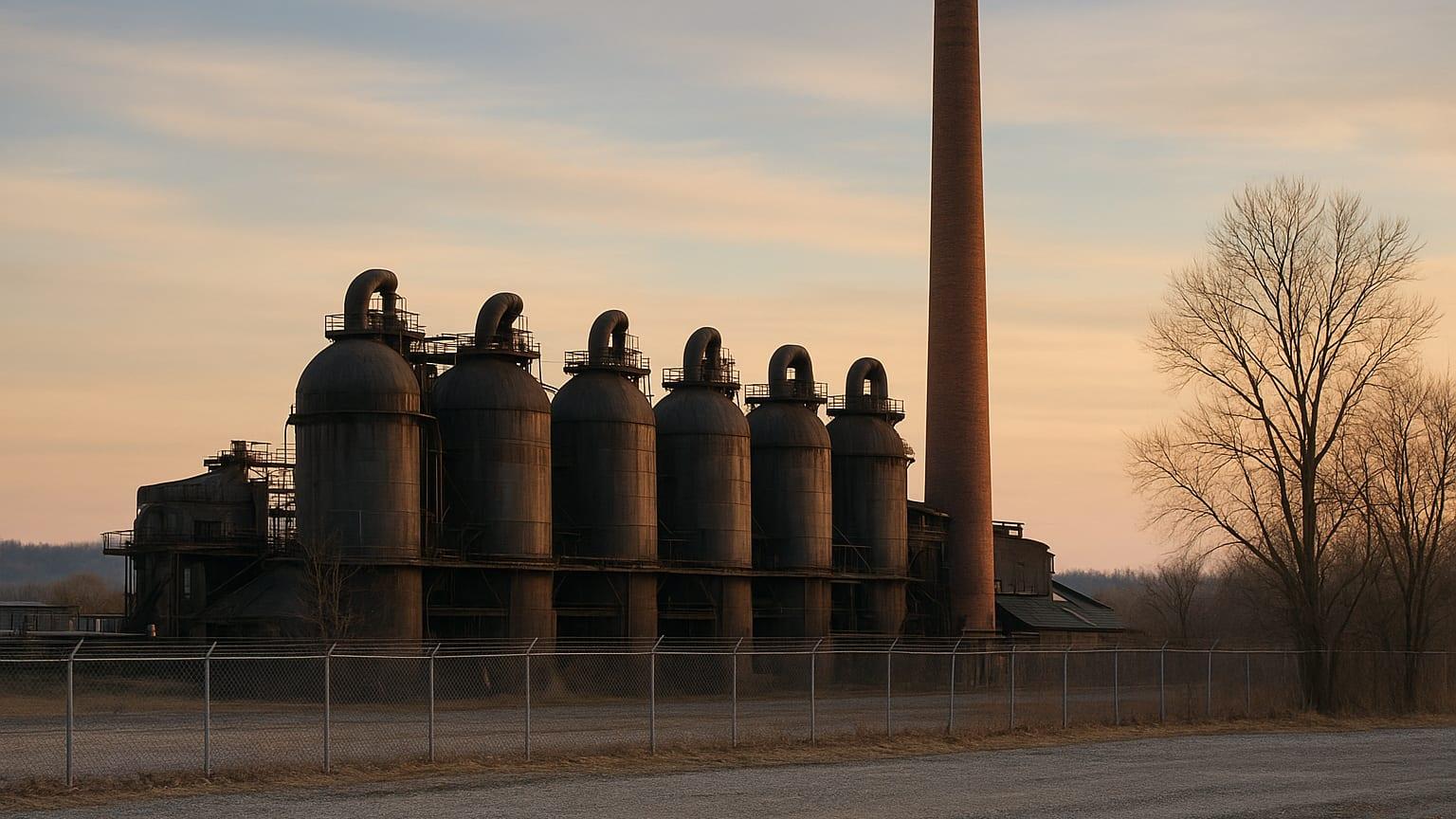
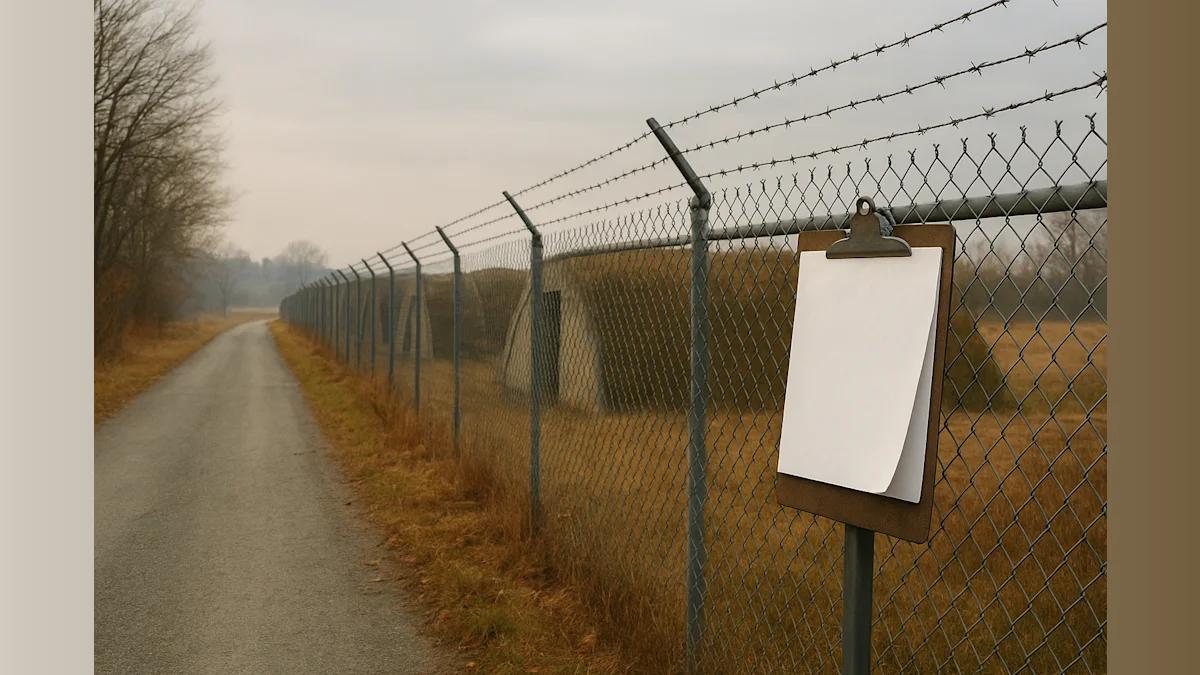
The U.S. Army has delayed the planned detonation of approximately 5 tons of expired bomb-making material in Iowa, responding to residents' worries about a potential cloud of lead dust. The postponement, reported on November 20, 2026, by NPR, underscores growing tension between military disposal operations and community health concerns.
The material, identified as lead azide, is a sensitive explosive commonly used in detonators and primers. The Army had intended to destroy the stockpile through open detonation, a method that can release hazardous particulates into the air. Residents near the proposed site voiced alarm over the prospect of lead-laden dust drifting into their neighborhoods.
In its announcement, the Army emphasized that "public safety" remains a top priority, though it did not specify a new timeline for the operation. The delay allows officials to reassess the disposal plan and address community feedback.
Lead azide is highly toxic, and exposure to lead dust can cause serious health problems, particularly for children and pregnant women. The Environmental Protection Agency regulates lead emissions under the Clean Air Act, and open burning of hazardous waste is generally prohibited without a permit.
Local residents and environmental advocates have called for more transparency and alternative disposal methods, such as contained detonation chambers or chemical neutralization. The Army has not yet indicated whether it will consider such alternatives.
This is not the first time military munitions disposal has sparked controversy. Similar concerns have arisen at sites across the country, where aging stockpiles of explosives require safe destruction. The Army's decision to pause the Iowa operation reflects a growing awareness of the need to balance operational readiness with environmental stewardship.
For now, the 5 tons of lead azide remain in storage while the Army reviews its options. Residents await further word on when—and how—the material will be destroyed.