A botanist's radical experiment in ecological restoration has transformed a barren, invasive-plant-covered hillside into New Zealand's largest privately held nature reserve, demonstrating that sometimes the most effective environmental intervention is strategic inaction.
Hugh Wilson faced widespread doubt when he began managing 109 hectares of depleted farmland in 1987. The property was overrun with gorse, an invasive shrub that farmers had spent generations attempting to eliminate through burning and bulldozing. Local residents dismissed his proposal as impractical, describing it with a phrase Wilson would later embrace: fools and dreamers stuff.
Wilson's approach defied conventional wisdom. Rather than continuing the futile battle against gorse, he recognized the plant's unexpected ecological value. The thorny shrub provided protection for native seedlings, its canopy retained essential moisture, and as those sheltered seedlings matured and grew taller than the gorse, they naturally shaded out the invasive species, which then died off after completing its inadvertent role as caretaker.
"The key was to leave it well alone, take away the things that stopped the regeneration process and let nature do the hard work," Wilson told RNZ, articulating a philosophy centered on removing obstacles rather than imposing solutions.
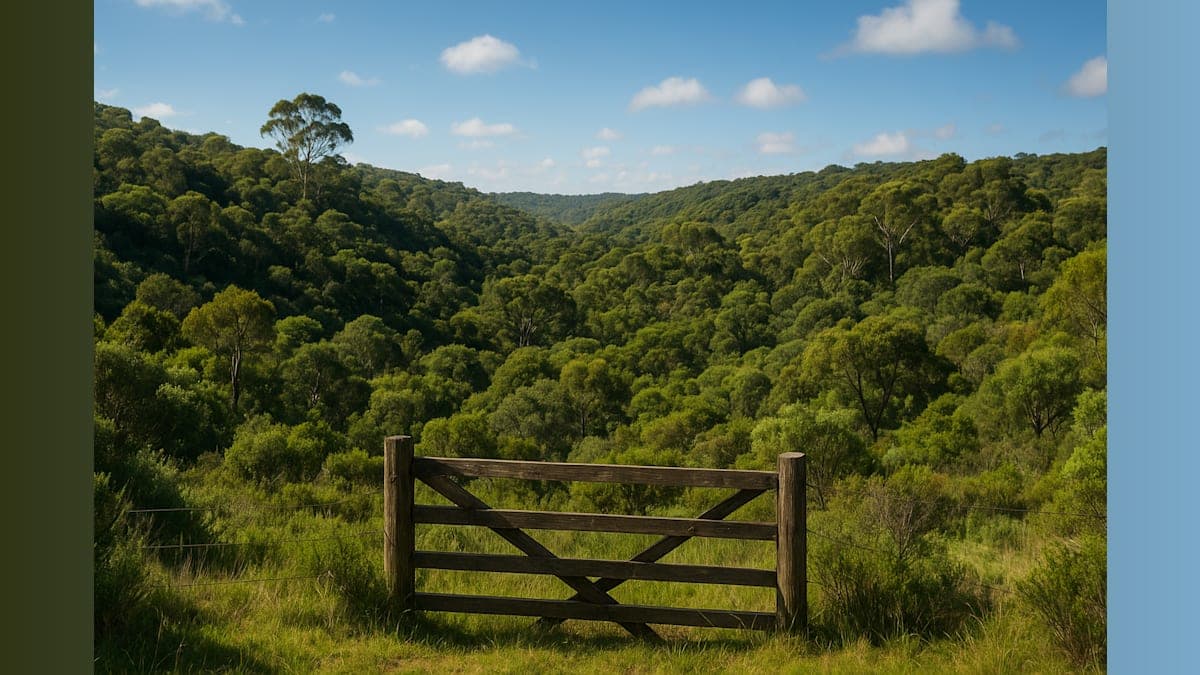
The results have exceeded initial expectations. Hinewai Reserve has expanded to 1,500 hectares and now features 47 permanently flowing waterfalls. Native bird species have returned to the reserve and begun spreading into surrounding farms, appearing in areas where they had been absent for generations.
Now in his eighties, Wilson continues his stewardship of the land, cycling to work and hand-illustrating the reserve's quarterly newsletter. He maintains free public access to the property, embodying a conservation model built on patience and ecological humility.
The Hinewai Reserve stands as evidence that effective environmental restoration sometimes requires resisting the impulse to control natural processes. Wilson's work suggests that understanding ecosystem dynamics and allowing them to unfold can achieve what aggressive intervention cannot, transforming what appeared to be an ecological liability into the foundation for recovery.