A British startup has developed a novel approach to renewable energy generation that relies on an unexpected source: bacteria living in ordinary soil. The company, Bactery, has created a battery system that harnesses naturally occurring microorganisms to produce a continuous flow of electrical power.
According to Bactery founder and CEO Jakub Dziegielowski, the device complements standard renewable systems like solar power, particularly because it draws power even when the sun is not shining, according to Good News Network. This characteristic addresses one of the primary limitations of solar energy: its dependence on daylight and favorable weather conditions.
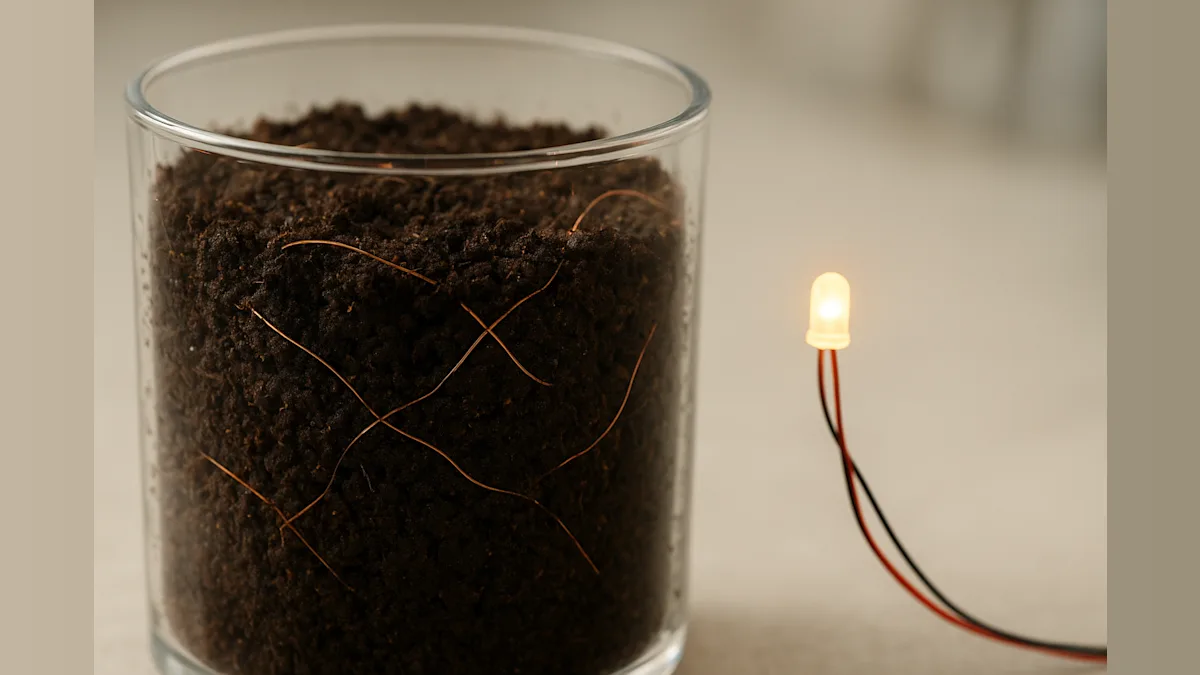
The technology works by utilizing nature's microbes to generate what the company describes as an unending trickle of power. While individual prototype units produce modest amounts of electricity, Bactery has demonstrated that stringing multiple devices together can generate a more substantial stream of power.
The innovation represents a significant departure from conventional renewable energy technologies. Rather than relying on photovoltaic cells, wind turbines, or hydroelectric systems, the bacterial battery taps into the metabolic processes of soil-dwelling microorganisms. These bacteria naturally produce electrons as part of their biological functions, and the Bactery system captures this electrical output.
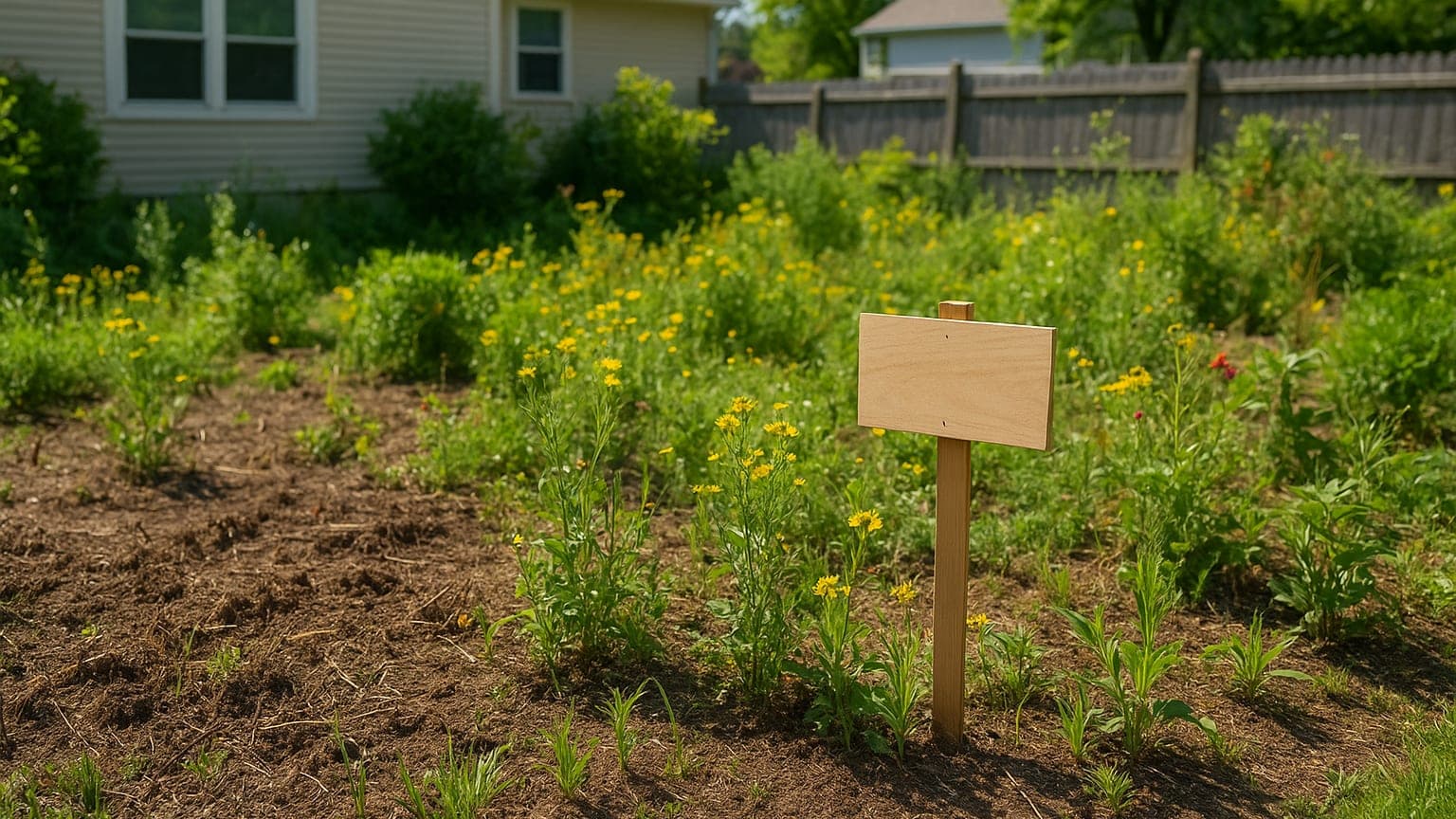
The potential applications for such technology could extend beyond large-scale power generation. If the system proves scalable and cost-effective, it could theoretically enable homeowners to generate supplemental electricity from their own gardens or yards. This distributed generation model would represent a fundamental shift in how residential properties interact with the electrical grid.
The continuous nature of bacterial power generation offers distinct advantages over intermittent renewable sources. Solar panels cease production at night, and wind turbines require adequate wind speeds to operate efficiently. A bacterial battery system, by contrast, could theoretically provide baseline power regardless of weather conditions or time of day, making it a valuable complement to existing renewable infrastructure.
While the technology remains in the prototype stage, its development reflects broader trends in renewable energy innovation. Researchers and entrepreneurs worldwide continue exploring unconventional power sources as societies seek to transition away from fossil fuels and reduce carbon emissions.
The success of Bactery's technology will ultimately depend on factors including power output efficiency, system longevity, maintenance requirements, and production costs. These practical considerations will determine whether bacterial batteries can transition from laboratory curiosity to commercially viable energy solution.