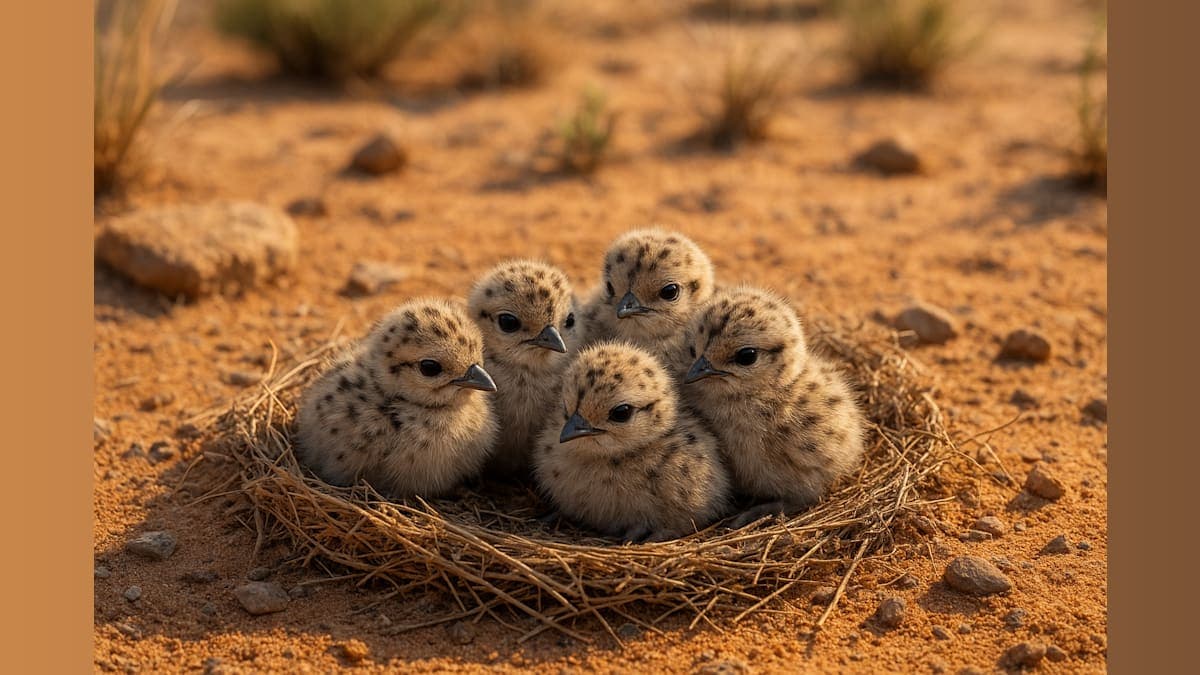
Chester Zoo in England has accomplished a significant conservation breakthrough by successfully breeding secretarybirds for the first time since the facility opened 95 years ago, producing five chicks from a single pair of the endangered African birds of prey.
The chicks represent a critical addition to an international conservation breeding program designed to protect one of Africa's rarest bird species. Parents John and Jolene, who came to Chester Zoo as part of coordinated global conservation efforts, successfully raised all five offspring.
The achievement carries particular weight given the limited population within the European breeding program, which currently maintains just 79 birds. Over the past year, only three other secretarybird chicks have hatched at facilities across the continent, making Chester Zoo's quintet a substantial contribution to the species' survival prospects.
Zoo officials believe the breeding techniques developed at Chester could provide a template for other conservation facilities seeking to improve their success rates with this challenging species. According to a media release from the zoo, these methods may help boost breeding outcomes throughout Europe.
Secretarybirds stand apart from other raptors through their distinctive hunting behavior. While eagles and hawks pursue prey from the air, secretarybirds hunt on foot, using their long, thin legs to stride across African grasslands. Their scientific name, Sagittarius serpentarius, translates to "the archer of snakes," a reference to their specialized ability to kill venomous serpents by stomping on them.
Birdkeeper Jamie Cartwright-Stock described the hatching of five healthy chicks in rapid succession as an incredible achievement for the zoo's team, according to the media release.
The urgency behind these conservation efforts stems from dramatic population declines in recent decades. Wild secretarybird numbers have plummeted to as few as 6,700 birds as African grasslands have been converted to agricultural land and urban development. This precipitous drop led the International Union for Conservation of Nature to classify the species as Endangered on its Red List.
"With five new chicks, we're playing a leading role in the conservation of these incredible birds," Andrew Owen, the zoo's Head of Birds, said in the media release. He emphasized that monitoring and sharing data about these chicks could improve breeding success across the entire safety-net population maintained in zoos worldwide.
The successful breeding represents more than a milestone for Chester Zoo. It demonstrates the vital role that coordinated international conservation programs play in preventing species extinction, particularly for animals whose natural habitats continue to shrink under human pressure.