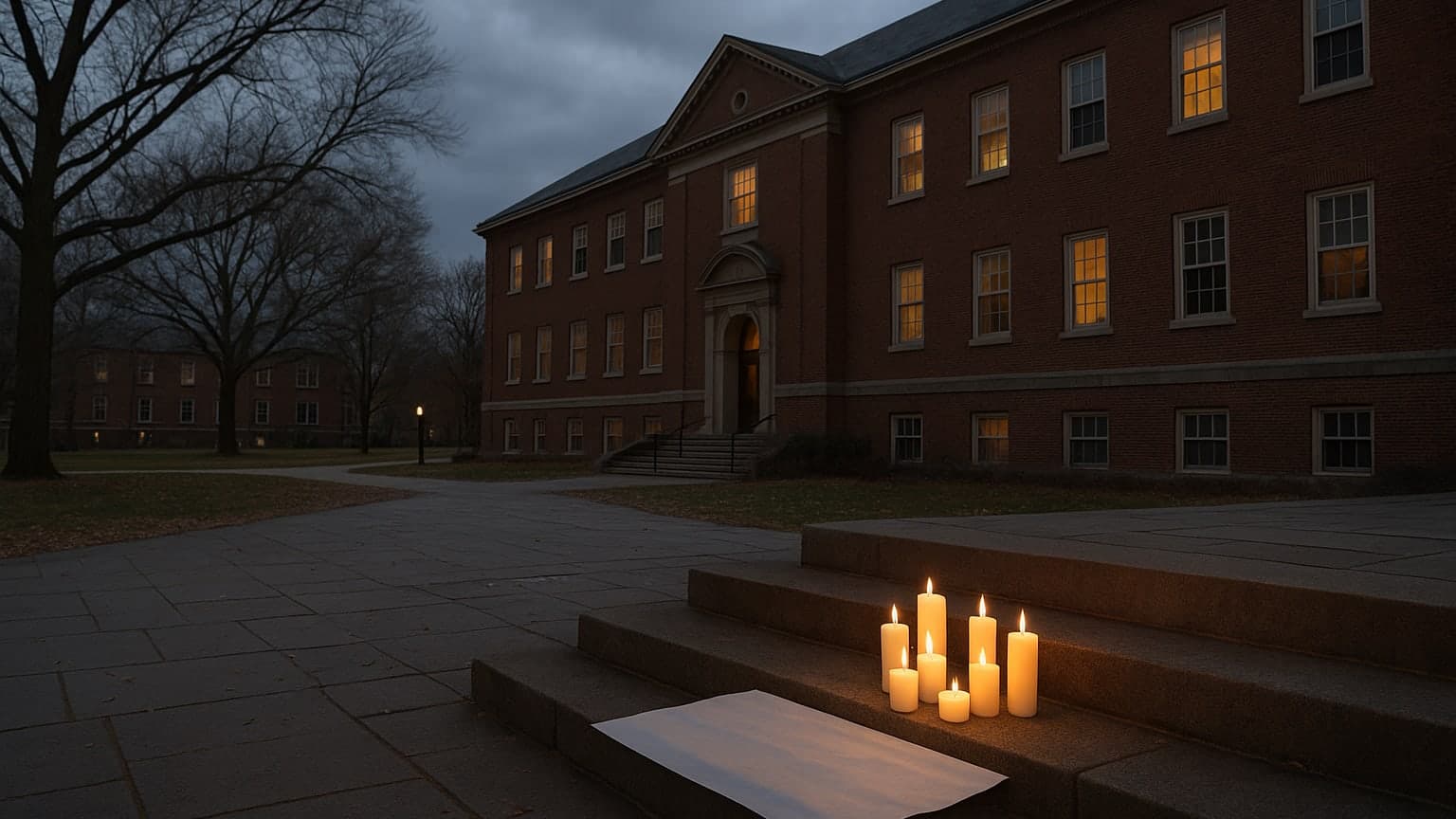

A lawsuit involving Cornell University is prompting renewed scrutiny of the responsibilities that colleges and universities bear when students report sexual assault, according to reporting published by NPR on October 3, 2026. The central question raised by the case is whether litigation can compel institutions to adopt changes that make students safer.
A key point of the analysis is that a university's obligations do not disappear simply because prosecutors decide not to bring criminal charges. Attorney Blaine Kerr explained how those protections work, speaking to NPR. The distinction matters because campus disciplinary processes and the criminal justice system operate on separate tracks, meaning a decision by prosecutors not to pursue a case does not automatically release a school from its own duties to respond to a report.
The segment was published on October 3, 2026, at 5:57 PM ET. NPR noted in the accompanying material that the organization does not offer or accept money for coverage or interviews, and that anyone making such an offer or request is not an NPR employee and does not represent NPR.
For local readers, the case serves as a reminder that the question of institutional accountability extends beyond any single campus. Families, students, and administrators in communities everywhere are grappling with the same underlying issue: what a school owes a student who comes forward, and whether the threat of litigation is an effective lever for changing institutional behavior.