A Wisconsin man has embarked on an ambitious cross-country cycling campaign to raise awareness about living kidney donation after a chance encounter changed his understanding of how organ transplants work.
Mark Scotch met Hugh Smith during a trip from Wisconsin to Louisiana. During their conversation, Scotch learned that Smith endured 10 hours of dialysis treatment daily while waiting for a kidney transplant. The revelation moved Scotch to offer one of his own kidneys to Smith, despite the two being virtual strangers.
What Scotch discovered next revealed a sophisticated network of kidney donation that few Americans understand. Through a voucher program, he could donate his kidney to a compatible recipient near his Wisconsin home while simultaneously advancing Smith to the top of the transplant waitlist in Louisiana. This arrangement eliminated the geographic barrier that might have otherwise prevented Scotch from helping the man he had just met.
The voucher system represents one advancement in a broader transformation of kidney donation that began in the early 2000s. Dr. Mike Rees pioneered paired donation programs that use algorithms to match incompatible donor-recipient pairs. These computational systems identify chains of potential donors and recipients who can help each other even when direct matches prove impossible.
Economist Alvin Roth further revolutionized the field by developing a computerized system to match kidney recipients with compatible living donors. These technological innovations have removed obstacles to donation while increasing successful transplants worldwide.
Scotch recognized a critical gap in public knowledge about these programs. Many Americans believe kidney donations come exclusively from deceased individuals or close family members and friends. The reality of living donation from willing strangers remains largely unknown to the general public.
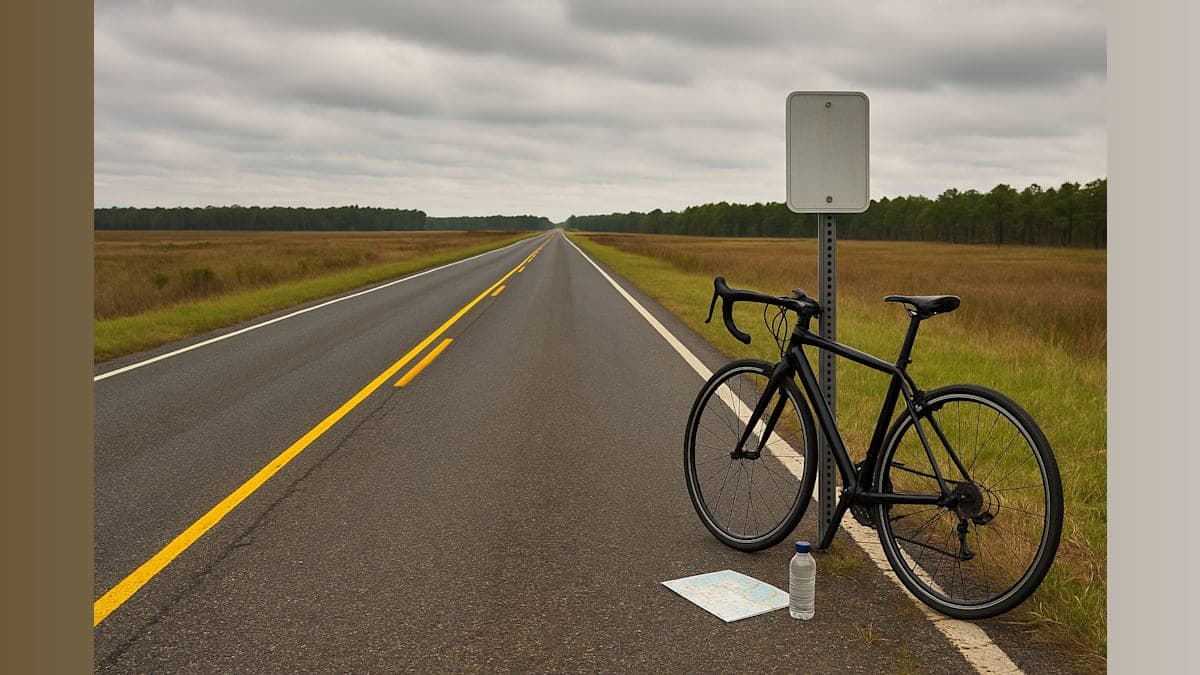
Determined to change that perception, Scotch organized the Organ Trail, a self-directed cycling journey that has covered over 12,000 miles to date. The campaign aims to educate communities about living kidney donation and the innovative matching systems that make such gifts possible between unrelated individuals.
The initiative highlights how medical technology and human compassion can intersect to address the ongoing shortage of available organs for transplant. By sharing his story and the mechanisms that enabled his donation, Scotch hopes to inspire others to consider becoming living donors and to understand the life-saving potential of these advanced matching programs.