
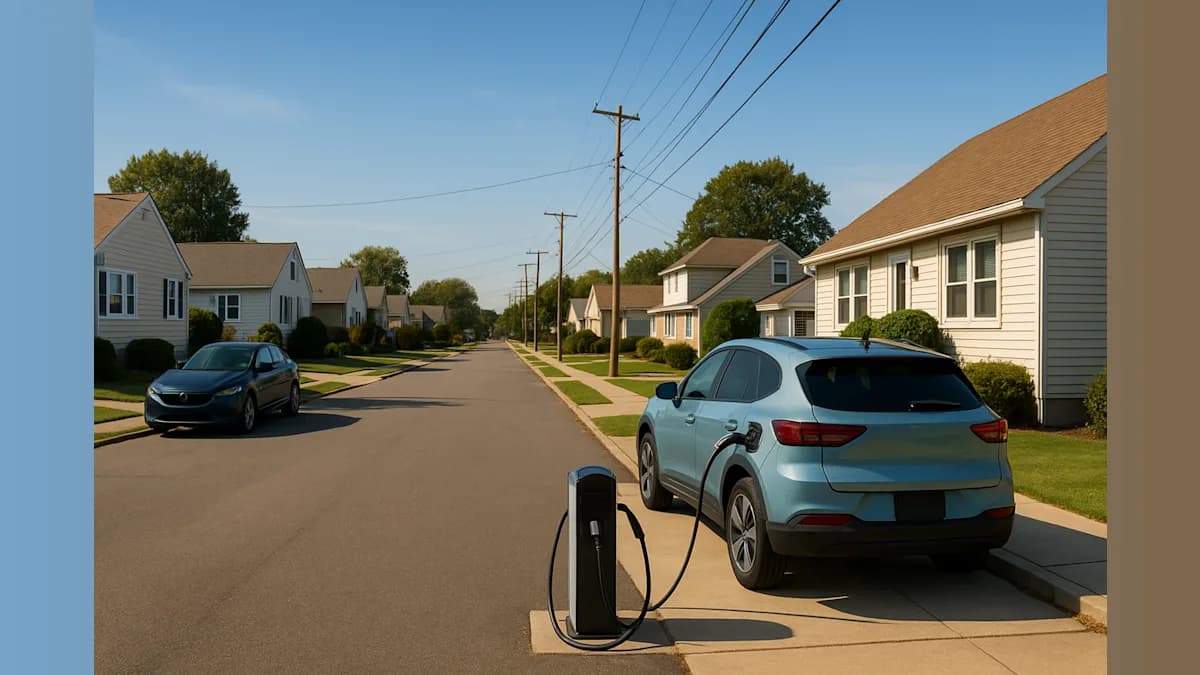
The world's largest automotive market has achieved a remarkable public health milestone, with more than 262,000 premature deaths avoided due to improved air quality resulting from the widespread adoption of electric vehicles, hybrids, and hydrogen-powered cars. The findings underscore the life-saving potential of transitioning transportation systems away from fossil fuels.
China's rapid embrace of what the nation terms "new energy" vehicles has transformed both the automotive landscape and public health outcomes. More than half of all new cars sold in the country last year were either hybrids, electric vehicles, or hydrogen-powered models—a transition that occurred with remarkable speed over just fifteen years.
A comprehensive study published on May 13th in Nature Health analyzed satellite data from 150 Chinese cities to quantify the health benefits of this automotive revolution. Researchers employed pollution data modeling to estimate how many deaths have been prevented by comparing current air quality levels to a counterfactual scenario in which all vehicles remained fossil fuel-powered.
The research identified 262,000 premature deaths from conditions directly linked to vehicle exhaust—including lung cancer, stroke, respiratory diseases, and heart attacks—that have been avoided. An additional 75,000 all-cause deaths estimated to result from air pollution have also been prevented, bringing the total lives saved to approximately 320,000.
These figures carry particular significance given that approximately 4 million people worldwide die annually from air pollution-related causes, with 1 million of those deaths occurring in China alone. The reduction in mortality represents a substantial improvement in public health outcomes for the world's most populous nation.
Traditional fossil fuel vehicles release multiple harmful pollutants through their tailpipes, including fine particulate matter measuring less than 2.5 micrometers (PM2.5), carbon monoxide, and nitrogen dioxide. These microscopic particles and gases penetrate deep into the respiratory system and bloodstream, contributing to chronic and acute health conditions.
The study documented a 23.8 percent reduction in PM2.5 levels and a 30 percent decrease in carbon monoxide emissions attributable to new energy vehicle adoption. These improvements in air quality directly correlate with the reduction in premature deaths observed by researchers.
However, the research also revealed a persistent challenge. Nitrous oxide levels showed minimal reduction, which researchers attributed to the continued dominance of diesel-powered semi trucks in China's freight transportation network. The long-distance routes and heavy cargo loads these vehicles handle make electrification technically challenging, though efforts are underway in other nations to address this sector.
The findings represent the latest success in China's decade-long campaign to combat air pollution. The nation's efforts have produced visible results, with the phenomenon known as "Beijing Blue"—referring to clear skies over the capital—becoming an increasingly common occurrence where smog once dominated.
The study's methodology provides a robust framework for understanding the public health implications of transportation electrification. By utilizing satellite data across 150 cities and comparing current conditions to the recent past when fossil fuel vehicles were universal, researchers established a clear causal relationship between vehicle electrification and mortality reduction.
The research carries implications beyond China's borders. As nations worldwide grapple with air quality challenges and consider policies to accelerate electric vehicle adoption, the Chinese experience offers quantifiable evidence of the public health benefits such transitions can deliver. The scale of lives saved—more than a quarter million—demonstrates that transportation electrification represents not merely an environmental initiative, but a critical public health intervention.
The speed of China's transformation stands as particularly noteworthy. Achieving majority market share for new energy vehicles in just fifteen years required coordinated policy support, infrastructure investment, and consumer acceptance—factors that other nations may study as they pursue similar transitions in their own automotive markets.