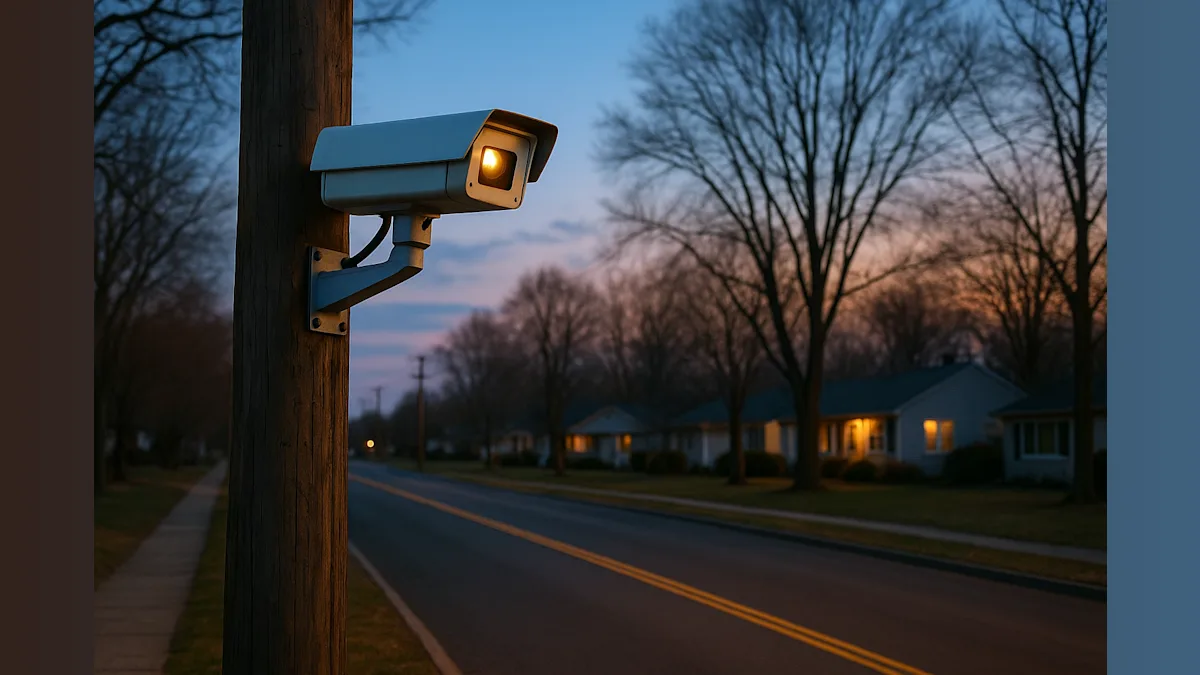
Flock cameras have become the public face of the artificial intelligence surveillance boom, drawing intense media coverage and mounting pushback from residents and civil liberties advocates. But according to reporting by NPR, the tools generating the loudest controversy are not necessarily the ones experts consider most troubling.
While Flock's license plate-reading cameras dominate headlines, police departments across the country are quietly deploying a wide array of other AI-powered surveillance systems that receive far less attention. Experts cited by NPR warn that these lesser-known technologies may present more significant privacy and civil liberties concerns than the cameras that have become a favorite target of public criticism.
The story, reported by Meg Anderson and published on October 8, 2026, highlights a gap between public awareness and the actual surveillance landscape. Flock cameras have absorbed the bulk of community outrage, yet they represent only one piece of a much broader monitoring ecosystem now available to local law enforcement agencies.
For local readers, the implications are direct: the surveillance tools operating in their communities may extend well beyond the cameras they have heard about. Experts suggest that residents and local officials should scrutinize the full range of technologies their police departments acquire, not just the most visible ones.
The reporting underscores a broader question facing municipalities nationwide: as AI-powered surveillance expands, how much do residents actually know about what is watching them? While Flock has become a lightning rod, the quieter adoption of other systems may shape local policing — and privacy — for years to come.