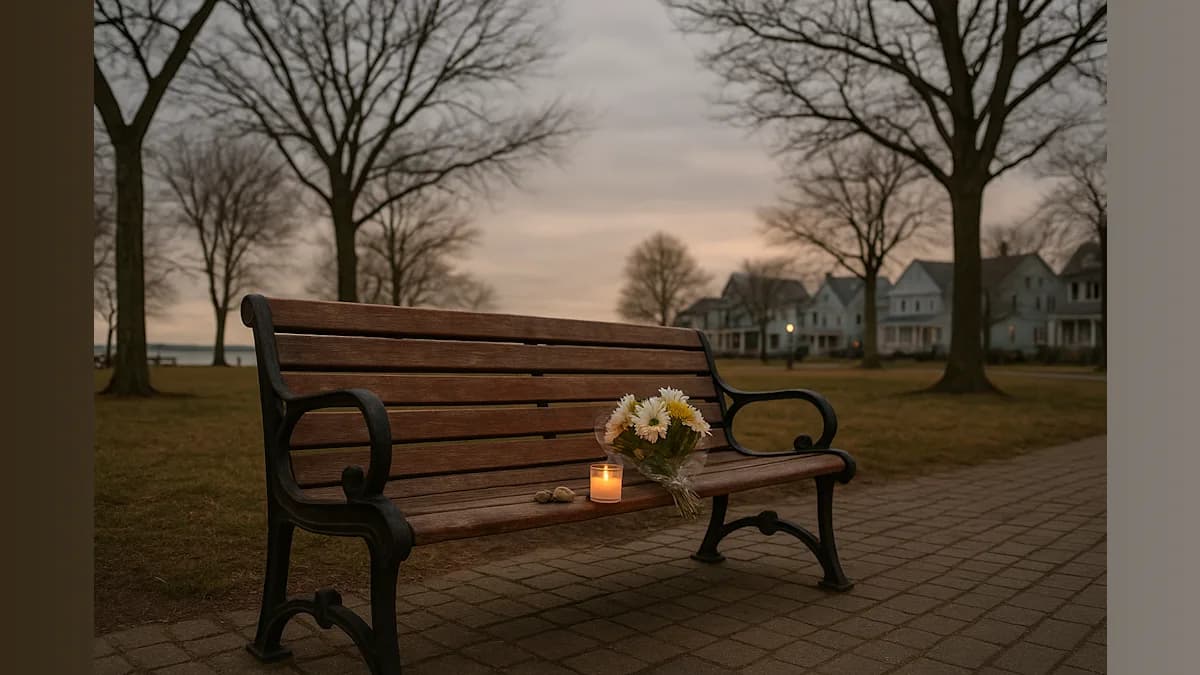
In the wake of profound loss, Maria Breaux faced a choice that would test the limits of human compassion. Her brother David, affectionately known as "the Compassion Guy" in Davis, California, had spent 14 years collecting definitions of compassion from strangers. When he was stabbed to death as he slept on a park bench, Maria discovered a message he had left for her that would reshape her understanding of forgiveness itself.
The message was clear and challenging: "If I'm ever harmed or unable to speak for myself, forgive the perpetrator and help others forgive that person." These words would guide Maria through one of the most difficult journeys a person can undertake—seeking humanity in the individual who had taken her brother's life.
Sitting yards away from her brother's killer in a courtroom, Maria found herself doing something that defied conventional expectations. Rather than surrendering to rage or seeking vengeance, she began looking for the humanity in the young man before her. What she discovered were shared immigrant roots, honors student transcripts, first-generation college attendance, and childhoods shaped by insecurity and trauma—elements that did not excuse the crime but provided a fuller picture of the person who committed it.
Maria's experience illuminates a profound truth about forgiveness: it does not erase grief, but rather coexists with it. The process is neither simple nor instantaneous. As researcher Fred Luskin articulates, learning to "be at peace with the vulnerability inherent in human life" requires sustained, daily practice—a commitment to listening, reflection, and honest reckoning with one's own biases and preconceptions.
This understanding aligns with the perspective offered by civil rights attorney Bryan Stevenson, who reminds us that "Each of us is more than the worst thing we've ever done." Maria's story demonstrates the radical nature of holding this truth, particularly in the rawness of loss. To see beyond a single devastating act and recognize the full complexity of another human being demands extraordinary courage and emotional resilience.
The legacy of David, "the Compassion Guy," lives on through his sister's commitment to the values he championed throughout his life. His 14-year project of collecting compassion definitions from strangers was not merely an intellectual exercise but a lived philosophy—one that would ultimately guide his family through unimaginable pain.
Maria's journey reveals that forgiveness is not a single act of will but an ongoing practice. It requires confronting difficult truths about justice, humanity, and the nature of harm. It means acknowledging that understanding the circumstances that shape a person's actions does not diminish accountability, but rather expands our capacity for compassion without abandoning our commitment to justice.
In a society often driven by retribution and binary thinking about good and evil, Maria Breaux's story offers a different path. It suggests that the most demanding and quietly radical thing a person can do is to honor both the depth of their grief and the complexity of human nature—to hold space for loss while refusing to dehumanize those who cause it. This is the gift her brother left her, and the lesson she now shares with others navigating their own paths through trauma and toward healing.