More than two decades after Gilmore Girls first aired, the show's influence extends far beyond streaming platforms and into hospital maternity wings nationwide. Parents are increasingly choosing Lorelai as a name for their newborn daughters, marking a dramatic resurgence for the moniker made famous by the series' quick-witted protagonist.
According to baby registry platform Babylist, Lorelai ranked 333 out of 1,000 babies born in 2025, representing a leap of 69 places from the previous year. The phonetic variant Lorelei also claimed a spot at 441 out of 1,000. The Social Security Administration, which tracks all registered births in the United States, reports the name has surged 70 percent in just 12 months.
The television series, which premiered in 2000 and ran for seven seasons through 2007, centered on bohemian single mother Lorelai Gilmore, portrayed by Lauren Graham, and her academically gifted daughter Lorelai "Rory" Gilmore, played by Alexis Bledel. Set in the fictional Connecticut town of Stars Hollow, the show chronicled their close relationship while navigating life, romance, and an extraordinary coffee consumption habit at a local diner called Luke's.
Parents on social media have openly credited the series for their naming choices. One mother on Facebook detailed her preparation process, noting she consulted her Gilmore Girls DVD collection from 20 years ago to verify the correct spelling before naming her daughter. Another parent expressed excitement upon discovering a classmate of her daughter shared the name, calling it the first time she had encountered it in real-world use.
The name carries historical roots predating its television fame. Lorelai and Lorelei originated as German names associated with mythological water nymphs of the Rhine River, creatures comparable to the sirens encountered by Odysseus. German poet Heinrich Heine immortalized these figures in his 1824 poem Die Loreley. The name also appeared in popular culture through Marilyn Monroe's character Lorelei Lee in Gentlemen Prefer Blondes.
Babylist notes the name reached an all-time high after initially peaking in the mid-1970s, suggesting the current trend represents a revival rather than a first-time phenomenon. The show's enduring appeal stems partly from its distinctive dialogue, which blended pop culture references with literary allusions, and helped launch the careers of actors including Melissa McCarthy and Jon Hamm.
Netflix's decision to add all 153 episodes to its streaming library introduced Gilmore Girls to Generation Z viewers, particularly during the pandemic when viewership increased substantially in 2020. Graham's performance earned a Golden Globe nomination, and the series developed a devoted following that continues to grow through repeat viewings.
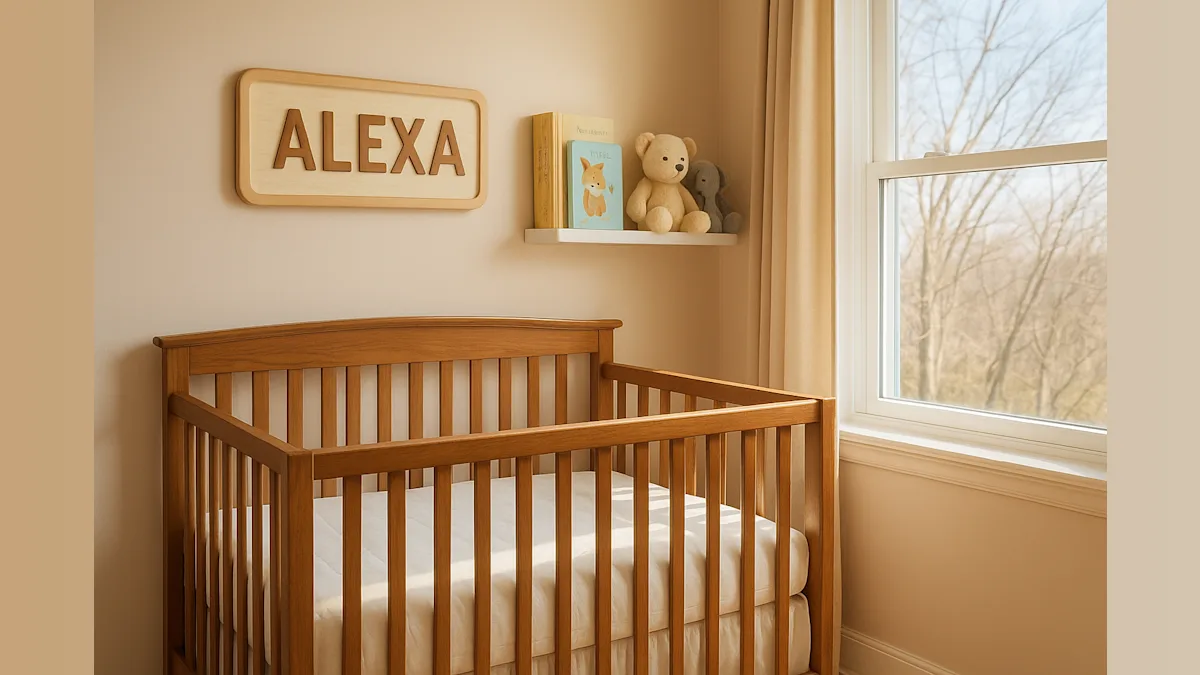
The cultural impact extends to social media platforms, where parents showcase their fandom through themed nurseries and playrooms. TikTok user Hayley Belle Mullins recently posted a tour of her daughter's play area, which features replicas of Stars Hollow locations including the town gazebo and the central diner. Her daughter, age 2, is named Lorelai.
The naming trend reflects how television programming from the early 2000s continues to shape decisions made by millennial and Gen Z parents, demonstrating the lasting influence of characters who resonated with viewers during their formative years. As these parents raise their own children, they are passing along not just a name, but a connection to a fictional world that offered comfort, humor, and memorable storytelling.