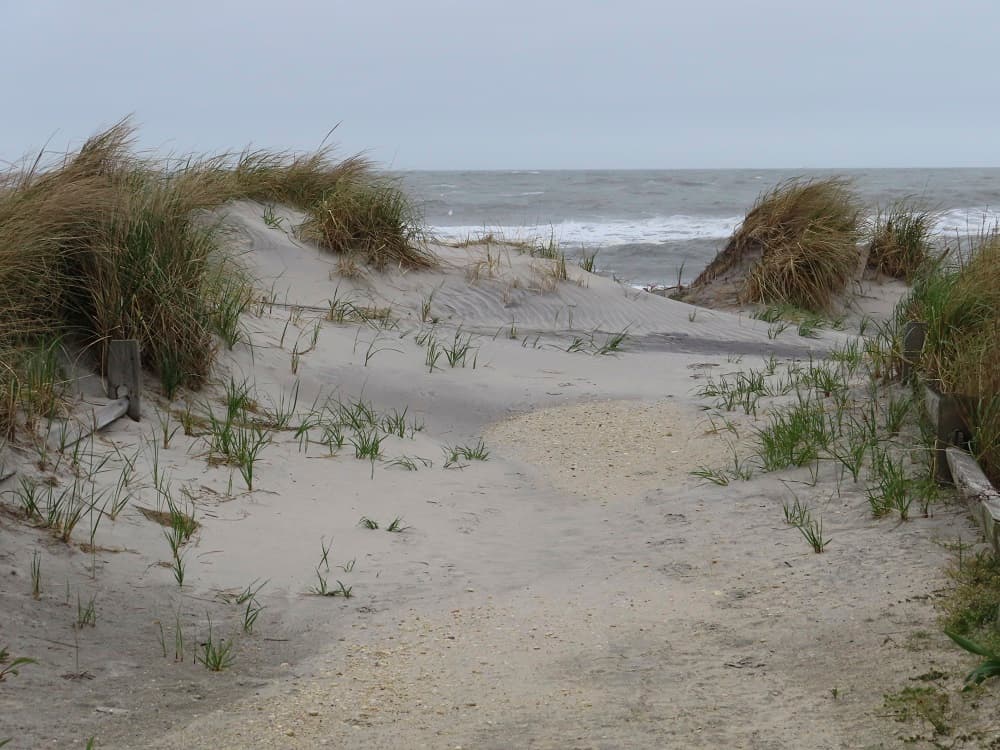
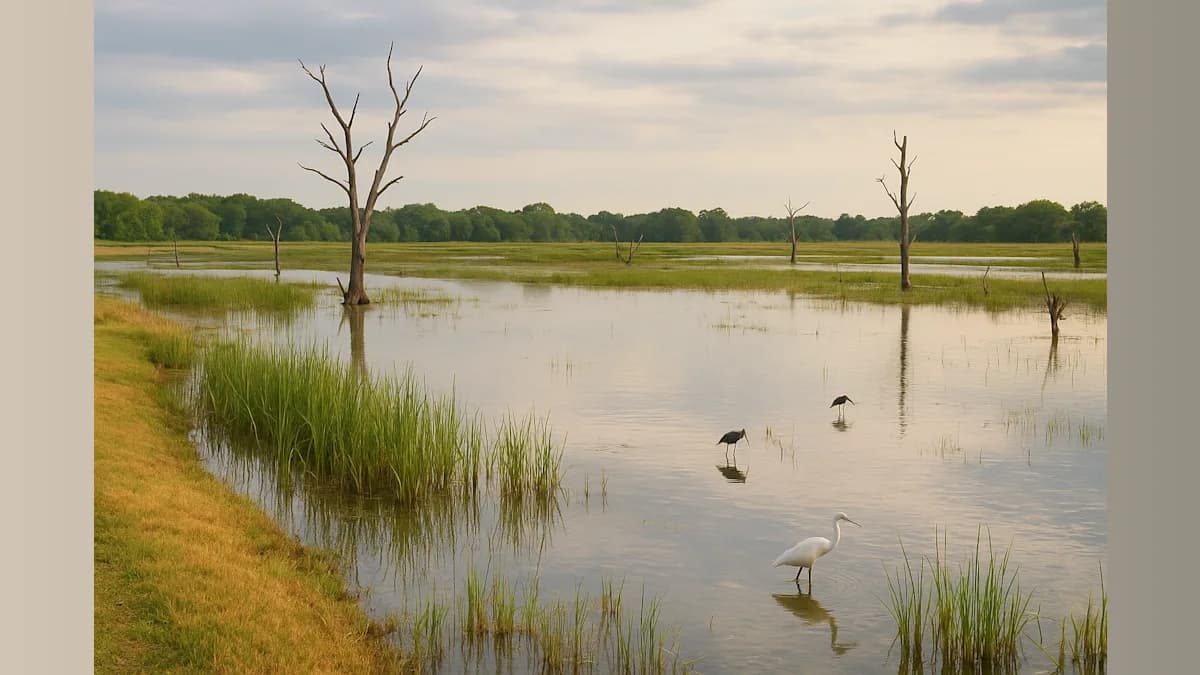
A stretch of English coastline that once catered to golfers is now a functioning wetland ecosystem, and the birds have not waited for a formal opening to move in. National Trust Sandilands, a former golf course in Lincolnshire, was purchased by the National Trust in 2020 and has been reshaped into a nature reserve covering the equivalent of 45 football fields. According to the Good News Network, plovers, terns, avocets, and lapwings were already present on the site before it opened to the public.
The transformation is notable not only for what it created but for what it removed. The land will never again receive a drop of pesticide or public water, a striking departure from the conventional management of golf turf. Golf courses have long drawn criticism as heavy consumers of water, sources of pollution, and biodiversity dead zones, largely because of non-native plant species and pesticide use that harms bees and butterflies.
Yet the same wide-open green spaces that make courses environmentally problematic also attract wildlife, a paradox that made Sandilands a strong candidate for full conversion into a reserve. The National Trust's team has documented the results. Katie Scott, the Sandilands area ranger, told the Good News Network that many of the species seen at the site are endangered or rare and rely on places like it to rest, feed, and breed. Scott noted that even before the project was officially complete, nature had begun to return, with avocets and oystercatchers successfully nesting and breeding this year and little ringed plover chicks recorded on site for a second consecutive year.
The approach is not confined to England. In Aurora, Colorado, the CommonGround Golf Course has adopted a regenerative management model with assistance from the Denver Botanic Gardens. Much of the course's foliage and decorative plantings have been replaced with native wildflowers, and potable water used for irrigation has been swapped for grey water.
Mitch Savage, CommonGround's golf superintendent, described the shift to Colorado Public Radio. "We're using recycled treated wastewater… and it's interesting to note about 33% of Colorado's golf courses utilize recycled wastewater, and that's significantly higher than the national average," Savage told Colorado Public Radio. He added that the practice is a point of pride because golf courses are not taking away valuable drinking water from residents.
The combination of native plants and the elimination of pesticides has produced measurable gains in bird life at CommonGround, where 40 species of birds were recorded on the course in a single day. Golf courses, removed from cars, powerlines, electromagnetic radiation, tall buildings, and city noise, function as effective bird havens, a dynamic the National Trust team has observed at Sandilands as well.
The scale of the opportunity is substantial. USDA data examined by Bloomberg found that 2.24 million acres in the United States are used for golfing, an area larger than Delaware. Applying management changes like those at CommonGround across even a portion of that footprint could meaningfully support local wildlife, suggesting that the Sandilands conversion may serve as a model rather than an outlier.