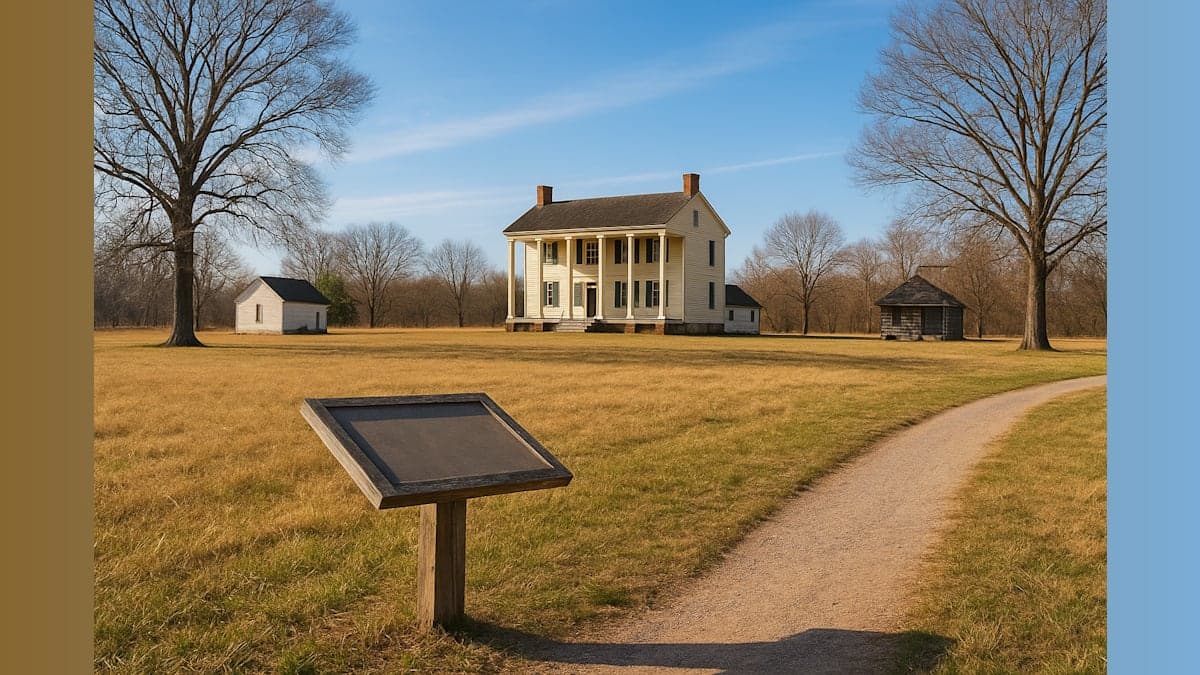
A major overhaul of the visitor experience at Andrew Jackson's plantation marks a turning point in how the historic site presents its past, though advocates say the work remains incomplete.
The plantation tour received a comprehensive revision in 2026, fundamentally altering its focus to highlight the lives and experiences of the 300 people Andrew Jackson enslaved during his lifetime. The seventh president of the United States owned the property, and the site has long drawn visitors interested in his political legacy and role in American history.
The reimagined tour represents a departure from traditional presentations at presidential historic sites, which have often emphasized the achievements and personal lives of the nation's leaders while minimizing or omitting the brutal realities of slavery. By centering the narrative on the enslaved community, the site joins a growing movement among historic properties to confront the full scope of American history.
Despite the changes, critics maintain that the revisions do not go far enough. Advocates are calling for additional reforms that would directly benefit the descendants of those who were enslaved at the plantation. The specific nature of these proposed measures and the identity of those pushing for further action highlight ongoing debates about how historic sites should address their connections to slavery and what obligations they bear to descendant communities.
The tension between acknowledging historical injustices through educational programming and taking concrete steps to address their lasting impacts reflects broader national conversations about reparations, historical memory, and institutional responsibility. Historic sites across the country face similar questions about how to balance preservation, education, and restorative justice.
The plantation's decision to restructure its tour demonstrates an evolving understanding of whose stories deserve prominence at historic sites. Whether these changes will satisfy those calling for deeper reforms remains an open question as the site navigates its complex legacy.