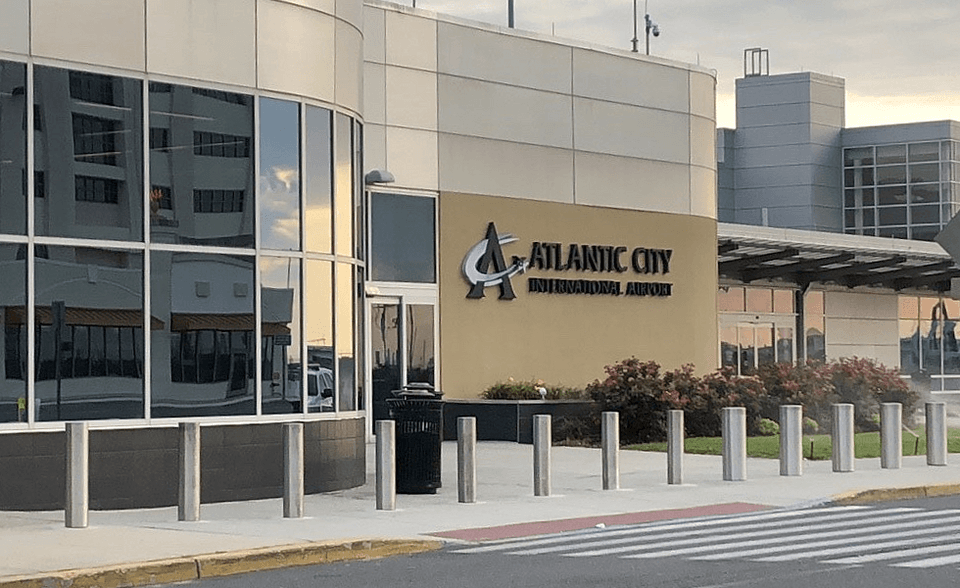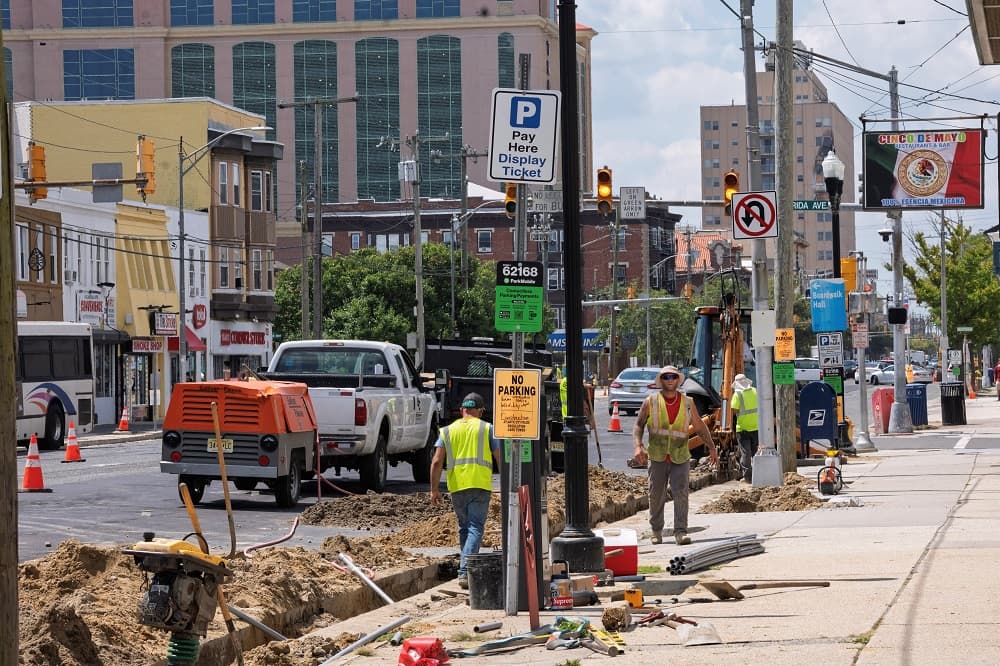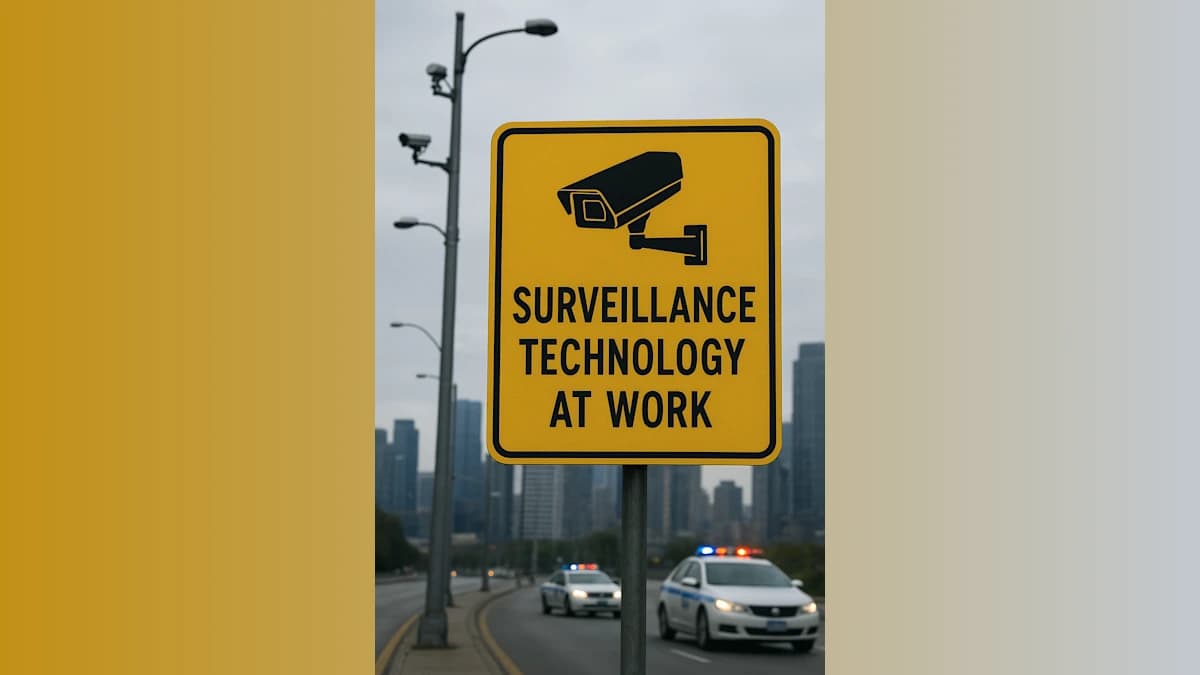
ATLANTIC CITY — Atlantic City Councilman Jesse Kurtz says the city's growing use of cameras, license-plate readers and other law enforcement technology has the potential to make the city safer — but he believes it's time to examine whether adequate safeguards are in place to protect residents' privacy.
Speaking on WOND's Talking with Anne (weekdays 10a-12p), Kurtz said Atlantic City has spent significant time and resources over roughly the past year expanding technology available to police.

The equipment includes technology installed in police vehicles, stationary cameras throughout Atlantic City and license-plate readers positioned at entrances to the city. Kurtz said some police vehicles also have equipment capable of automatically checking license plates on parked vehicles for issues including expired registrations, warrants and stolen vehicles.
The city has been expanding its camera network for several years. Atlantic City announced a $5 million citywide camera project in 2023 that included cameras capable of 360-degree monitoring and optical zoom, with the stated goal of improving public safety in neighborhoods.
Kurtz said he believes Atlantic City has reached the point where officials should evaluate not simply what the technology can do, but how it should be used.
"I think we've reached the point where we need to ask the question, you know, is having some of this technology too much in the sense that it becomes counterproductive to effective law enforcement?" Kurtz said. "And it also becomes a threat to people's constitutional rights and privacy."
Kurtz emphasized that the issue is complicated because surveillance technology can provide investigators with valuable evidence after crimes occur.
His concern centers in part on how much information is collected, how long government agencies retain it and what could eventually be done with that information as artificial intelligence becomes more sophisticated.
"It's one thing to have some extra traffic cameras that are kind of held for a set amount of time, you know, whether that be a week, a month, or whatever it is," Kurtz said.
But Kurtz questioned what happens if footage is retained for years and artificial intelligence eventually allows information from multiple cameras and databases to be combined.
"If there's no limit to how long we're storing this footage by public entities, government entities, and they store it for a year, they store it for two years, they store it for three years, and then AI starts pulling data from this camera to that camera," Kurtz said, government could potentially develop a picture of where individuals routinely go and with whom they interact.
Privacy concerns surrounding automated license-plate readers are increasingly being debated elsewhere in the country as communities grapple with questions involving data retention and sharing. Connecticut, for example, recently enacted restrictions limiting retention and certain sharing of license-plate reader data amid growing public concern over the technology.
Kurtz did not call for Atlantic City to abandon its technology. Instead, he said the city should develop policies that preserve its public-safety benefits while establishing appropriate limits.
"We spent all this money, we got all these grants, we're putting in this equipment, we have all this equipment," Kurtz said. "We need to reflect on it and see how do we adjust policies and such so that we are balancing the concerns of safety with the concerns of privacy and people's rights."
The discussion could become increasingly important as law enforcement technology continues advancing and cities across the country confront questions that did not exist when traditional surveillance cameras were first installed.
For Kurtz, the issue isn't whether Atlantic City should use technology to fight crime. It's determining where the boundaries should be as that technology becomes increasingly powerful.

About the Author
Karen Johnson
With over 30 years of news experience in major markets like Los Angeles, Denver, and Columbus, Karen now covers our area for South Jersey NewsBeat. She also brings her articulate and conversational news delivery to WOND radio listeners every weekday. Her background includes work with the NBC Radio Network, and she thrives in fast-paced news environments.