Proposal advanced by Assembly committee would mark a significant change from New Jersey's voluntary gambling self-exclusion system
TRENTON — A spouse or family member who watches a loved one gamble away household money currently can't put that person on New Jersey's gambling self-exclusion list.
A bill moving through the state Legislature could change that.
The Assembly Tourism, Gaming and the Arts Committee unanimously advanced legislation Monday that would allow a third party under specified circumstances to ask that another person be excluded from gambling.
The proposal, A5210, would also require gamblers seeking removal from a self-exclusion list to first watch educational and counseling videos addressing problem gambling.
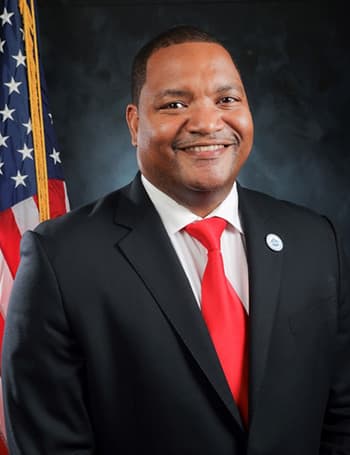
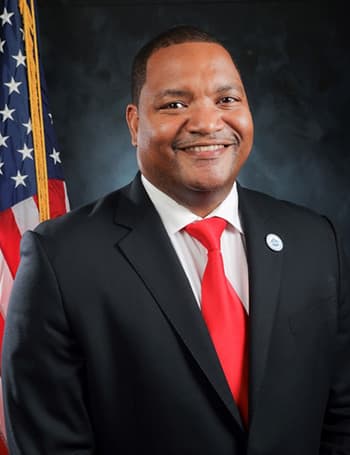
The bill was introduced in June by Assemblyman William Moen Jr., D-Camden and Gloucester.
Casino analyst Anthony Marino discussed the proposal Thursday on The Don Williams Show on News Talk 1400 & 92.3 WOND.
Marino said he believes lawmakers are increasingly focused on the financial damage problem gambling can cause not just to gamblers, but to their families.
“They have to keep them on the exclusion list, and people have to step in and take active, proactive measures to help their family members get out of debt,” Marino said.
How the System Works Now
New Jersey's existing program is built around voluntary self-exclusion.
A gambler can register to prohibit himself or herself from participating in specified gambling activity in New Jersey.
The DGE currently offers self-exclusion covering internet gaming and sports wagering as well as casino-property gambling. Depending upon the program selected, participants can choose specified exclusion periods.
Once the minimum one- or five-year exclusion period selected by the participant expires, that person may request removal from the list.
What a spouse or relative generally cannot do under the current voluntary system is simply put another adult onto the self-exclusion list.
A5210 would create a process allowing certain third parties to initiate an exclusion request.
A Relative Couldn't Simply Ban Someone
The proposed law would not give a spouse or family member unilateral power to stop another person from gambling.
Instead, it establishes circumstances under which a third party could request an exclusion.
The bill allows a request based on specified financial relationships, including situations in which the person making the request has sole or joint financial responsibility for money that could be used for gambling.
Other circumstances spelled out in the legislation address legal dependency and financial obligations.
The proposal also contains procedural protections for the person who could be excluded, including notice and an opportunity for a hearing before an exclusion is imposed.
That distinction is important: the family member would initiate a process, not personally impose the gambling ban.
Another Change for People Trying to Get Off the List
A5210 would also change what happens when certain gamblers seek to return to gambling after their self-exclusion period expires.
Before removal from the list, they would have to watch educational and counseling videos.
Those materials would address gambling risks and problem-gambling issues, with the Division of Gaming Enforcement and New Jersey Racing Commission responsible for regulations implementing the requirement if the legislation becomes law.
Currently, DGE allows participants to request removal once their selected minimum exclusion period has expired.
Bill Moves Forward
A5210 was among several gambling-related measures considered Monday by the Assembly Tourism, Gaming and the Arts Committee.
The seven-member committee advanced it unanimously. The Sports Betting Alliance opposed the proposal but did not testify at the hearing, according to CDC Gaming.
The committee also unanimously approved a separate resolution, AR150, urging restrictions on targeted gambling advertising aimed at people showing signs of problem gambling or addiction. That resolution was prompted by concerns over personalized gambling marketing to vulnerable customers.
A5210 has not become law. Committee approval is one step in the legislative process, and the measure would require further legislative action before reaching the governor.
Online Gambling Changes the Problem-Gambling Landscape
The debate comes as gambling has become dramatically easier to access in New Jersey.
A gambler no longer has to drive to Atlantic City, walk into a casino or even leave home.
During the first six months of 2026 alone, New Jersey casinos and their online partners reported $1.59 billion in internet gaming win, up 15% from the same period in 2025.
Marino also expressed concern Thursday about the growth of gambling products available through phones and computers, particularly their accessibility to younger people.
New Jersey's self-exclusion portal emphasizes that joining the program is more than simply closing an online gambling account. A participant is prohibiting covered gambling activity throughout the state for the selected period.
A5210 would represent a significant philosophical change to that system by creating circumstances in which someone financially affected by another person's gambling could ask the state to intervene.
For families dealing with severe gambling problems, that could give them an option they don't currently have.
Whether New Jersey lawmakers ultimately approve that change is now up to the Legislature.
Anthony Marino discussed the proposed gambling legislation Thursday on The Don Williams Show, heard Monday through Friday from 6 to 10 a.m. on News Talk 1400 & 92.3 WOND.

About the Author
Scott Stephens
Scott has been an on-air personality, producer and newscaster for 30+ years. He has been a mainstay in the South Jersey Community and on the air across many different area stations. Scott can currently be heard on Kool 98.3 and News Talk 1400 & 92.3 WOND.