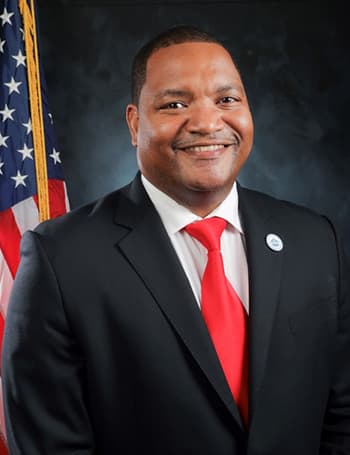
New York City Mayor Zohran Mamdani has ignited a firestorm of controversy by declaring he is investigating potential legal avenues to arrest Israeli Prime Minister Benjamin Netanyahu should he visit the city, characterizing the Israeli leader as a war criminal.
During a Friday interview, Mamdani told The New York Times that Netanyahu "belongs in The Hague," referencing the International Criminal Court where the Israeli prime minister faces an outstanding arrest warrant. The court has charged Netanyahu with war crimes and crimes against humanity related to military operations in the Gaza Strip.
The mayor revealed he has initiated discussions with the city's law department to determine whether any legal framework exists that would permit municipal authorities to detain a visiting foreign head of state. The inquiry raises complex questions about the extent of local jurisdiction over international government officials.
The timing of Mamdani's statements carries particular significance given the upcoming United Nations General Assembly session scheduled for September. Netanyahu could potentially travel to New York City for the gathering, which would test whether the mayor's declarations translate into concrete action.
U.S. Ambassador to the United Nations Mike Waltz swiftly condemned the mayor's position, dismissing the remarks as "pure political theater," according to TMZ.com. Waltz cited the U.N. Headquarters Agreement, a binding international treaty that provides visiting heads of government with protection from arrest and grants them immunity from local prosecution.
The ambassador's invocation of the headquarters agreement suggests substantial legal obstacles stand in the way of any attempted arrest. The treaty, which governs the relationship between the United Nations and the United States, was designed specifically to ensure that international diplomacy could proceed without interference from local authorities.
Mamdani's position represents an unprecedented stance for a New York City mayor regarding a visiting world leader. The declaration comes amid ongoing international debate over the conduct of military operations in Gaza and the role of the International Criminal Court in adjudicating allegations of war crimes.
Legal experts note that while the International Criminal Court has issued warrants for Netanyahu's arrest, the enforcement of such warrants typically falls to national governments rather than municipal authorities. The United States is not a party to the Rome Statute that established the court, further complicating any potential enforcement action on American soil.
The September United Nations General Assembly will likely serve as a critical juncture for determining whether Mamdani's statements were symbolic political messaging or the prelude to an actual confrontation between city authorities and international diplomatic protocols.

About the Author
Ava Hart
Ava Hart is a pop culture junkie and loves to share what's happening in Hollywood and what trends are taking the world by storm.