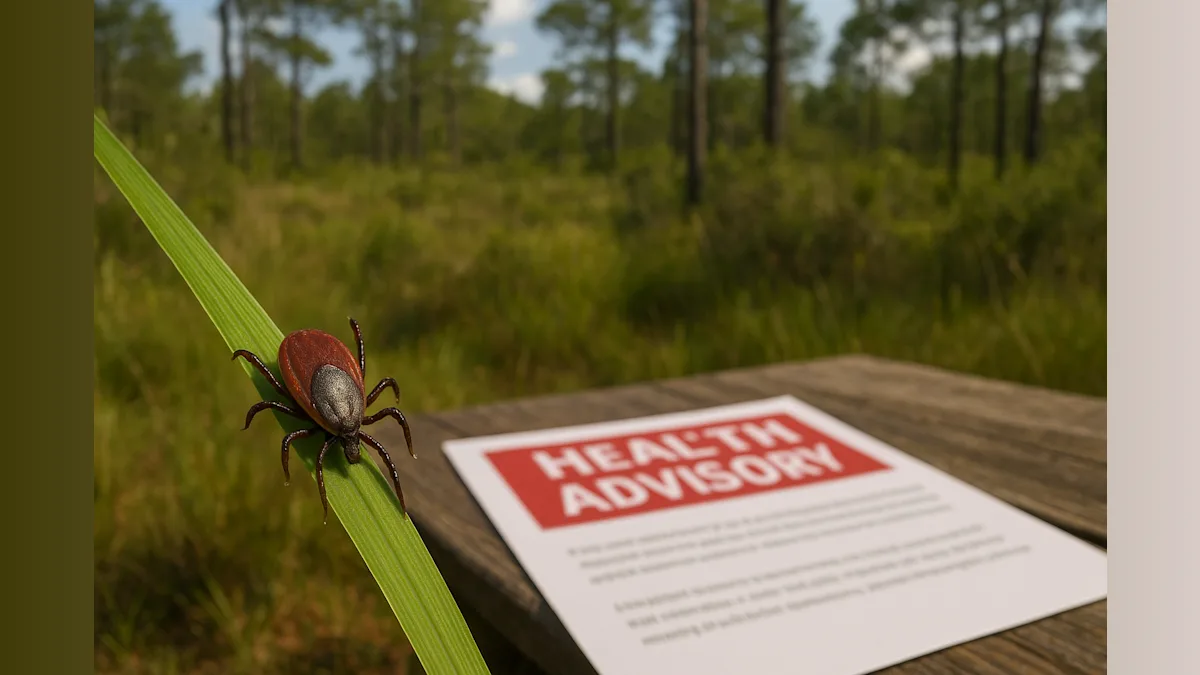
A rare bacterial illness known as rabbit fever is drawing attention across our region after health officials in Suffolk County, New York identified three probable cases this year, including one involving a 9-year-old child who fell ill following a tick bite.
While tularemia remains uncommon compared to Lyme disease and other tick-borne infections, the New Jersey Department of Health confirms our state sees an average of two to three cases each year. Atlantic County reported one tick-linked case in 2025, and the state documented two cases in 2024, both associated with known tick exposure.
The recent Long Island cases have sparked a surge in online searches for rabbit fever symptoms and information about the disease, prompting health officials to remind residents about prevention and warning signs during what remains peak tick season.
Understanding the Disease
Tularemia earns its common name from the animals most vulnerable to infection: rabbits, hares, and rodents. The bacteria Francisella tularensis proves especially deadly to rabbits, which can die during outbreaks. Infected ticks may feed on these animals before moving on to human hosts.
Despite the name, people don't typically contract the illness through rabbit bites. Instead, transmission occurs through several pathways: tick bites, deer fly bites, direct contact with infected animals, drinking contaminated water, or inhaling contaminated dust while mowing or doing yard work.
In the Northeast, the lone star tick and American dog tick are among the species most frequently responsible for spreading the disease. The New Jersey Department of Health notes that tularemia occurs most often between May and September, when our exposure to ticks and deer flies increases.
Recognizing the Symptoms
The severity of rabbit fever varies widely depending on how someone becomes infected, ranging from mild illness to life-threatening complications. All forms share one common feature: fever, which can climb as high as 104°F.
Additional symptoms include chills, fatigue, headache, muscle aches, joint pain, swollen lymph nodes, dry cough, and diarrhea. More severe cases can progress to chest pain, pneumonia, and difficulty breathing.
The most common form, ulceroglandular tularemia, typically develops after a tick or deer fly bite or following contact with an infected animal. This variant produces fever, swollen lymph nodes, and a distinctive skin ulcer at the site where bacteria entered the body.
Treatment and Prevention
Health officials emphasize that antibiotics can successfully treat tularemia in most cases, but early diagnosis matters. Severe infections can become life-threatening without prompt medical attention.
Currently, no widely available tularemia vaccine exists for the general public in the United States, making prevention strategies crucial for our community.
The CDC and New Jersey Department of Health recommend several protective measures: use EPA-registered insect repellent when outdoors, wear long sleeves and pants in wooded or grassy areas, and conduct thorough tick checks after spending time outside.
Additional precautions include avoiding contact with sick or dead wild animals, wearing gloves when handling wild game, steering clear of dead animals or carcasses while mowing, and drinking only treated water when outdoors.
While rabbit fever remains far less common than Lyme disease and other tick-borne illnesses in our state, the recent cases serve as a reminder to stay vigilant during these peak months for tick activity.

About the Author
Peter Killeen
A 25-year radio news veteran, Peter covers South Jersey for NewsTalk 1400 & 92.3 WOND radio. Known for his concise and impactful delivery, he ensures listeners and readers stay informed without unnecessary filler.