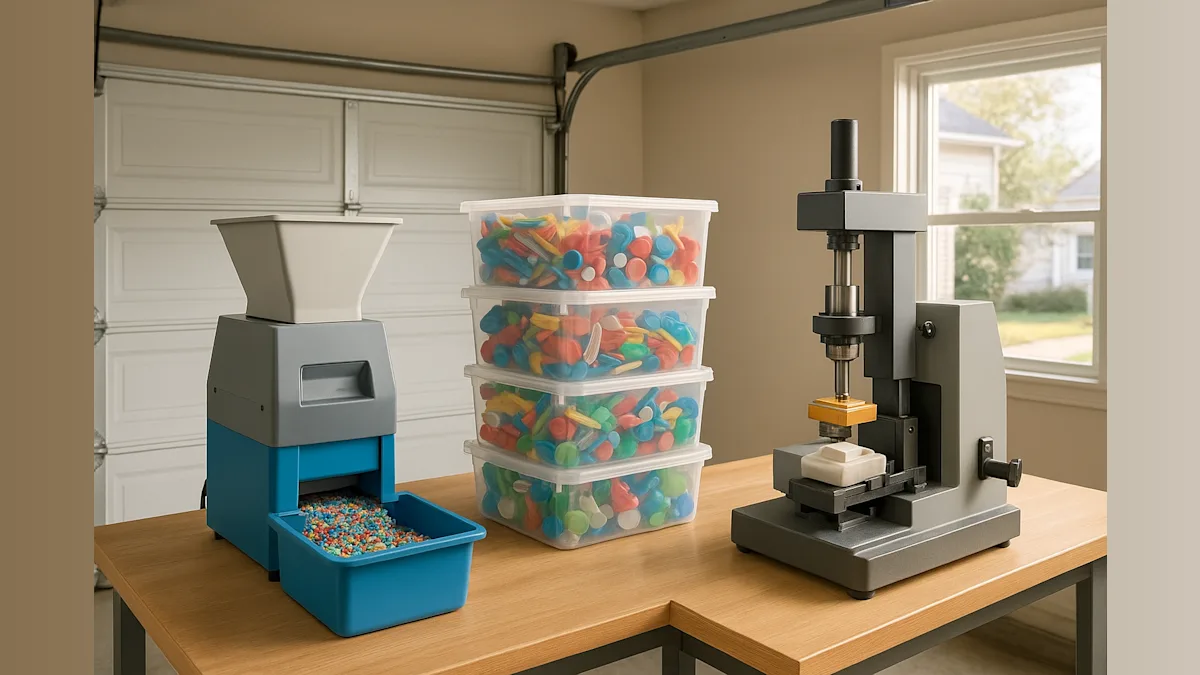
In the central California city of San Carlos, a family is taking on a stubborn category of plastic waste. Nick Schick and his parents, David and Andrea, operate a recycling effort that focuses entirely on thermoplastics — hard-to-recycle plastic polymers that do not fit into standard curbside programs.
Unlike water bottles and tote bags, thermoplastics lack conventional recycling methods. That distinction matters because these materials often end up in landfills, where they can persist and break down in the environment over time. By intervening before that happens, the Schick family aims to sequester the plastic and turn it into new products.
The operation is a family affair: Nick Schick works alongside his parents, David and Andrea, and together they concentrate exclusively on products made from these difficult polymers. Their approach highlights a growing niche in recycling — one that targets items that traditional systems cannot process.
For local readers, the story underscores a broader challenge: many plastics in everyday use are not designed for easy recycling. The Schick family's work in San Carlos offers one example of how small-scale, specialized efforts can keep hard-to-recycle materials out of landfills and give them a second life.