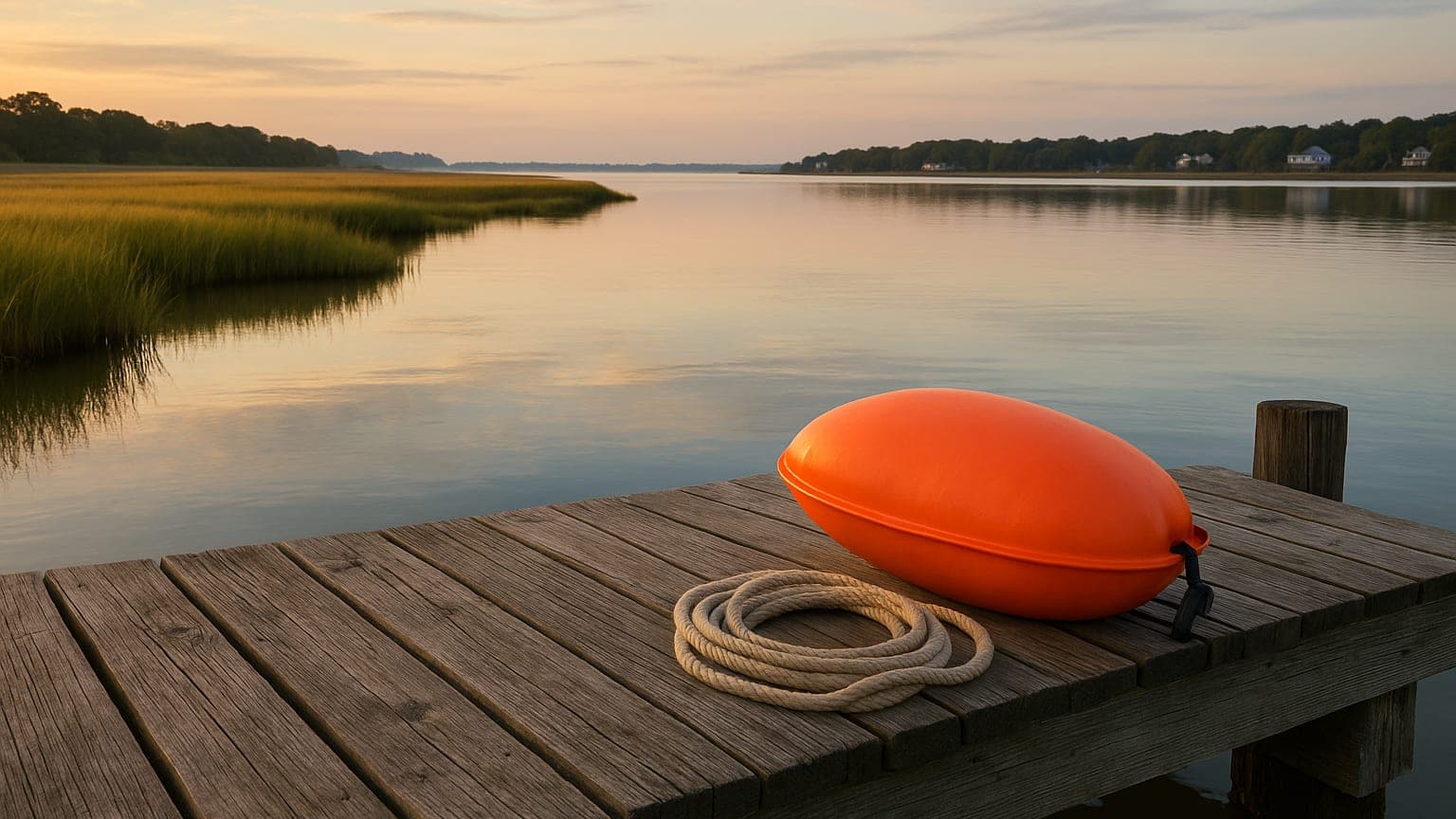
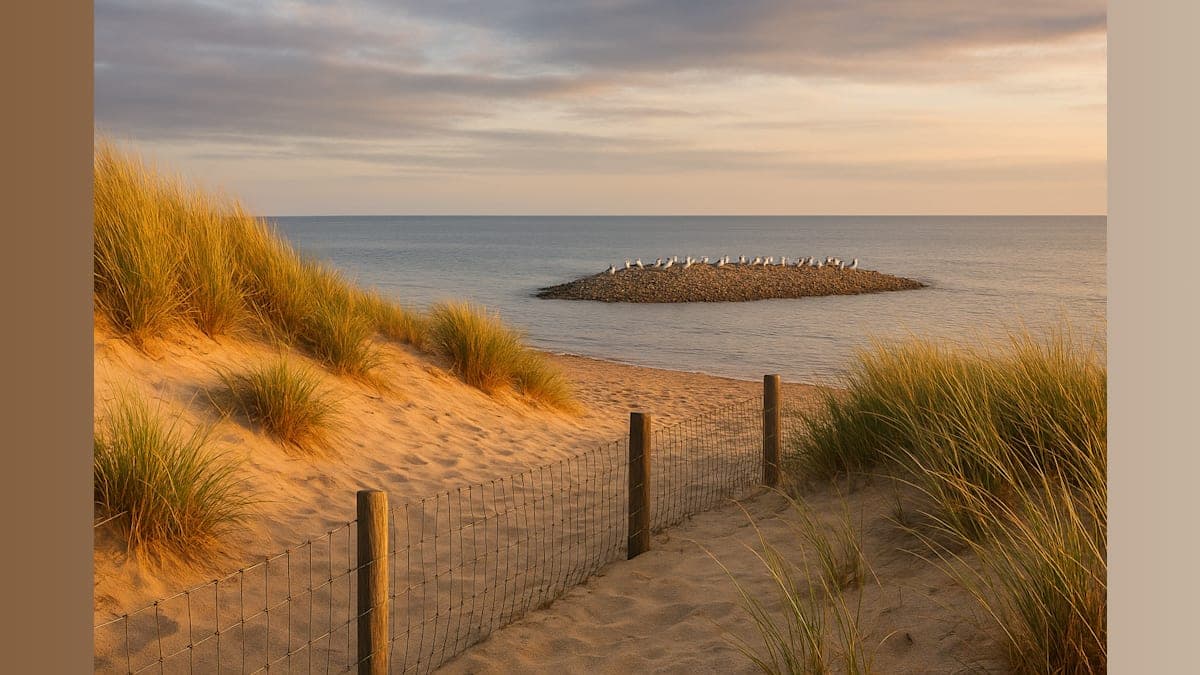
A breeding colony of sandwich terns on England's south coast has staged an extraordinary comeback, expanding from zero to 756 pairs in just three years after avian flu destroyed the previous population, according to Good News Network.
The resurgence at Pagham Harbour, situated on Britain's Channel coastline between Brighton and Southampton, extends beyond the terns. Little terns, ringed plovers, black-headed gulls, and oystercatchers have also recorded population gains, the result of conservation measures implemented by the Royal Society for the Protection of Birds.
Wez Smith, senior project manager for the RSPB, told Good News Network that highly pathogenic avian influenza struck sandwich terns, black-headed gulls, and Mediterranean gulls severely in 2022, causing the birds to abandon their breeding colony at Pagham Harbour.
"It's taken several years of dedicated conservation action, but the situation began to 'tern' around last year, and the site is now thriving with record-breaking populations using it," Smith told Good News Network.
The Pagham colony represents one component of a much larger effort. Conservationists have focused on a 128,000-acre expanse of coastal habitat, where the RSPB and volunteers have installed fencing designed to keep predators away from birds that nest on the ground. Teams also monitor for rats and clear selected vegetation to create conditions that encourage nesting.
The Guardian reported that volunteers and rangers conduct patrols to educate visitors and residents about how easily ground-nesting birds can be disturbed, and that designated areas for dog exercise have been established at a distance from the nesting sites.
These measures fall under the Solent Seascape project, an initiative aimed at restoring a range of habitats throughout the Solent, the varied estuary system that separates the Isle of Wight from mainland England.
The recovery illustrates how sustained, targeted conservation can reverse sudden ecological losses. For coastal communities, thriving seabird populations can signal healthier marine ecosystems and bolster local wildlife tourism, though the gains remain dependent on continued monitoring and protection of vulnerable nesting grounds.