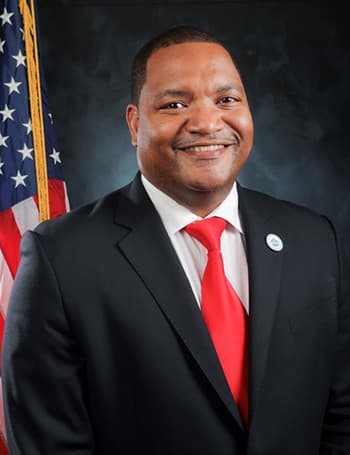

The possibility of major college conferences breaking away from the current NCAA structure has moved from speculation to active discussion, according to Southeastern Conference Commissioner Greg Sankey.
Sankey acknowledged ongoing dialogue with federal lawmakers about the Protect College Sports Act, a piece of proposed legislation that could reshape the landscape of collegiate athletics. However, the commissioner declined to specify which modifications to the bill would be necessary to secure SEC support.
The conversations represent a critical juncture for college sports governance. The Protect College Sports Act has generated significant debate among athletic conferences, university administrators, and lawmakers as they grapple with fundamental questions about athlete compensation, name-image-likeness rights, and the future structure of collegiate competition.
The SEC, one of the most powerful and financially successful conferences in college athletics, wields considerable influence in these discussions. Any decision by the conference to pursue an independent path would likely trigger seismic shifts across the entire collegiate sports ecosystem, potentially prompting other major conferences to follow suit.
Sankey's measured response suggests the conference is carefully weighing its options while maintaining pressure on legislators to craft legislation that addresses the concerns of major athletic programs. The commissioner's willingness to discuss breakaway scenarios publicly indicates these are not merely theoretical considerations but genuine strategic alternatives under evaluation.
The stakes extend beyond conference politics. Federal legislation could establish uniform national standards for athlete compensation and benefits, potentially preempting the patchwork of state laws that currently govern name-image-likeness arrangements. How Congress crafts these rules will determine whether major conferences remain within the existing framework or chart a new course.
As negotiations continue, the college sports community awaits clarity on whether compromise can be reached or whether the traditional structure of collegiate athletics faces fundamental reorganization.