The 25th anniversary of the September 11 attacks has prompted renewed reflection on how families process profound loss across decades. For Lori Guadagno, whose brother Richard died aboard United Flight 93, the passage of time has brought an unexpected transformation in how she relates to the western Pennsylvania field where the aircraft went down.
Richard Guadagno had visited his sister in Vermont just days before the attacks, then traveled with her to New Jersey for their grandmother's 100th birthday celebration. Their final moments together involved a playful fight over eggplant parmesan in their mother's kitchen. The next morning, Lori departed early for her drive home, catching a last glimpse of her younger brother standing in the window as she pulled away.
On September 11, 2001, Richard boarded United Flight 93 in Newark for a nonstop flight to San Francisco. When passengers and crew attempted to retake control of the hijacked aircraft, the plane crashed in Shanksville, Pennsylvania, killing all aboard but preventing the terrorists from reaching their intended target.
The immediate aftermath left Lori consumed by anger and isolation. When her parents visited the crash site that November, she refused to accompany them. The televised images of burning trees and scorched earth seemed incompatible with her brother's love of nature, cultivated since childhood when he collected tadpoles and followed neighborhood gardeners tending their tomato plants.
"I didn't want to be present in all of the devastation that was there," Lori told NPR in a radio documentary produced ahead of the 20th anniversary.
By the first anniversary, family obligation brought her to Shanksville. After sitting through the memorial ceremony, she walked alone toward the crash site, now covered with grass and flowers rather than the devastation she had imagined. In a moment she describes as pivotal, she looked skyward and demanded a sign from her brother. Taking one step forward, she discovered a perfectly preserved bird nest at her feet.
"And I am running in the field with the nest screaming, Mom, Dad, where are you? Where - it's Rich. It's Rich," she recounted to NPR.
Other discoveries followed. An FBI agent investigating the Pentagon attacks spent his first day off riding his motorcycle to Shanksville. Walking through a hemlock grove where Flight 93 debris had scattered, he spotted Richard's fish and wildlife badge hanging from a tree. The location suggested Richard had been near the cockpit during impact, likely among those who fought the hijackers.
"I think it was something we already knew, but it was that little extra piece that just confirmed it," Lori said, speaking to NPR.
In 2002, authorities delivered a white three-ring binder to Lori's home containing photographs of unassociated personal effects from Flight 93. The contents listed mundane travel items: bathing suits, hairbands, belts, shoes. Despite knowing what Richard had packed, including a Pearl Jam disc and running shorts, Lori could identify only one item—a hemp wallet he had purchased during his Vermont visit, still containing receipts from meals they had shared.
These relics remain stored away in her Florida home, alongside the preserved nest and Richard's handmade guitars and brown fish and wildlife uniform. Handling them continues to surface pain even after 25 years.
"The pain never goes away. Obviously, I've never had closure in this story. I never will. But I found a place to put it so that I can lead a happy, productive life," she told NPR.
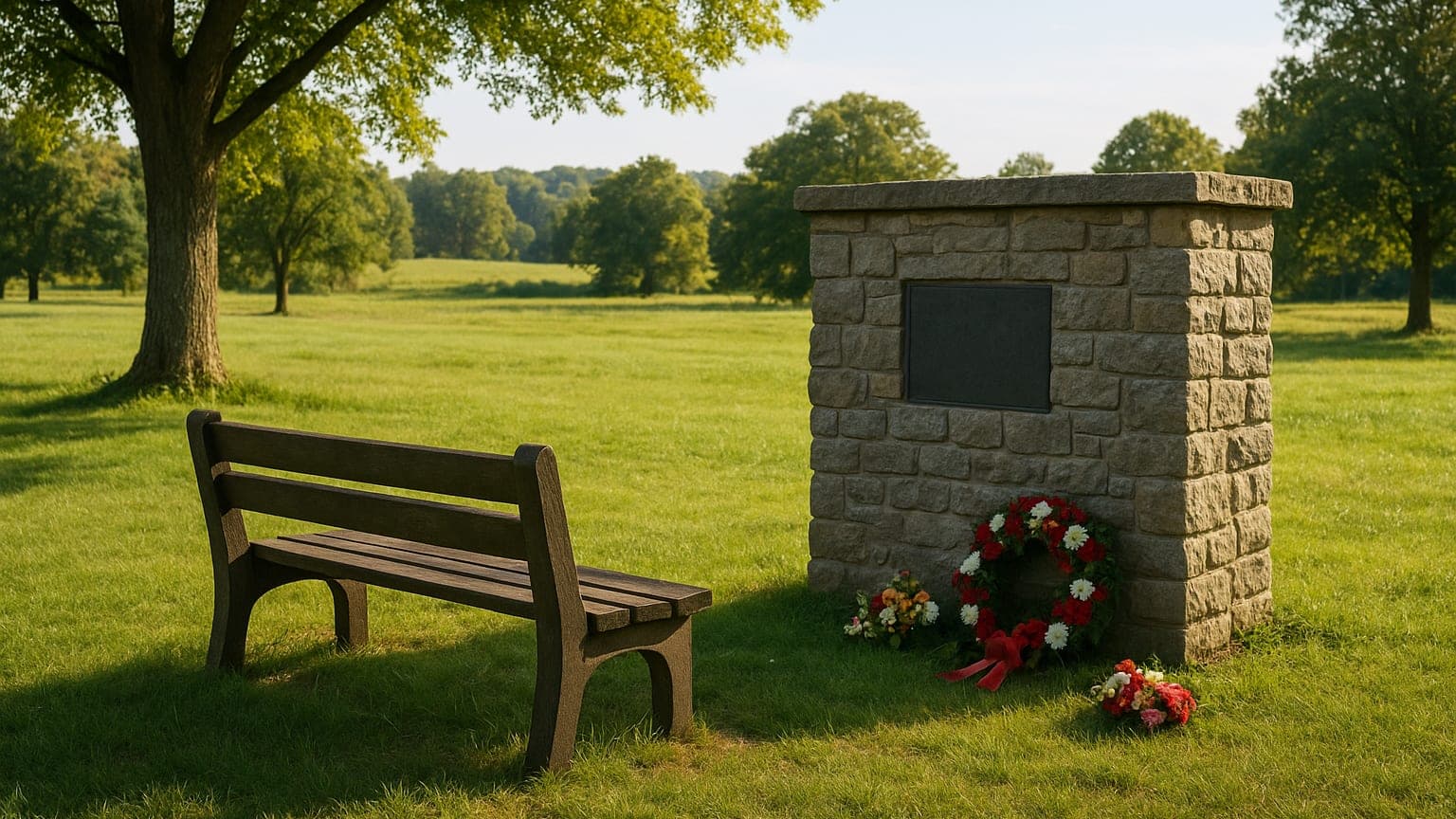
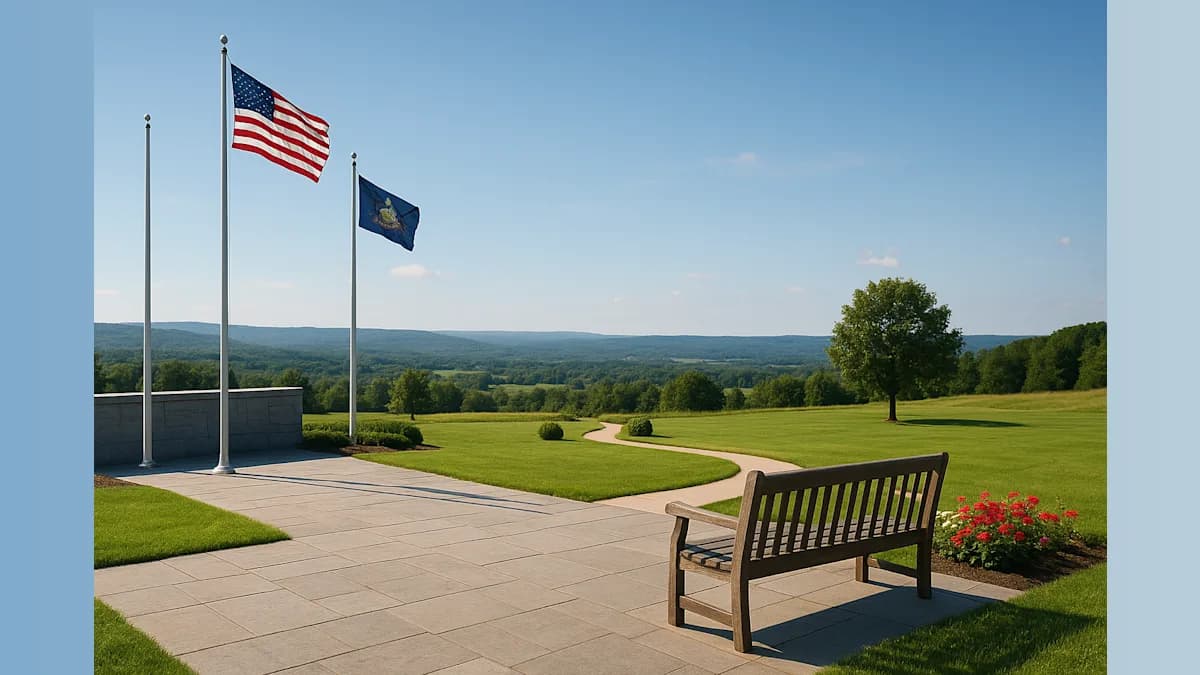
That place, paradoxically, has become the crash site itself. The memorial now features wildflowers and natural landscaping that family members have embraced as a space for healing rather than trauma. Lori visits when possible, arriving days before anniversary ceremonies to experience the site alone.
"I know how the wind feels. I know how that land smells. I know what certain tree bark feels like to touch. I know what the soil feels like in my fingertips," she said, speaking to NPR.
In a conversation earlier this week, Lori acknowledged that apprehension still precedes each visit. Yet upon arrival, she experiences the calm and connection she has come to associate with the location. The 25-year milestone feels weightier than the 20th anniversary, she noted—the enormity of a quarter-century underscoring both how much time has passed and how Richard's life ended that September morning.
Despite wishing her brother had not been part of the September 11 attacks, Lori has reached a conclusion about the Pennsylvania field where his life ended. The natural setting, she believes, suits his soul—a final resting place that honors the man who spent his childhood captivated by the natural world.