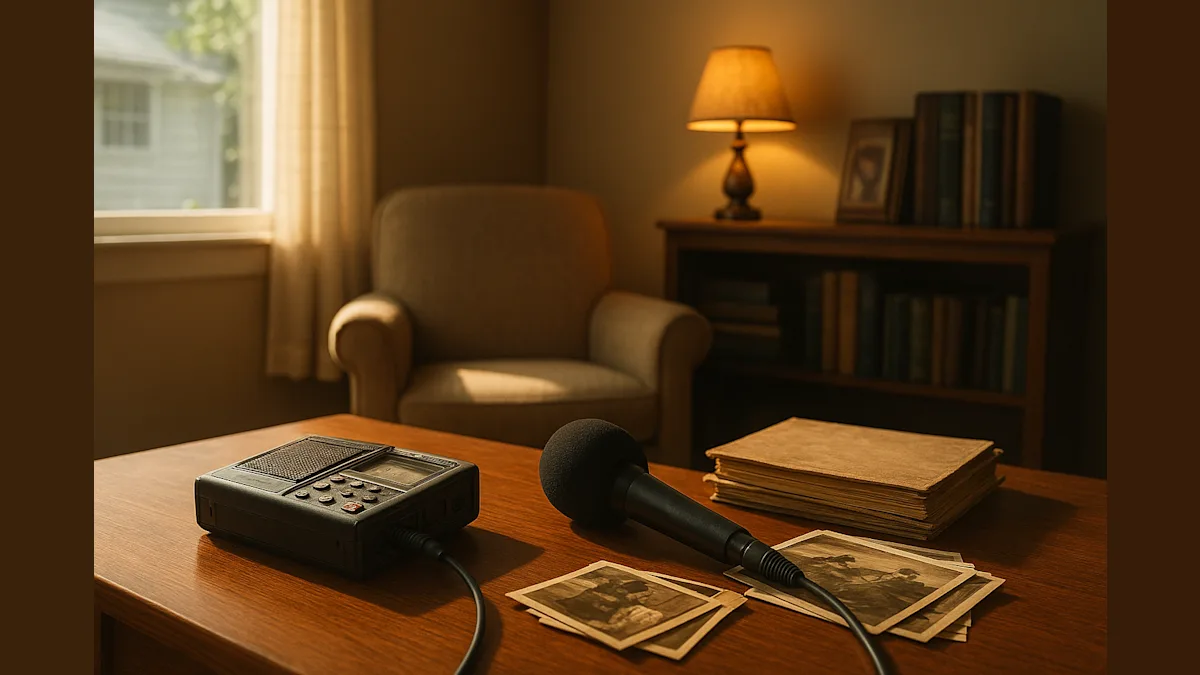
When a writer relocated to a small Vermont town and started assisting elders in documenting their life stories, the result went well beyond a local history project. The work offered evidence of something researchers now confirm: storytelling functions as a biological act of human bonding that physically synchronizes the brains of both the person speaking and the person listening.
Oral historian Esther Ehrlich described falling in love with every person she interviewed — including a medical malpractice insurance executive she had initially dreaded meeting. Ehrlich observed that "oral histories, at their most basic, include all the stuff that makes us people, including our desire to be seen, heard, and understood," as reported by DailyGood.
The impact extends to younger audiences as well. Holocaust survivor Helen Marks has witnessed thousands of students respond in ways that no textbook could achieve.
Hospice volunteer Neal Allen found that assisting the dying in recovering long-buried memories was not sorrowful work but rather "quite extraordinary," according to DailyGood.
The underlying message of these efforts is that any life, when recounted with honesty, becomes a gift — both for the audience and for the individual who finds the courage to share it.