ATLANTIC CITY — Suicide death rates in Atlantic and Cape May counties have significantly exceeded the New Jersey statewide rate in recent years, and one of the nation's leading suicide-prevention advocates says recognizing changes in someone's behavior — and being willing to start a difficult conversation — can help save a life.
Atlantic County averaged 34 suicide deaths per year from 2019 through 2023, with an age-adjusted suicide death rate of 11.7 per 100,000 people, according to federal mortality data compiled by the National Institute on Minority Health and Health Disparities.
Cape May County averaged 12 suicide deaths annually, with a rate of 12.4 per 100,000.
Both were well above New Jersey's statewide rate of 7.3 per 100,000 during the same five-year period. Atlantic County's suicide death rate also showed a statistically significant rising trend during that period, according to the federal data.
Against that local backdrop, Dr. Robert Gebbia, CEO of the American Foundation for Suicide Prevention, appeared Tuesday morning on The Don Williams Show on WOND to discuss suicide warning signs, prevention and an upcoming Out of the Darkness Walk in Philadelphia.
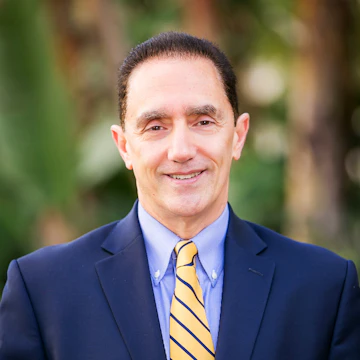
Gebbia said one of the most important things friends and family members can do is pay attention when someone they know suddenly doesn't seem like themselves.
“The important thing to look for in our friends, family members, people around us is changes in the person's behavior and mood,” Gebbia said. “When people are struggling with suicide thoughts, they're not feeling themselves psychologically, mentally. Often they withdraw and you can notice the difference.”
Watch for Changes in Behavior
Gebbia said warning signs don't necessarily look the same for everyone.
Someone may stop interacting with people the way they normally would. Their sleeping habits may change dramatically. They may begin using alcohol or drugs more heavily than they did previously.
“They're not interacting the way they normally do,” Gebbia said. “It's those changes in behavior, sleeping too much, not sleeping at all. Perhaps using drugs and alcohol to an extreme, a change in maybe how they use alcohol now.”
Expressions of hopelessness should also be taken seriously.
“Changes in behavior are really the most important thing, as well as people often will talk about feeling down and not wanting to be around and feeling hopeless,” Gebbia said. “Those are the kinds of things to take seriously.”
Rather than ignoring those changes because the subject is uncomfortable, Gebbia recommends asking what's happening.
“You're not yourself. What's going on?” Gebbia suggested.
“And open up the conversation,” he said. “And what we find from research is often people will open up and talk about what they're experiencing.”
Don't Be Afraid to Ask the Question
Gebbia also addressed a misconception that may prevent people from asking someone directly whether they are considering suicide.
There was once a belief that bringing up suicide could introduce the idea to someone who hadn't previously considered it.
Gebbia said research does not support that belief.
“You can even ask, ‘Are you thinking of hurting yourself?’” Gebbia said. “You used to think if you said that people could put the thought in their mind. And that's not the case. And often people will open up.”
Once someone does open up, Gebbia said the next step is crucial.
“The most important thing, though, then is to get them connected to help,” he said.
‘Connection Really Matters Here’
Sometimes helping begins with something as basic as checking in.
Gebbia said people experiencing depression or suicidal thoughts can feel profoundly isolated even when surrounded by people who care about them.
“A conversation really matters here,” Gebbia said. “When someone's feeling down, the mood has changed and they're feeling depressed. They feel very isolated, very alone in their mind.”
That makes maintaining connections particularly important.
“How are you? How are you doing?” Gebbia said. “Especially, as I said, you see changes in their behavior. That's really important.”
“Connection really matters here,” he continued. “We know it's the first step often in prevention.”
Gebbia emphasized that people experiencing suicidal thoughts can get better when they are connected with appropriate support.
“It's something we can prevent if we get people connected to help and they can recover and feel great and be back to themselves,” Gebbia said. “But you've got to get them help first.”
Philadelphia Walk Planned for October
The American Foundation for Suicide Prevention is also preparing for its annual Out of the Darkness Walks, which are held in communities across the country.
The Greater Philadelphia Out of the Darkness Walk is scheduled for Oct. 10, according to AFSP.
During his WOND interview, Gebbia said the Philadelphia event will be held at the Navy Yard, with check-in beginning at 9 a.m.
The walks bring together people whose lives have been affected by suicide in different ways.
“The people who walk are people affected by suicide,” Gebbia said. “They may be struggling and they come out and walk with their friends, family members. Some people walk because they've lost a loved one and want to help.”
Others participate in memory of someone they have lost or simply because they want to support suicide prevention.
“They don't want other families to experience the loss that they've had,” Gebbia said. “Or they walk in memory. And then there are people who care about this and want to come out and just support the cause.”
Money raised through the events supports AFSP's research, educational programs and advocacy work, Gebbia said.
Atlantic, Cape May Rates Stand Out
The South Jersey statistics provide perspective on why those prevention efforts matter locally.
During 2019-23, Atlantic County's suicide death rate of 11.7 per 100,000 was about 60% higher than New Jersey's 7.3 rate. Cape May County's 12.4 rate was about 70% higher than the statewide rate.
The New Jersey Department of Health separately reports that the state averaged about 720 suicide deaths annually during that same five-year period.
Gebbia said suicide does not discriminate by age or background.
“It's all ages,” he said. “Yes, there are certainly young people who take their lives, people in middle age and people even in later life do take their lives. It's not something you grow out of.”
Underlying mental health challenges, he said, can affect anyone.
“There's no barrier, right?” Gebbia said. “Any age, race, socioeconomic level, educational level, it doesn't matter. It's something that affects all of us.”
Although Gebbia said suicide deaths nationally have declined slightly in recent years, he cautioned that the numbers remain higher than they were two decades ago.
“We have a lot more work to do,” Gebbia said.
“Every life matters,” he added. “So 49,000 people lost is a really high, high number. And we want to get that down to zero.”
“No one should die by suicide.”
Anyone experiencing suicidal thoughts or a mental health crisis, or concerned about someone who may be in crisis, can call or text 988 to reach the 988 Suicide & Crisis Lifeline.
About the Author
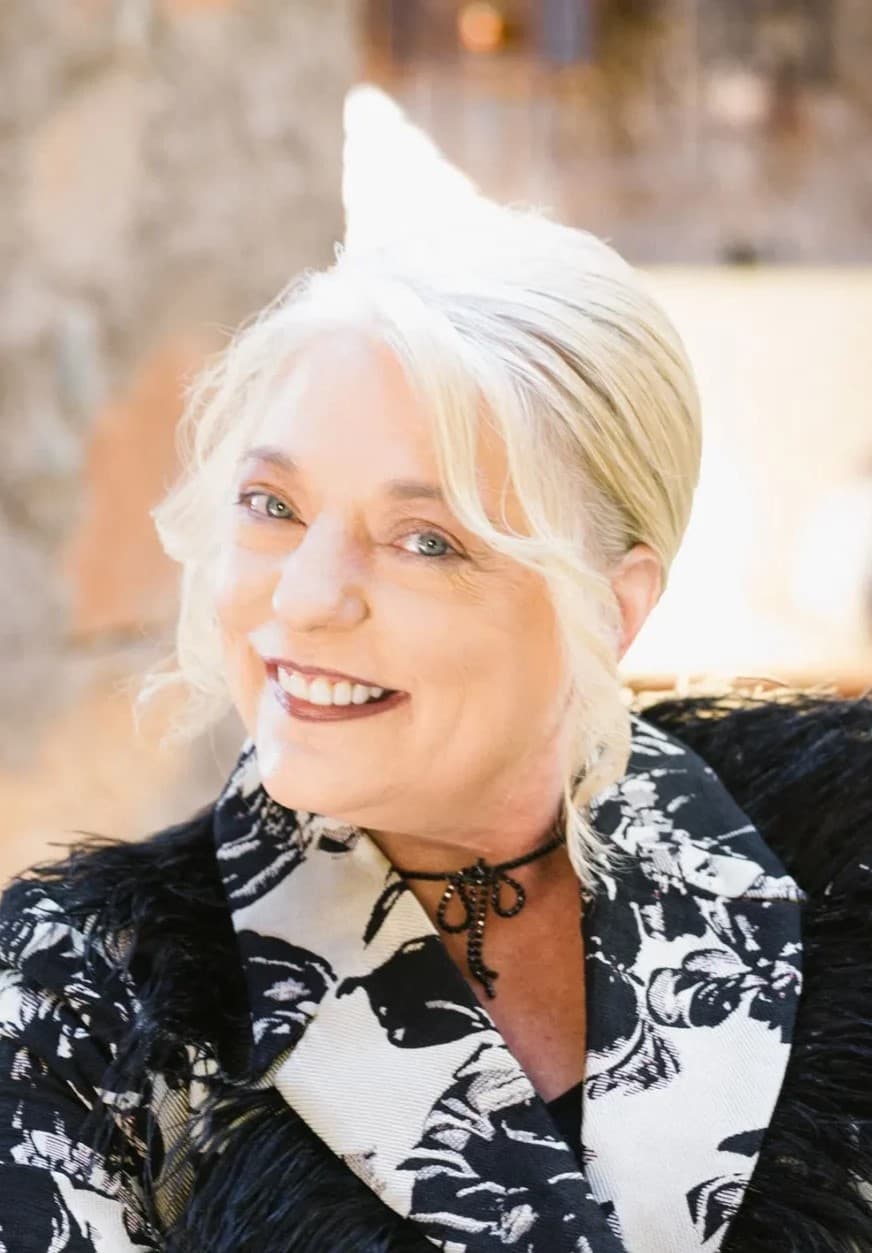
Karen Johnson
With over 30 years of news experience in major markets like Los Angeles, Denver, and Columbus, Karen now covers our area for South Jersey NewsBeat. She also brings her articulate and conversational news delivery to WOND radio listeners every weekday. Her background includes work with the NBC Radio Network, and she thrives in fast-paced news environments.