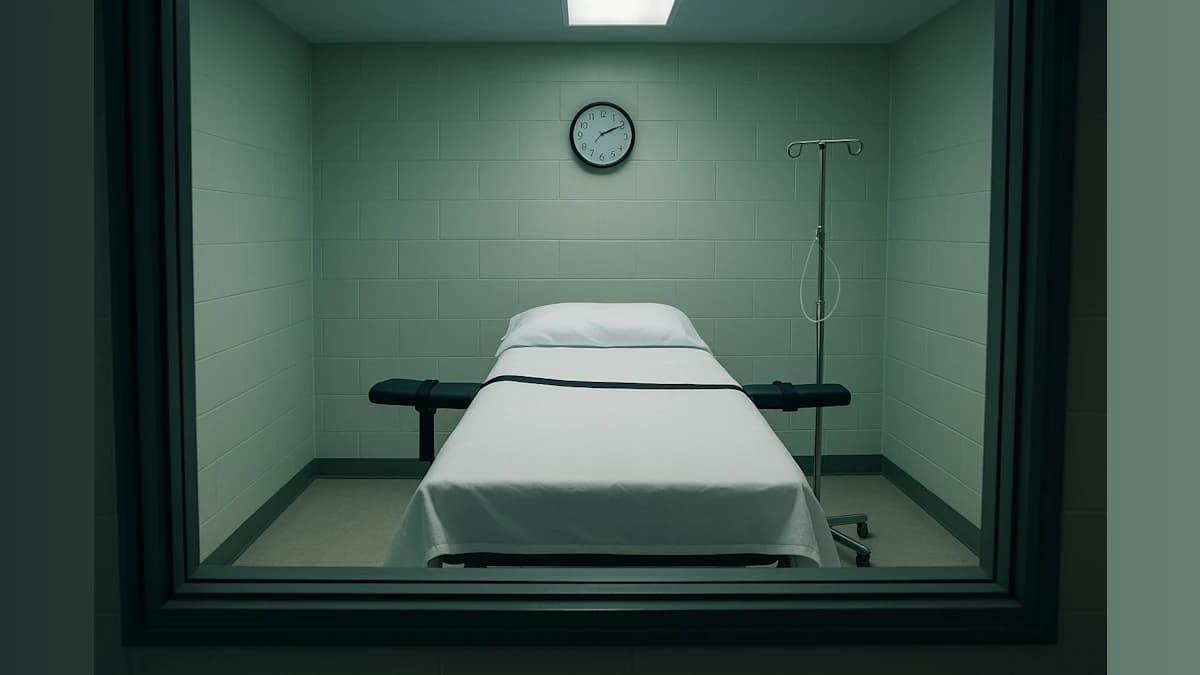
Tennessee has suspended executions after an unprecedented incident Wednesday night in which death row inmate Christa Gail Pike survived two lethal injections, according to NPR. The halt, reported Thursday by NPR, has drawn national attention to the state's capital punishment procedures and the broader debate over lethal injection protocols.
Pike was sentenced to death for a 1995 murder and was scheduled to be executed Wednesday night. After two lethal injections, she was still alive, NPR reported. The specific reasons for her survival have not been disclosed, and it remains unclear whether the state will attempt a third execution or pursue alternative measures.
The incident marks a rare occurrence in modern U.S. execution history. While botched executions have been documented, a condemned inmate surviving multiple lethal injections is virtually unheard of. Tennessee officials have not released a detailed statement on the medical or procedural failures that led to Pike's survival, but the state's decision to halt executions signals a temporary pause as reviews are conducted.
Legal experts suggest the case could reignite scrutiny over the drugs used in lethal injections and the training of execution teams. Tennessee, like many states, has faced challenges in obtaining execution drugs due to pharmaceutical companies' refusals to supply them for capital punishment. This has led some states to use compounded drugs or alternative protocols, which critics argue increase the risk of complications.
Pike's case specifically involves a 1995 murder, though details of the crime were not included in the NPR report. Her survival after two injections raises constitutional questions about cruel and unusual punishment, as further attempts to execute her could be argued as such. The halt in Tennessee may influence other states' execution schedules as they await clarity on the incident.
The story was reported by Tony Gonzalez and Michel Martin for NPR's Morning Edition on October 1, 2026. Audio from the segment will be available later today. NPR does not offer or accept money for coverage or interviews, and anyone making such an offer is not an NPR employee and does not represent NPR.