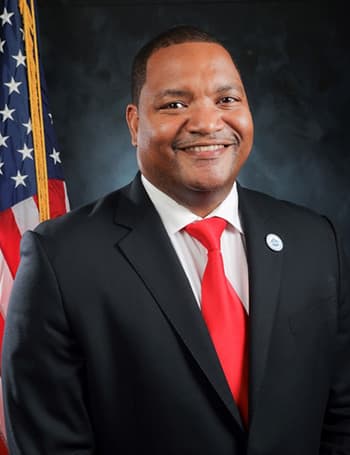

Texas Tech University Athletic Director Kirby Hocutt issued a comprehensive statement on Wednesday addressing the complex situation surrounding quarterback Brendan Sorsby, who has publicly acknowledged struggling with a gambling addiction. The statement underscored the university's commitment to supporting the athlete's recovery while acknowledging the difficult balance between player welfare and competitive considerations.
Hocutt characterized the circumstances as presenting no straightforward resolution, reflecting the multifaceted challenges that arise when athletic performance intersects with personal health crises. The athletic director's remarks come as the university navigates both its duty of care to a student-athlete in recovery and the practical realities of managing a Division I football program.
Significantly, Hocutt did not close the door on Sorsby's potential return to competition during the current season. This measured approach suggests the university is evaluating the situation on an ongoing basis, likely in consultation with medical professionals, counselors specializing in addiction treatment, and NCAA compliance officials. The decision to keep options open indicates that Sorsby's recovery progress and overall well-being remain central to any determinations about his athletic future.
The case highlights the growing scrutiny surrounding gambling in college athletics, particularly as sports betting has become increasingly accessible and normalized across much of the United States. Universities nationwide have grappled with how to address gambling-related violations and addiction among student-athletes, balancing disciplinary measures with recognition that addiction constitutes a medical condition requiring treatment rather than solely punitive responses.
For Texas Tech, the situation presents both institutional and competitive implications. The Red Raiders must weigh their quarterback depth chart considerations against their broader responsibility to support a student-athlete confronting a serious personal challenge. Hocutt's statement reflects an attempt to navigate these competing priorities while maintaining transparency with stakeholders including fans, alumni, and the broader university community.
The athletic department's handling of this matter may serve as a precedent for how institutions address similar situations in the future, particularly as awareness grows regarding the prevalence of gambling addiction among young adults and the unique pressures facing student-athletes in an era of widespread sports betting legalization.