In a significant conservation victory, thousands of flamingo chicks have successfully hatched at Lake Tuz, one of the world's most critical flamingo breeding grounds, marking a dramatic recovery from a climate-related catastrophe that devastated the site five years ago.
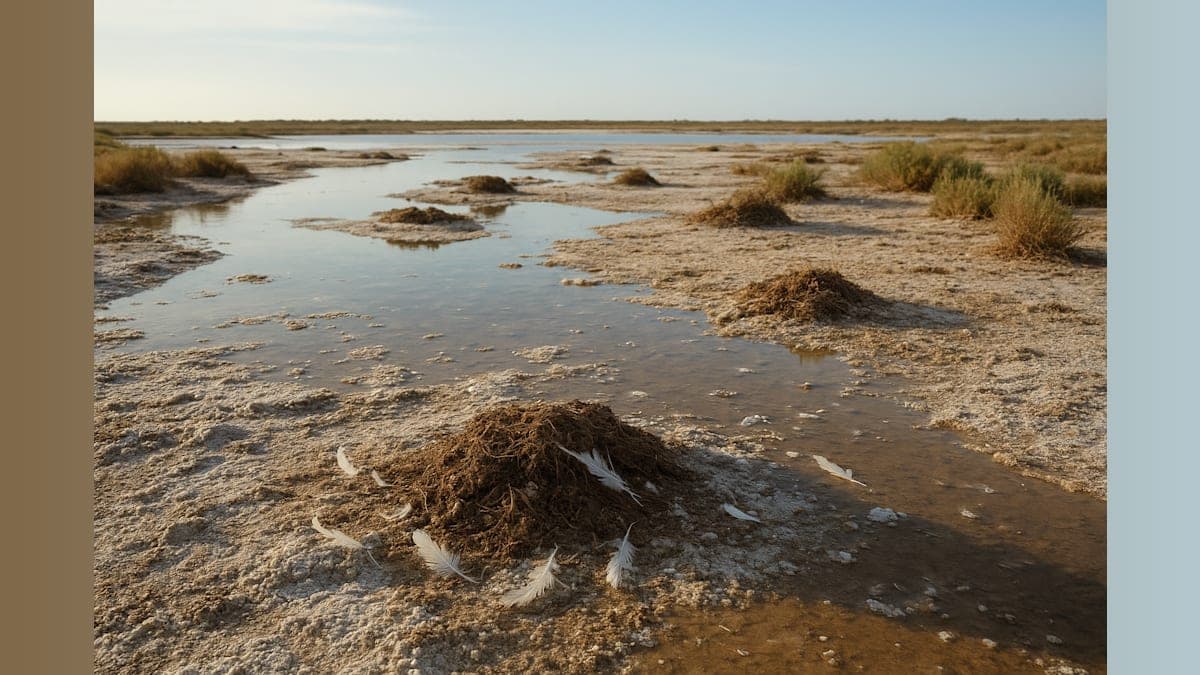
Lake Tuz, once the second-largest lake in Turkiye, faced near-complete desiccation in 2021 due to extreme temperatures and insufficient rainfall. The environmental crisis resulted in the deaths of thousands of greater flamingo hatchlings that year, raising alarm among conservationists about the future of this vital wetland ecosystem.
Drone footage captured on June 10th reveals approximately 5,000 young flamingos under the watchful protection of their parents, learning essential survival skills including feeding techniques and threat avoidance in their natural habitat. The remarkable recovery follows targeted conservation initiatives aimed at restoring the climate change hotspot located on the Central Anatolia plateau.
"We will more than compensate for the losses of previous years by raising the population with these chicks during the season," said Fahri Tunç, President of the Bird's Eye View and Ecology Association, speaking to Good News Network. "This is great news. The current number is more than double that of last year, which was more than double that of the year before," Tunç told Turkiye's news outlet DHA.
The lake's name, Tuz—meaning salt in Turkish—reflects its saline character. This distinctive wetland draws nature enthusiasts and wildlife photographers from around the globe who come to witness seasonal color changes and experience the mineral-rich water, mud, and salt deposits.
NASA reported in 2021 that the Mediterranean Basin, where Lake Tuz is situated, qualifies as a climate change hotspot due to warming at rates exceeding the global average since the pre-industrial period. Satellite imagery documented the lake's alarming decline, showing it nearly completely dried up and threatening wildlife dependent on algae food sources and nesting habitat.
The lake, which has no outlet, receives water from groundwater originating in northern mountains, two major streams, and rainfall that falls primarily during spring months. According to findings published in Regional Environmental Change, water covered 98 percent of the lake bed in 1988. By early 2001, only 20 percent remained water-covered, and in 2016, the lakebed was completely dry. The same devastating conditions returned in 2021, triggering the mass death of young flamingos.
Following the 2021 crisis, Turkiye's general directorate for the protection of natural assets launched a water supply project at the lake, located 90 miles southeast of Ankara, the country's capital. The initiative pumps water into wetland areas where chicks nest, providing critical protection for new nestlings.
The intervention achieved notable success in 2024, with no mass deaths of flamingo chicks reported. This year's thriving population has wildlife conservationists like Tunç optimistic about continued positive outcomes for the species and the broader ecosystem that depends on this vital wetland habitat.