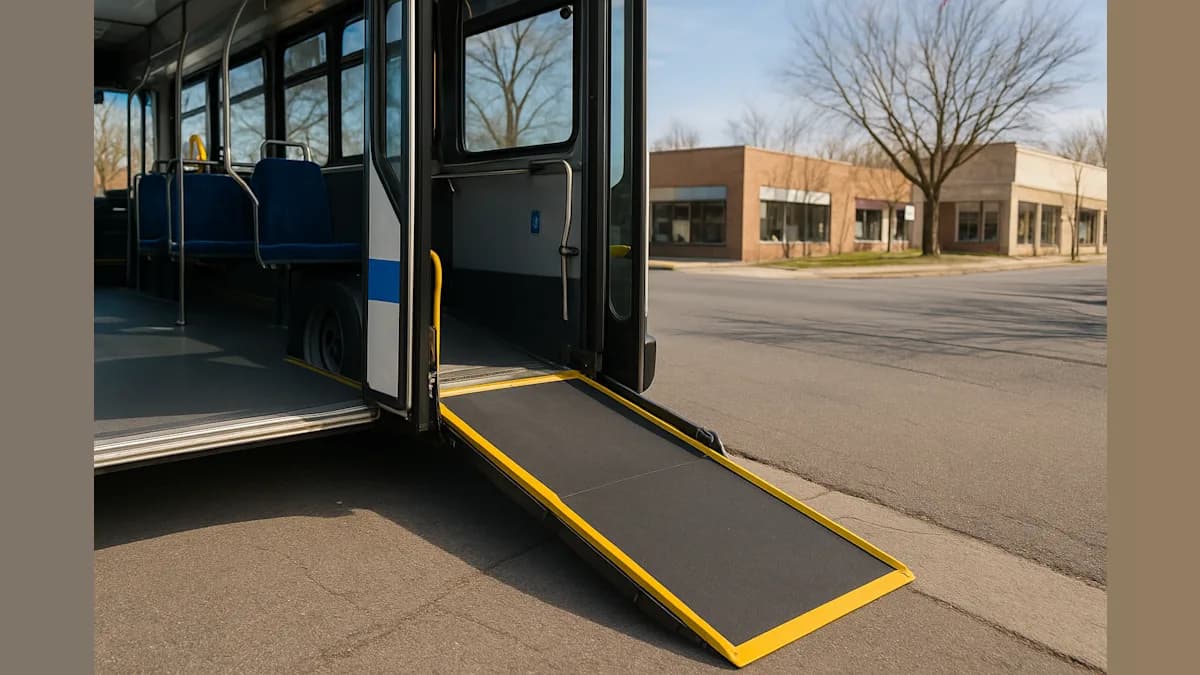
Every time a city bus lowers its platform to accommodate a wheelchair user, it represents a victory won through direct action nearly half a century ago. The accessible buses that have become standard across American cities exist because disability rights activists refused to accept exclusion from public transportation.
In 1978, wheelchair users organized a protest that would fundamentally alter the landscape of public transit accessibility. At that time, the simple act of boarding a city bus remained impossible for millions of Americans with mobility disabilities. Public transportation systems operated with impunity, effectively barring an entire segment of the population from participating fully in civic life.
The demonstration marked a pivotal moment in the broader disability rights movement, which sought to dismantle the physical and social barriers that relegated people with disabilities to second-class citizenship. While the civil rights movements of the 1960s had challenged racial segregation, disability rights activists in the 1970s confronted a different form of exclusion—one built into the very infrastructure of American cities.
The protest's success laid essential groundwork for subsequent legislative victories, including the Americans with Disabilities Act of 1990, which codified accessibility requirements across public accommodations. Today's wheelchair-accessible buses, equipped with hydraulic lifts or ramps, represent the tangible legacy of those early activists who demanded equal access to public services.
NPR's Joseph Shapiro and Colorado Public Radio's Stephanie Wolf have documented this critical chapter in American civil rights history, examining how a single protest catalyzed systemic change in public transportation. Their reporting illuminates how rights now taken for granted were secured through the determination of activists who refused to accept exclusion from public life.
The transformation of public transit accessibility serves as a reminder that civil rights progress often results from sustained advocacy by those directly affected by discrimination. The wheelchair users who protested in 1978 understood that true equality required not merely legal recognition, but physical access to the spaces and services that enable full participation in society.