Great Smoky Mountains National Park will soon expand its protected boundaries following a significant land acquisition by a regional conservation organization. Foothills Land Conservancy has completed the purchase of the Oliver Tract, a 600-acre property that directly borders the national park, marking a substantial victory for environmental preservation in the southern Appalachian region.
The acquisition permanently protects what conservationists describe as one of the most significant remaining privately held properties adjacent to the park. The Oliver Tract's strategic location and ecological value make it a critical addition to the protected landscape that draws millions of visitors annually to the Great Smoky Mountains.
Foothills Land Conservancy, a nonprofit organization focused on land preservation throughout the southern United States, orchestrated the transaction. The organization specializes in protecting natural areas, working lands, and scenic landscapes that hold particular ecological or cultural significance for their communities.
The 600-acre Oliver Tract represents more than simply additional acreage. Properties of this size bordering national parks have become increasingly rare as development pressure mounts in gateway communities surrounding popular outdoor destinations. By securing this land, Foothills Land Conservancy has prevented potential commercial or residential development that could have fragmented wildlife habitat and altered the park's boundary ecosystem.
Great Smoky Mountains National Park, which straddles the border between North Carolina and Tennessee, stands as America's most visited national park. The park's biodiversity rivals that of much larger protected areas, with its varied elevations and microclimates supporting thousands of plant and animal species. Expanding the protected area through acquisitions like the Oliver Tract helps ensure the long-term viability of these ecosystems.
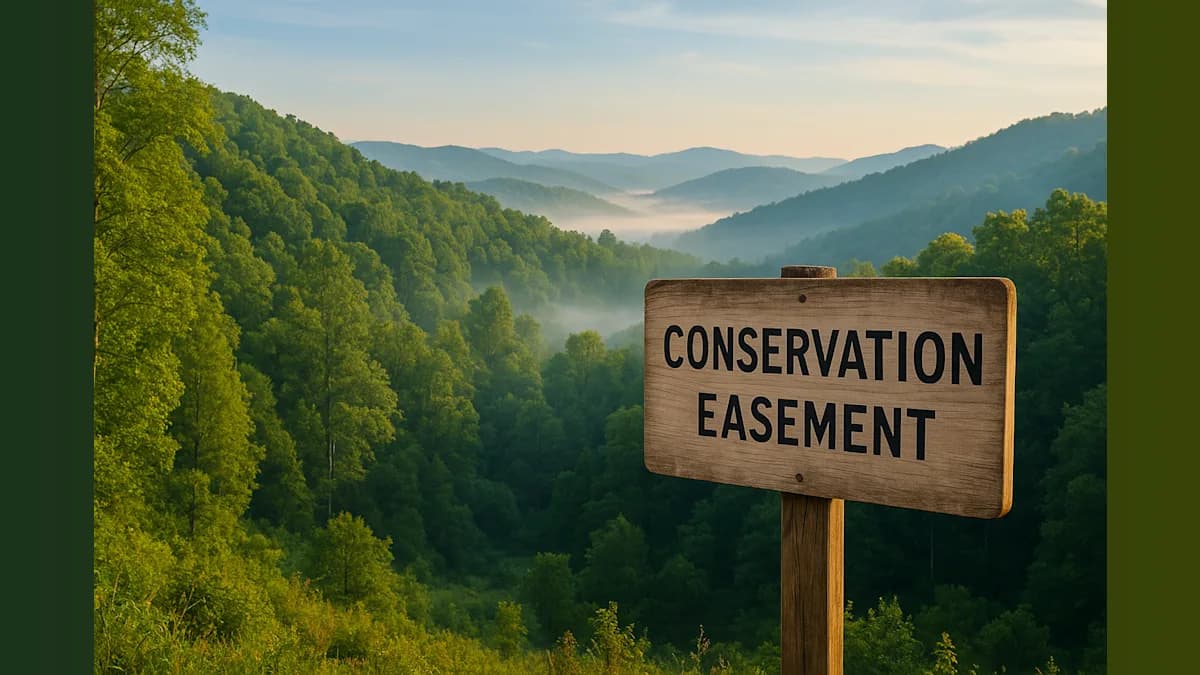
The transaction follows a growing trend of conservation organizations working to expand protected areas through strategic land purchases. Rather than waiting for government agencies to secure funding for acquisitions, nonprofits like Foothills Land Conservancy can move quickly when critical properties become available, later transferring ownership to public agencies or maintaining conservation easements.
For the Great Smoky Mountains region, the Oliver Tract acquisition provides multiple benefits beyond simple acreage expansion. The property likely serves as wildlife corridor connecting existing protected lands, allows for watershed protection in the mountainous terrain, and preserves scenic viewsheds that contribute to the area's tourism economy.
The completion of this acquisition demonstrates the ongoing commitment to conservation in the southern Appalachian region, where balancing development pressures with environmental protection remains an constant challenge. As one of the last significant privately held properties bordering the national park, the Oliver Tract's protection ensures that future generations will experience the Great Smoky Mountains much as visitors do today.