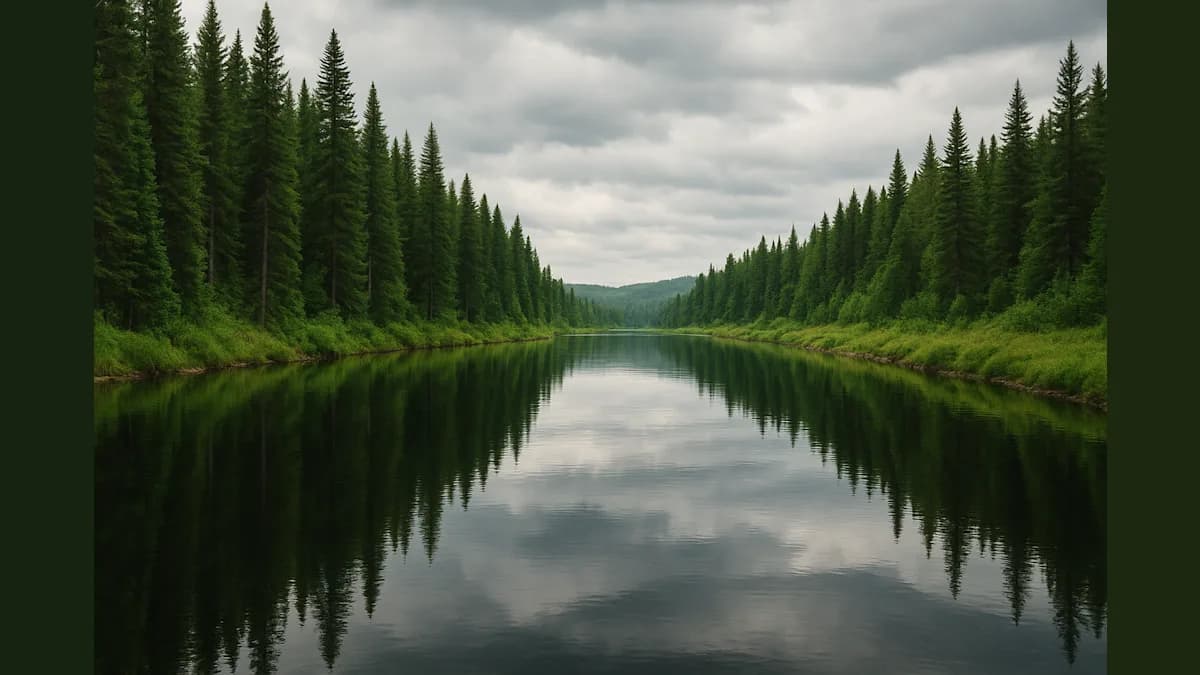
A sweeping conservation initiative has secured permanent protection for 78,000 acres of wilderness along Maine's Magalloway River, shielding the ecologically distinctive landscape from development pressures while preserving access for recreational users.
The newly conserved tract encompasses habitat that has long attracted outdoor enthusiasts to the remote northwestern corner of the state. The Magalloway River corridor represents one of Maine's most valued natural areas, offering opportunities for fishing, hunting, and wilderness exploration in a region characterized by its undeveloped character.
The protection of such an extensive parcel marks a significant achievement in Maine's ongoing efforts to balance economic development with environmental stewardship. Conservation easements and land acquisitions of this scale typically involve collaboration among government agencies, nonprofit organizations, and private landowners working toward shared preservation goals.
The Magalloway River watershed supports diverse wildlife populations and serves as critical habitat for species dependent on intact forest ecosystems. By preventing fragmentation through development, the conservation project maintains ecological connectivity across a substantial landscape, allowing wildlife to move freely and populations to remain viable.
For recreational users, the protected acreage ensures continued access to hunting grounds, fishing waters, and backcountry terrain that might otherwise have faced restrictions under private development. The preservation of working forests in Maine often includes provisions for sustainable timber harvesting alongside recreational access and wildlife protection.
The conservation achievement reflects growing recognition of the economic value that protected natural areas provide through tourism, outdoor recreation, and ecosystem services. Maine's North Woods region has increasingly become a focal point for large-scale conservation projects as stakeholders seek to maintain the region's distinctive character while supporting rural communities.