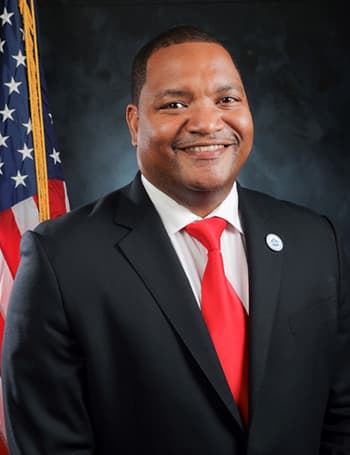
Aurora, Colorado Mayor Mike Coffman has taken an unconventional approach to addressing homelessness in his city: experiencing it firsthand. The U.S. military veteran and longtime government official spent a week living in homeless encampments, sleeping under a tarp as temperatures plummeted into the teens.
Rather than commissioning studies or relying solely on consultant reports, Coffman chose direct engagement with the city's homeless population. During his time on the streets, he became known as "Homeless Mike," listening to residents and learning about their daily struggles and needs.
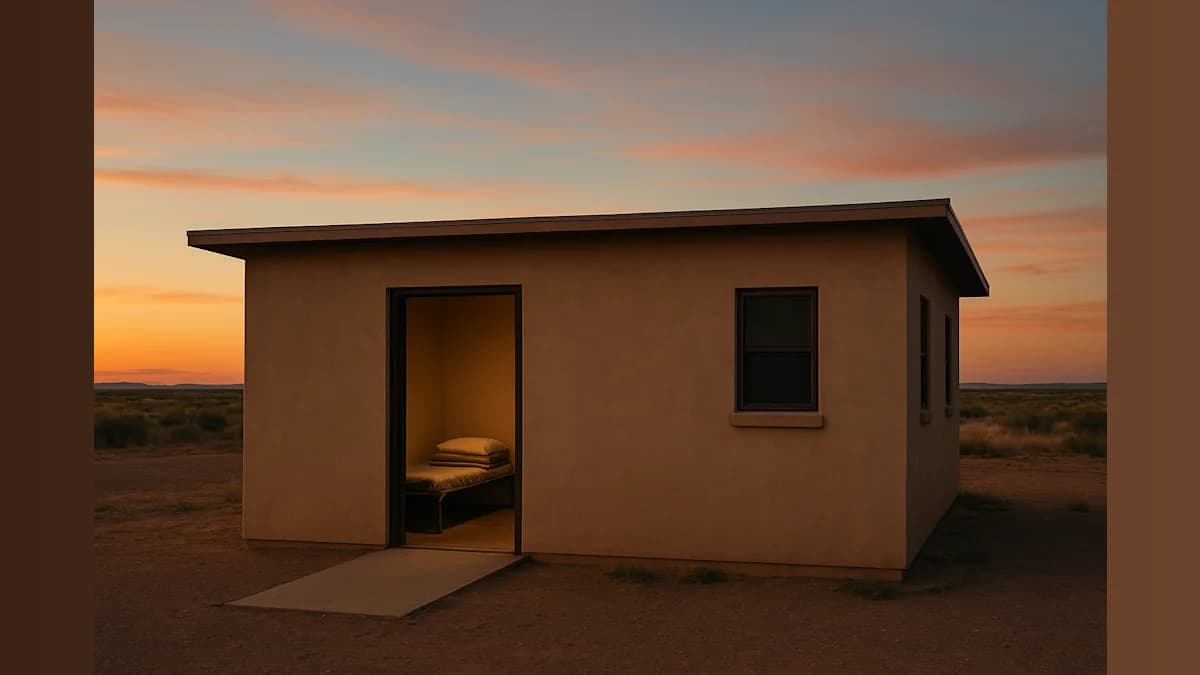
The mayor's street-level experience proved transformative, leading him to help establish Advanced Pathways, a nonprofit organization designed to provide comprehensive support for individuals experiencing homelessness. The incentive-based program operates a 600-person transitional housing facility that offers a structured pathway from emergency shelter to stable employment.
The program's model emphasizes progressive steps toward independence. Participants move through stages from initial shelter placement to transitional housing and ultimately to full-time employment. The goal is to help individuals achieve the highest level of self-sufficiency they are capable of reaching, recognizing that each person's journey and capacity may differ.
Coffman has maintained his commitment to direct engagement even after founding the program. He continues to visit the facility once a week, building relationships with residents and creating an environment where they can openly discuss their challenges and aspirations. This ongoing presence allows the mayor to stay connected to the realities facing Aurora's homeless population and ensures that policy decisions remain grounded in lived experience.
The mayor's hands-on leadership style represents a departure from traditional approaches to homelessness policy. By prioritizing personal observation and relationship-building over conventional bureaucratic methods, Coffman has created a program that addresses both immediate housing needs and long-term stability for Aurora's most vulnerable residents.