A towering natural landmark in Western Australia has reopened to adventurous climbers after a three-year closure for safety repairs, restoring access to one of the region's most distinctive tourist attractions.
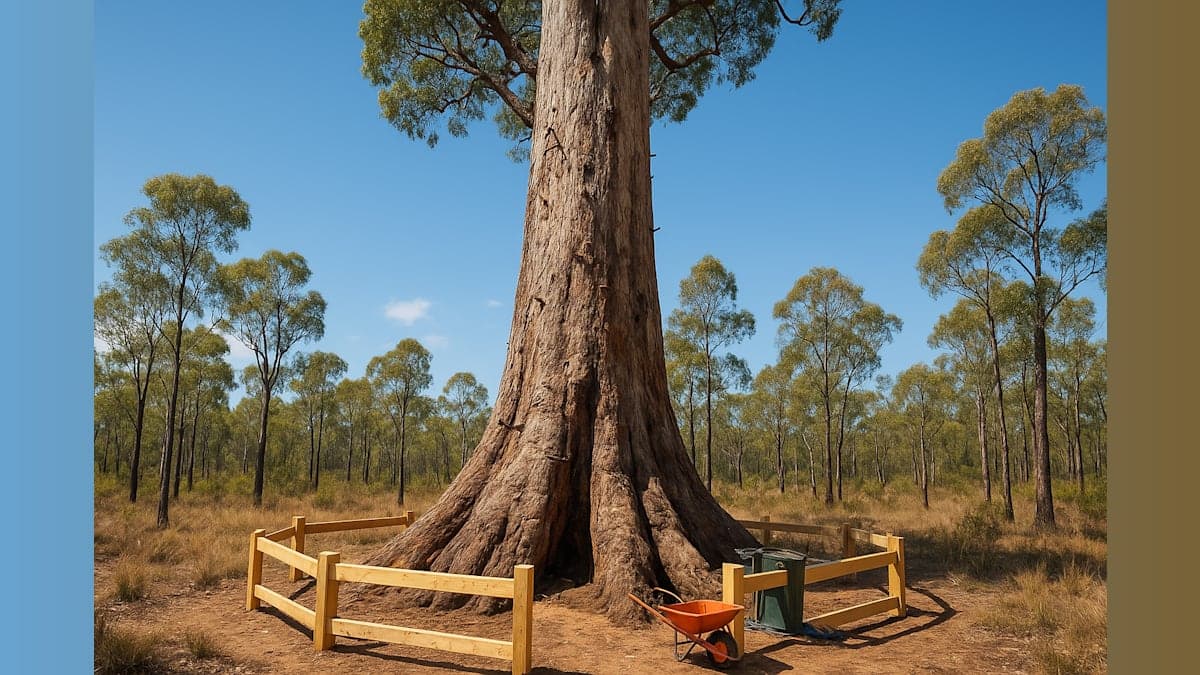
The Gloucester Tree, located in Pemberton approximately 190 miles south of Perth, stands as the second-tallest fire-lookout tree in the world. The 250-year-old Eucalyptus, known locally as a Karri tree, has served as both a functional fire surveillance point and a tourist destination since 1947.
The tree features a distinctive spiral ladder of metal pegs hammered directly into its trunk, originally installed for foresters to survey the vast karri forests for wildfires. What sets this attraction apart from modern climbing experiences is the complete absence of safety equipment—no harnesses or ropes are provided, making it a remarkable holdover from an earlier era of outdoor recreation.
The closure in 2023 dealt a significant blow to Pemberton's tourism economy, which depends heavily on outdoor enthusiasts drawn to the area's long-distance hiking trails, rich forest ecosystems, multiple national parks, and thriving wine and agricultural operations. The former timber industry town sits near the massive landlocked coastal sand dunes at D'Entrecasteaux National Park.
Local government president Donelle Buegge described the experience of ascending the tree as extraordinary, noting that watching sunrise through the forest canopy from the observation platform provides magnificent views that have long been cherished by residents and visitors alike.
Engineers and arborists undertook extensive work to address structural concerns, re-pegging both the Gloucester Tree and another similar landmark called the Dave Evans Bicentennial Tree in 2023. However, the Gloucester Tree remained closed while officials evaluated the best approach to ensure long-term safety and stability.
The reopening comes with modifications. A new observation platform has been installed just over 100 feet up the trunk, while the original platform at 200 feet, or 61 meters, remains closed to the public. Despite the changes, the climb retains its original character—visitors still ascend at their own risk without safety equipment, though officials note the activity remains safer than Alpine skiing, which results in dozens of injuries and fatalities annually.
"On an Australian level and probably on the international level, they're pretty unique … so we're encouraging people to come visit the sites and also all the other amazing things you can do around Pemberton," Tim Foley from the Department of Biodiversity, Conservation, and Attractions told ABC News.
Foley emphasized that officials recognized the critical importance of tourism driven by these historic trees to the local community. Ensuring repairs were completed properly to prevent future closures was essential to maintaining this economic lifeline.
The reopening represents more than restored access to a tourist attraction—it signals the return of a cultural touchstone for Pemberton residents and a unique adventure opportunity for visitors exploring Australia's southwest wine country and wilderness areas.