
A widely circulated piece of advice about helping bees during hot, dry weather turns out to be ineffective, according to a prominent bee conservation scientist who is urging the public to adopt different strategies.
Dr. Richard Comont, science manager at Bee Conservation Trust, recently addressed the popular practice of creating so-called hydration stations by mixing sugar and water for tired bees. The approach, frequently shared on social media and in gardening circles, does not actually revive struggling bees or meet their nutritional requirements.
"Bumblebees get basically all the fluid they need from nectar direct from flowers, as do most other flower-visiting insects," Comont told Good News Network.
The issue extends beyond simple hydration. While sugar represents an important component of nectar, authentic flower nectar contains numerous other vital substances that a simple sugar-water mixture cannot replicate.
"Although the sugar component of nectar is important, real nectar also contains lots of other substances—sterols and amino acids in particular—which are essential for nutrition," Comont told Good News Network.
Honeybees represent a partial exception to this guidance, as they do gather water to cool their hives and dilute concentrated nectar. However, Comont noted that honeybees constitute just one semi-domesticated species among approximately 280 wild bee species found in the United Kingdom.
For wild bees struggling during drought conditions, the science manager recommends a fundamentally different approach centered on living plants rather than artificial feeding stations.
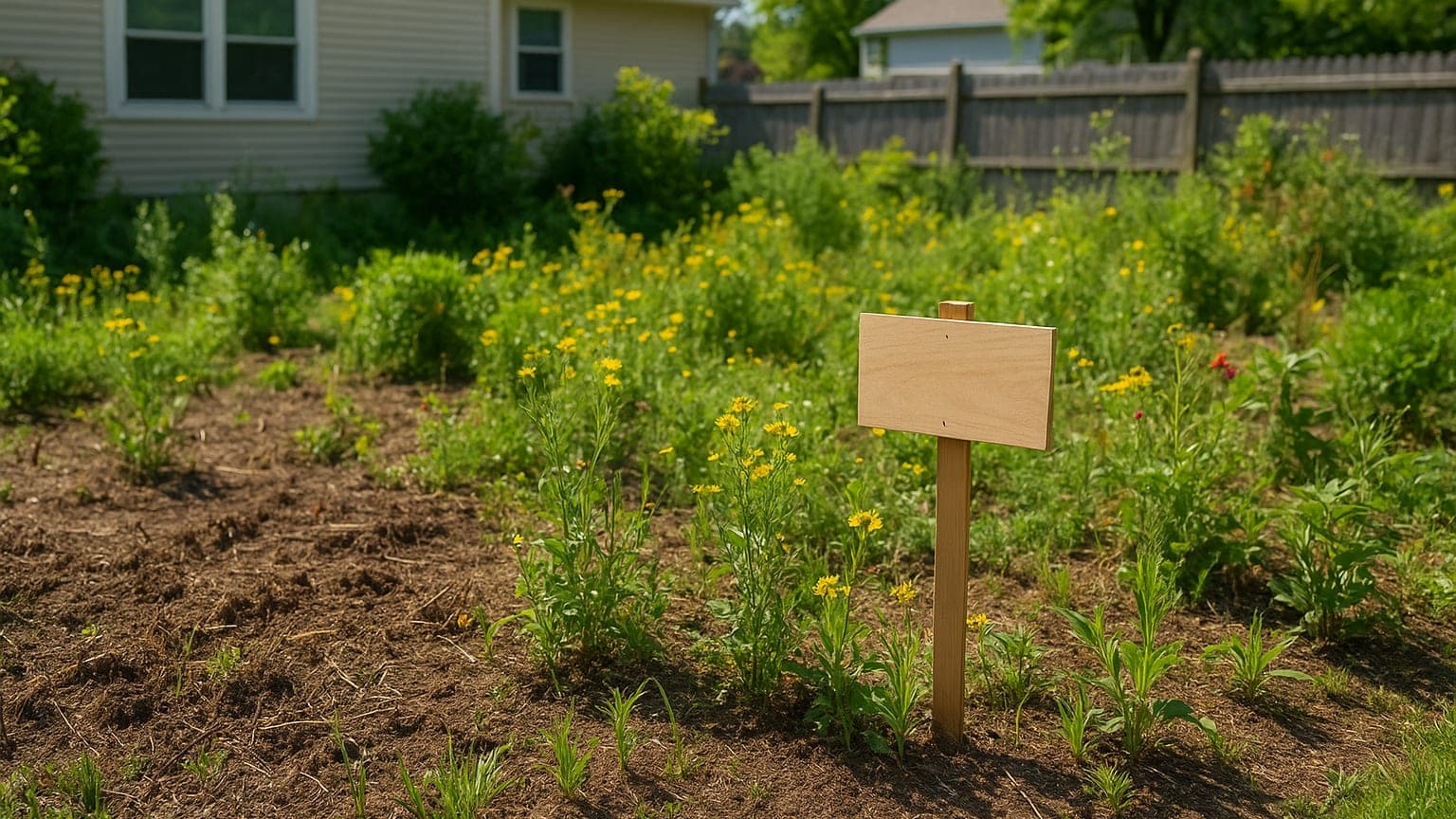
"The best kind of hydration station for bumblebees would be a shady patch of flowers, either kept watered or by a pond," Comont told Good News Network. "That way they have enough water to keep producing nectar."
Drought conditions create multiple challenges for bee populations. When plants become dehydrated, they cease producing nectar entirely due to insufficient water reserves. Additionally, extreme heat directly impairs bee flight capability.
"Bumblebees start struggling to fly when the air temperature gets [above 86 degrees Fahrenheit], and sooner in bright sunshine," the expert told Good News Network.
Shade becomes particularly important during hot weather because it allows bees to continue visiting flowers for extended periods without overheating. Shaded plants also retain moisture more effectively, enabling them to maintain nectar production when temperatures climb.
For those looking to support bee populations during dry spells, Comont emphasized that food sources remain the primary concern.
"Really, the single biggest thing people can do is provide food for the bees—i.e. plants which do actually produce nectar and pollen," Comont told Good News Network.
The scientist recommended selecting deep-rooted plant varieties, which maintain access to underground water reserves longer during drought periods. Regular watering of flowering plants extends their ability to produce the nectar and pollen that bees require for survival.
The guidance arrives as drought conditions affect regions on both sides of the Atlantic Ocean, placing additional stress on already vulnerable pollinator populations. By focusing efforts on cultivating well-maintained flowering plants in shaded locations rather than setting out sugar water, residents can provide meaningful support to wild bee species struggling through challenging environmental conditions.