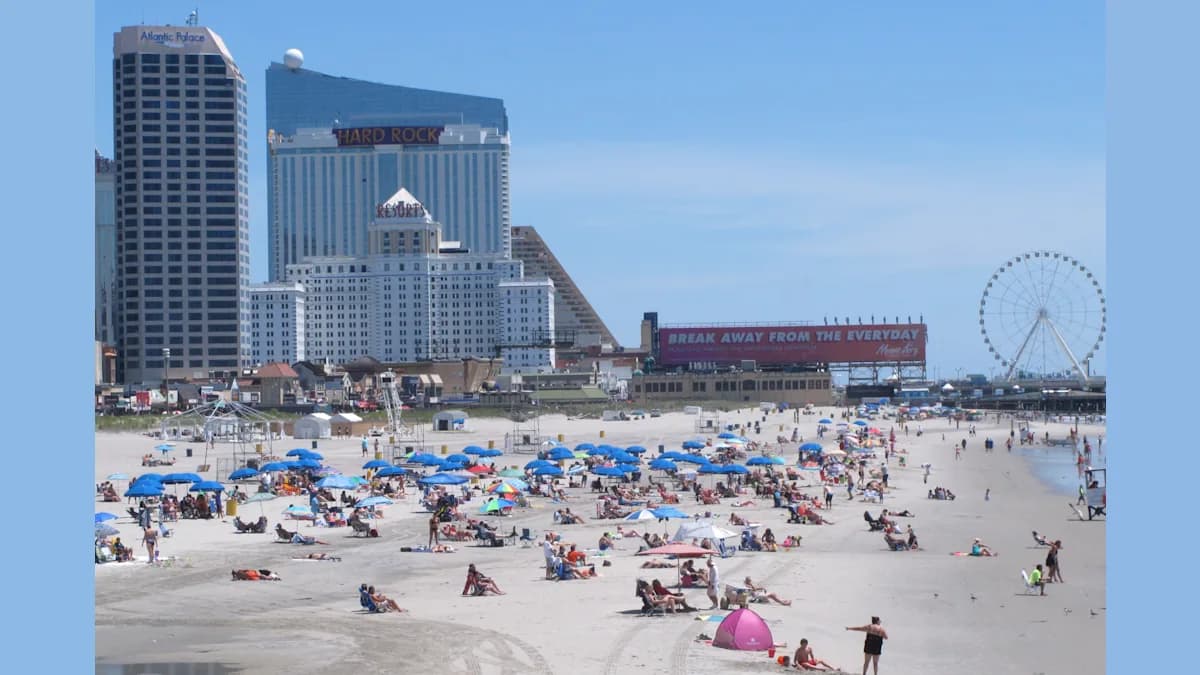
ATLANTIC CITY — Atlantic City can generate hundreds of millions of dollars from slot machines and table games, but tourism leaders say the bigger economic prize may be what visitors do after they step away from the casino floor.
Eat at a restaurant. See a concert. Walk the Boardwalk. Visit an attraction. Play golf. Spend another night.
That broader visitor economy is increasingly central to Atlantic City’s strategy as the resort tries to translate strong casino traffic, conventions and major events into spending throughout the city and the surrounding region.
New York City Councilman and radio host Frank Morano said the distinction between someone gambling inside an Atlantic City casino and someone placing wagers online from elsewhere in New Jersey is particularly important.
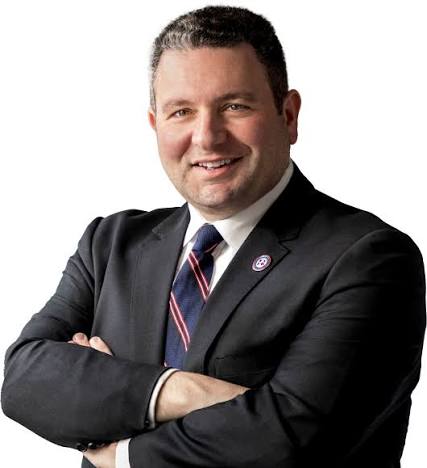
“The in-person gambling is much more significant in my view,” Morano said during an appearance on The AC Mike Lopez Show on WOND.
For Morano, the reason goes beyond the casino’s bottom line.
“That's not only keeping a craps dealer employed or a blackjack dealer employed, but these are folks that are then going to the restaurants,” Morano said.
“They're taking their kids to the Lucky Snake arcade,” he continued. “They're walking the Boardwalk, hopefully visiting the Steel Pier.”
Getting People Here Is Only Part of the Equation
Morano’s comments dovetail with a broader strategy outlined by Visit Atlantic City President and CEO Gary Musich during a separate WOND interview.

Musich said attracting visitors remains critical, but the next challenge is convincing them to spend more time in Atlantic City and the surrounding region.
“You've got to give different reasons for people to come and extend their stay,” Musich said during Off the Press with Scott Cronick, with Assemblyman Don Guardian serving as guest host.
Those reasons don't necessarily have to involve gambling.
“Golf, ecotourism, wineries, events, new restaurants,” Musich said. “That is all what makes people stay a little bit longer in Atlantic City and exposed to our region.”
That strategy is significant because Musich said that at one point about 70% of Atlantic City visitors stayed only one night.
“Imagine what happens if they stay a day and a half,” Musich said. “That's hundreds of millions of dollars in economic impact.”
Visit Atlantic City has formally adopted a regional approach aimed in part at extending visitor stays and converting business travelers into leisure visitors. The organization reported that meetings, conventions and trade shows it supported in 2025 generated 328,067 room nights, 533,242 attendees and more than $362 million in economic impact.
More Than Gambling
There is evidence that Atlantic City's nongaming economy has already become a major part of the casino resort business.
A 2026 report from Stockton University's Lloyd D. Levenson Institute of Gaming, Hospitality and Tourism found Atlantic City's casino operators generated $1.74 billion in net nongaming revenue in 2025, compared with $1.67 billion in net gaming revenue as measured in that report.
The casinos also remain major employers, with approximately 14,500 Atlantic County residents working in the industry, according to the report.
That nongaming revenue includes the hotel rooms, restaurants, entertainment and other amenities that have become increasingly important as Atlantic City competes with casinos in Pennsylvania, New York and other neighboring states.
It also helps explain why the number of people physically coming to Atlantic City remains such an important measure even as New Jersey's internet gambling industry continues to grow.
Morano said Atlantic City's recent brick-and-mortar casino performance provides an opportunity to capitalize on that physical visitation.
“I think there's a lot going on here,” Morano said, “and I think there is a lot of opportunity to capitalize on this to expand the Atlantic City recreational and entertainment footprint.”
Extending the Season — and the Stay
Musich said Visit Atlantic City is also intentionally using events to generate business during periods that traditionally have been softer.
The strategy includes scheduling major attractions outside the busiest summer weekends and attempting to draw different types of visitors to the resort.
“You do new types of events,” Musich said.
He pointed to the Atlantic City Airshow, beach concerts, offshore powerboat racing and other events as tools for extending the tourism calendar.
“Those are all extending our summer,” Musich said. “And that's what we should be doing.”
But Visit Atlantic City's strategy increasingly extends beyond Atlantic City's borders as well.
Musich said Cape May, wineries, golf courses, fishing, ecotourism and other South Jersey attractions can all help persuade an Atlantic City visitor to add time to a trip.
“We benefit from everything that goes on in Cape May as well,” Musich said.
“Cape May visitors come to visit Atlantic City to shows and restaurants and to gamble,” he said. “Atlantic City visitors go to Cape May.”
The idea is to view the region's attractions as complementary rather than competitive.
For a visitor already spending a night at an Atlantic City casino hotel, a golf outing, winery visit, restaurant reservation or trip to Cape May could be the difference between leaving the next morning and booking another night.
And for Atlantic City's economy, Morano argues that the difference between a visitor gambling from a hotel room and a customer gambling from a phone hundreds of miles away is equally important.
The physical visitor supports employees and potentially spreads spending throughout the resort.
Musich's strategy takes that concept one step further: Once that person is here, give them enough to do that they don't leave.
“They're going to stay there,” Musich said. “And they're going to eat. And maybe they play an extra night.”
“But it extends that stay,” he added. “And the value in that is just — it's enormous.”

About the Author
Peter Killeen
A 25-year radio news veteran, Peter covers South Jersey for NewsTalk 1400 & 92.3 WOND radio. Known for his concise and impactful delivery, he ensures listeners and readers stay informed without unnecessary filler.