
As backyard cookouts reach their seasonal peak, the humble hot dog remains a centerpiece of American summer dining. Yet achieving the perfect preparation requires more consideration than many home cooks realize, according to culinary expert Kenji López-Alt, a James Beard Award winner and cookbook author who recently shared his insights on optimal cooking methods.
The foundation for success begins at the supermarket, López-Alt explained. Natural casings, made from lamb skins, provide the characteristic snap that distinguishes a quality hot dog from inferior alternatives. These casings cause hot dogs to curve slightly in their packaging, unlike uncased varieties that lie flat. López-Alt emphasized that natural casings deliver superior texture regardless of cooking method, telling NPR that this feature is what gives hot dogs their snap.
Testing conducted by NPR evaluated several popular cooking methods, revealing significant differences in texture, flavor, and appearance. The microwave, while offering unmatched speed at just 45 seconds, produced disappointing results. The hot dog emerged with split skin, shriveled ends, and an unappealingly limp texture. López-Alt acknowledged the practical reality of microwave cooking in households with children, telling NPR he has prepared plenty of hot dogs this way when needing to get food on the table quickly. However, he made clear this represents necessity rather than preference.
The air fryer emerged as a superior alternative for time-pressed cooks, delivering comparable speed with markedly better results. López-Alt explained that air fryers employ powerful convection fans that remove excess moisture, producing crispier skin and enhanced flavor. The testing found that air fryer hot dogs developed appealing color and texture, though they sometimes emerged slightly misshapen. While some online sources suggest cutting the casing to increase surface area, López-Alt strongly discouraged this practice for naturally cased hot dogs.
For those willing to invest more time, the slow cooker method produced surprisingly positive results despite an initially unappealing appearance. Hot dogs cooked on low heat for two hours developed a pale, swollen exterior that belied their rich, meaty flavor. NPR host Ayesha Rascoe, who participated in the testing, acknowledged that visual presentation might deter some diners, but the taste proved the method's worth. This approach offers particular advantages for large gatherings, as dozens of hot dogs can remain warm and ready throughout extended events.
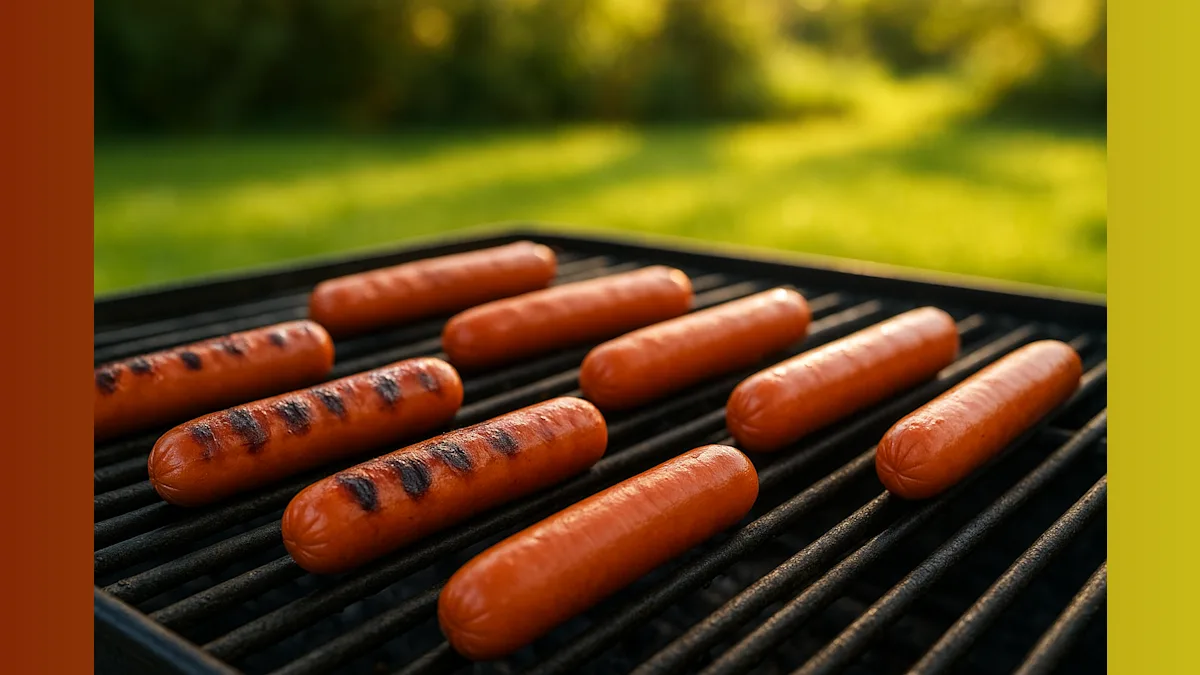
Traditional grilling validated its enduring popularity in the testing. The NPR team used a Weber grill, initially warming the hot dogs away from direct heat for approximately 90 seconds before moving them directly over the coals. This two-stage process produced hot dogs with attractive grill marks, ideal color, and a perfectly crisped exterior. Rascoe noted reduced saltiness compared to other methods, though as a North Carolina native, she expressed preference for traditional accompaniments including mustard, coleslaw, onions, and chili.
Regional variations in hot dog toppings reflect diverse American culinary traditions. López-Alt, a New Yorker, favors sauerkraut and spicy mustard. Since relocating to Seattle, he has observed local preferences for warm cream cheese, jalapeños, and grilled onions—a combination he initially found unconventional but has come to appreciate as an interesting variation when properly executed.
The chef's overarching philosophy emphasizes patience in preparation. Low and slow cooking represents the ideal approach for any sausage variety, he noted, allowing flavors to develop fully. This principle applies whether using a slow cooker, grill, or air fryer, though each method produces distinct characteristics suited to different occasions and preferences.
As the Fourth of July weekend approaches, these techniques offer home cooks evidence-based guidance for elevating a quintessential American food. Whether prioritizing speed, flavor depth, or traditional presentation, understanding the strengths of each cooking method enables better decision-making for summer gatherings.