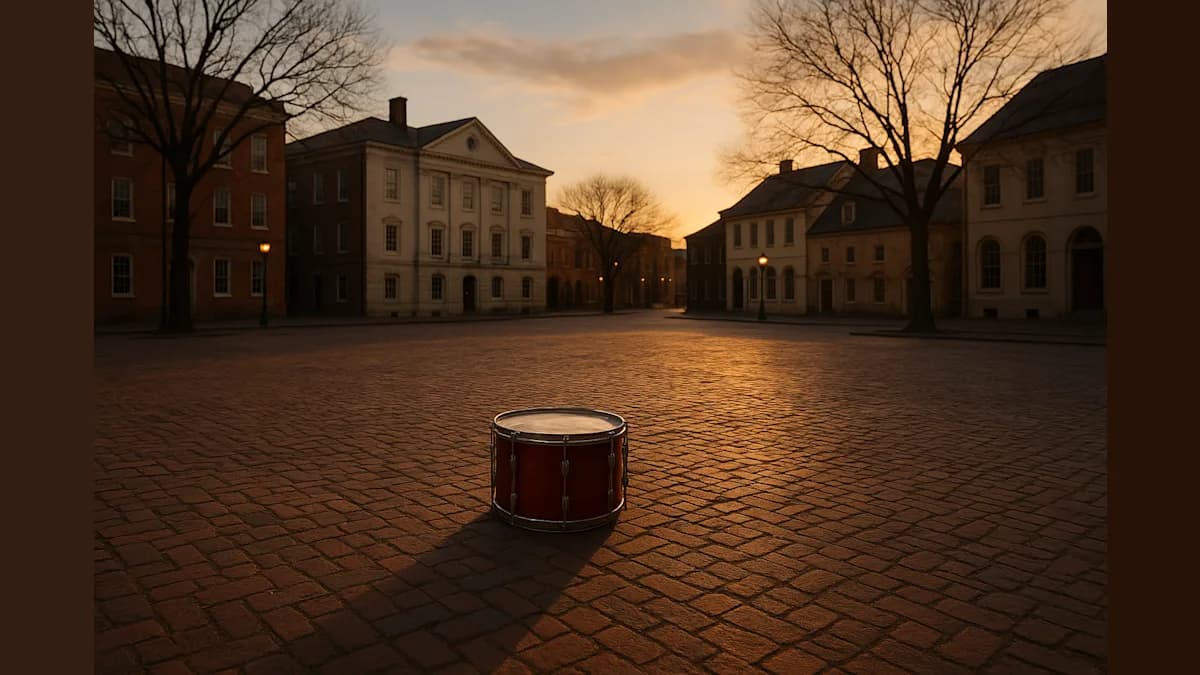
Long before jazz clubs lined Bourbon Street and brass bands paraded through the French Quarter, a different kind of music echoed through New Orleans. In Congo Square, enslaved people gathered to sing, dance, and drum, creating a cultural sanctuary that would fundamentally alter the trajectory of American music and reverberate across the globe.
Congo Square stands as one of the most significant birthplaces of American music, a hallowed ground where African traditions refused to die despite the brutal conditions of enslavement. The square served as a rare space where enslaved individuals could gather, express themselves, and maintain connections to their ancestral heritage through musical and cultural practices.
The rhythms, melodies, and communal practices that flourished in Congo Square did not remain confined to that historic location. Instead, they became foundational elements that would influence virtually every genre of American popular music that followed. From jazz and blues to rock and roll, hip-hop, and beyond, the musical DNA of Congo Square can be traced through centuries of American sound.
What made Congo Square particularly significant was its role as a preservation site for African musical traditions that might otherwise have been lost to history. The drumming patterns, call-and-response vocals, and dance movements practiced there maintained direct links to West African cultures, even as enslaved people were forcibly separated from their homelands.
The cultural exchange that occurred in Congo Square also represented a form of resistance. By gathering to perform their traditional music and dances, enslaved people asserted their humanity and cultural identity in the face of a system designed to strip them of both. These gatherings became acts of defiance, community building, and cultural preservation rolled into one.
The influence of Congo Square extends far beyond American borders. The musical innovations that emerged from this New Orleans landmark have shaped global popular music, contributing to the development of musical forms across continents. The polyrhythmic complexity, improvisational spirit, and communal nature of the music created there can be heard in musical traditions worldwide.
Today, Congo Square remains a powerful symbol of cultural resilience and artistic innovation. Located in what is now Louis Armstrong Park, the site continues to host musical gatherings and cultural events that honor its profound historical legacy. Understanding the significance of Congo Square provides essential context for comprehending how American music developed and why New Orleans holds such a central place in global musical history.
The story of Congo Square reminds us that some of America's greatest cultural contributions emerged from its darkest chapters. The enslaved people who gathered there transformed suffering into art, creating musical traditions that would outlive their oppressors and continue to inspire musicians and audiences around the world for generations to come.