A simple intervention using crushed basalt rock has demonstrated remarkable potential to help newly planted forests develop more rapidly while capturing significantly more carbon from the atmosphere, according to researchers from Imperial College London.
The findings emerge from the Glandwr Forest Carbon Study in Wales, which represents the largest field experiment to date examining how enhanced weathering and soil microbiome enrichment affect new forest establishment. The collaborative research involves the Royal Botanic Gardens Kew, the Carbon Community, Imperial College London, and the University of Sheffield.
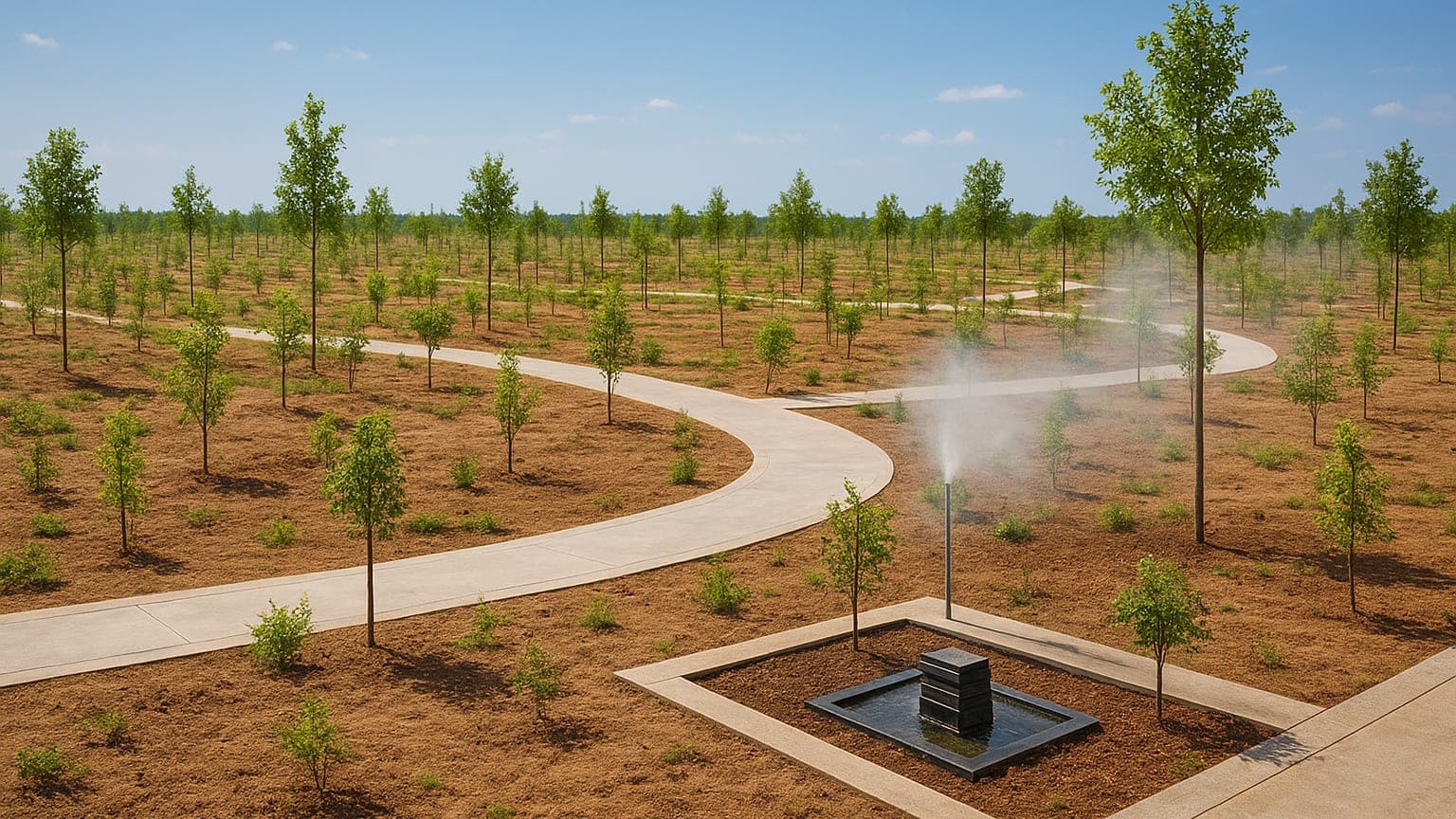
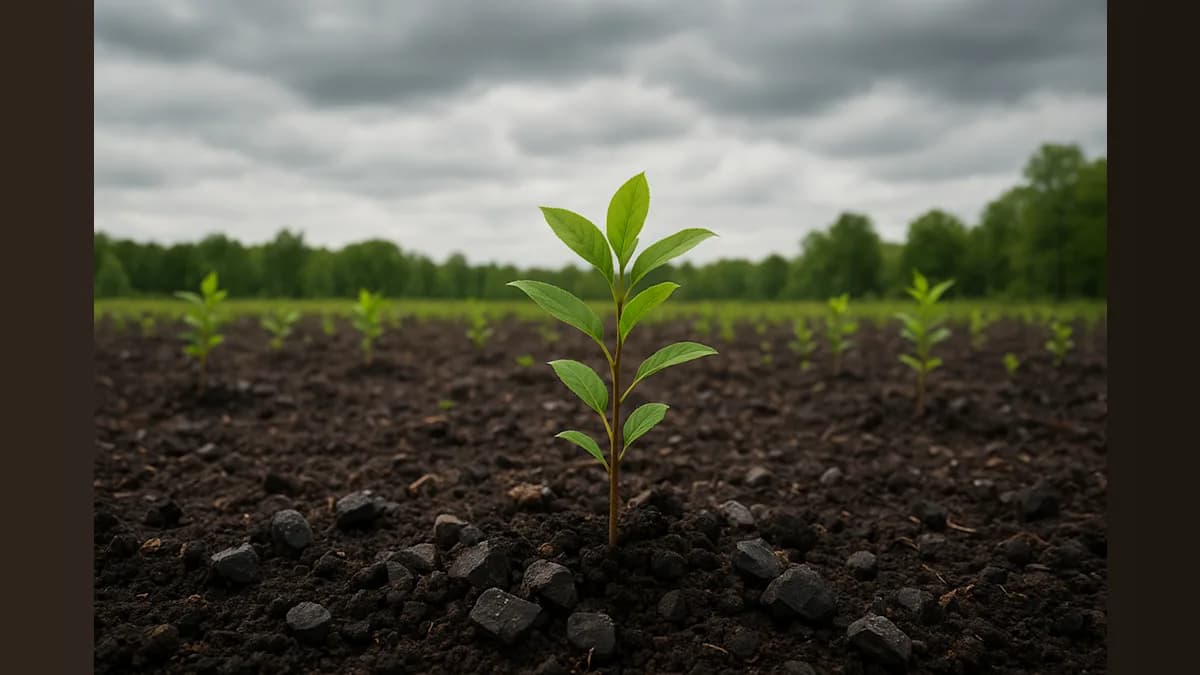
Across 25 acres of reforested woodland, scientists have planted and monitored 26,000 trees distributed among 72 different plots. The experimental design creates a comprehensive case-control dataset tracking how trees respond to various reforestation techniques, with particular focus on crushed basalt application and the introduction of soil microbes from mature forests.
Early results show that spreading crushed basalt atop the soil boosted aboveground carbon storage potential by 27 percent. The technique works by allowing silicate rock fragments to weather into dust, releasing minerals that alter soil pH levels and enhance the supply and uptake of essential nutrients including nitrogen and phosphorous.
The research addresses a critical challenge facing global reforestation efforts. As billions of trees are planted worldwide to absorb carbon dioxide emissions and restore wildlife habitat, ensuring these juvenile forests survive long enough to meaningfully impact the carbon cycle remains difficult. Mass tree-planting initiatives frequently experience corresponding mass die-offs.
Researchers also tested whether fungi and microbes from nearby natural woodland could accelerate root system development at Glandwr, as these organisms do in natural forest ecosystems. While certain tree species—particularly oak and spruce—showed measurable benefits, variation across the project site made the results statistically insignificant overall.
A third experiment combining both crushed basalt and microbe enrichment likewise produced statistically insignificant results. The research team suggested the forests may be too young for these combined interventions to take effect, proposing that extended monitoring periods could eventually reveal benefits.
The study demonstrates that relatively straightforward, nature-based interventions can improve tree establishment and increase carbon uptake during the critical early years of new woodlands. Such techniques could prove valuable as communities and governments expand forest restoration projects to combat climate change and support biodiversity.
The basalt application at the Welsh study site was conducted in 2023, with ongoing monitoring continuing to track long-term outcomes as the forest matures.