
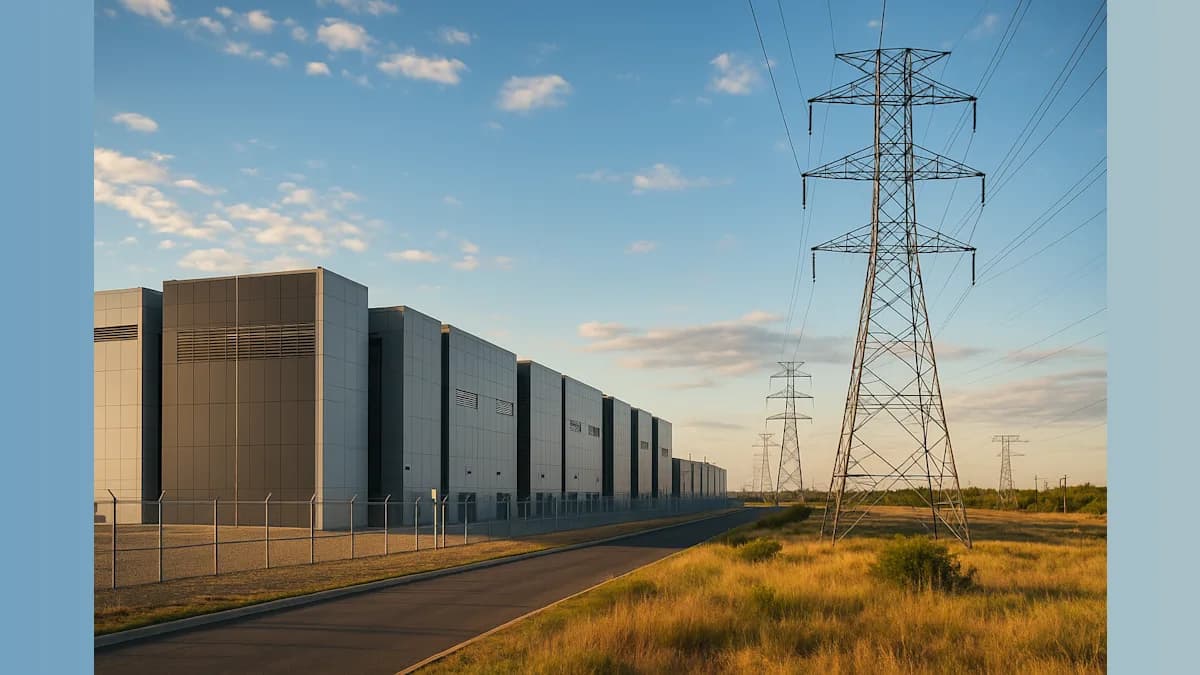
Texas faces a mounting challenge as data centers proliferate across the state, placing enormous strain on an electrical grid already tested by extreme weather and surging population growth. The question confronting energy planners and policymakers is stark: can the infrastructure keep pace with this voracious new source of demand?
Data centers, the physical backbone of cloud computing, artificial intelligence, and digital services, require massive amounts of continuous electricity to power servers and cooling systems. Unlike residential or commercial users whose consumption fluctuates throughout the day, these facilities demand constant, reliable power around the clock. This creates a fundamentally different challenge for grid operators accustomed to managing predictable peaks and valleys in electricity usage.
The timing of this expansion compounds existing concerns about Texas grid reliability. The state has experienced well-documented power failures during extreme weather events, and summer demand continues to set records as temperatures rise and the population expands. Adding industrial-scale electricity consumers to this equation introduces new variables that could stress generation capacity and transmission infrastructure.
For Texas communities, the implications extend beyond technical grid management. Data centers represent significant economic development opportunities, bringing jobs and tax revenue to host communities. However, they also compete for limited electrical resources with homes, schools, hospitals, and existing businesses. The balance between attracting high-tech investment and ensuring adequate power for current residents presents a complex policy challenge.
Energy analysts note that meeting data center demand will require substantial investment in new generation capacity and transmission lines. The question is not merely whether the grid can physically accommodate these facilities, but whether it can do so while maintaining the reliability and affordability that Texans expect. As artificial intelligence and cloud computing continue their rapid expansion, the pressure on electrical infrastructure will only intensify.
The resolution of this challenge will shape Texas energy policy for years to come, determining whether the state can successfully integrate cutting-edge technology infrastructure without compromising the fundamental service of keeping the lights on for millions of residents and businesses.