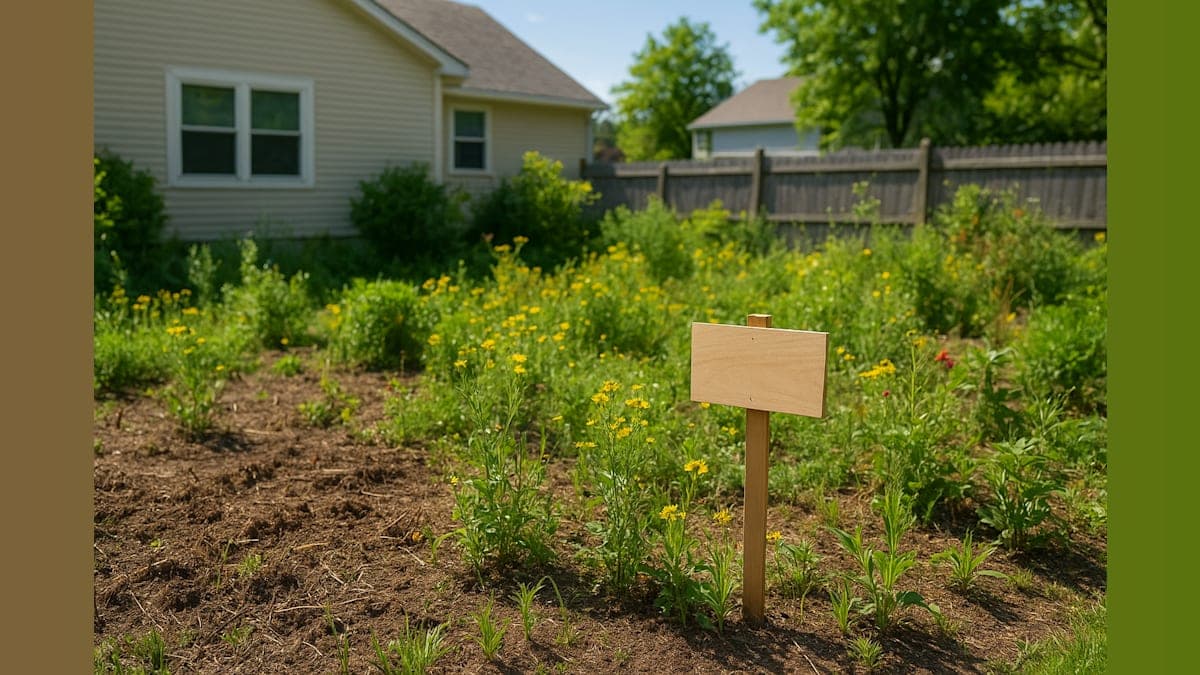
A simple act of restoration on one Pennsylvania property has catalyzed a nationwide rethinking of conservation strategy. Entomologist Doug Tallamy began removing invasive vegetation from his farm and replacing it with native plant species, a decision that would ultimately attract luna moths and document the presence of more than 1,380 moth species on land previously dominated by non-native plants.
That initial transformation laid the groundwork for Homegrown National Park, an initiative that has enrolled 52,000 registered participants managing more than 187,000 acres across the United States. The movement operates on a premise that challenges conventional assumptions about habitat restoration: meaningful conservation does not require vast budgets, specialized credentials, or remote wilderness areas.
Tallamy's approach centers on accessible action rather than institutional intervention. The restoration he documented on his own property required no expensive equipment or technical expertise, only the labor of removing problematic vegetation and establishing native plants suited to the local ecosystem.
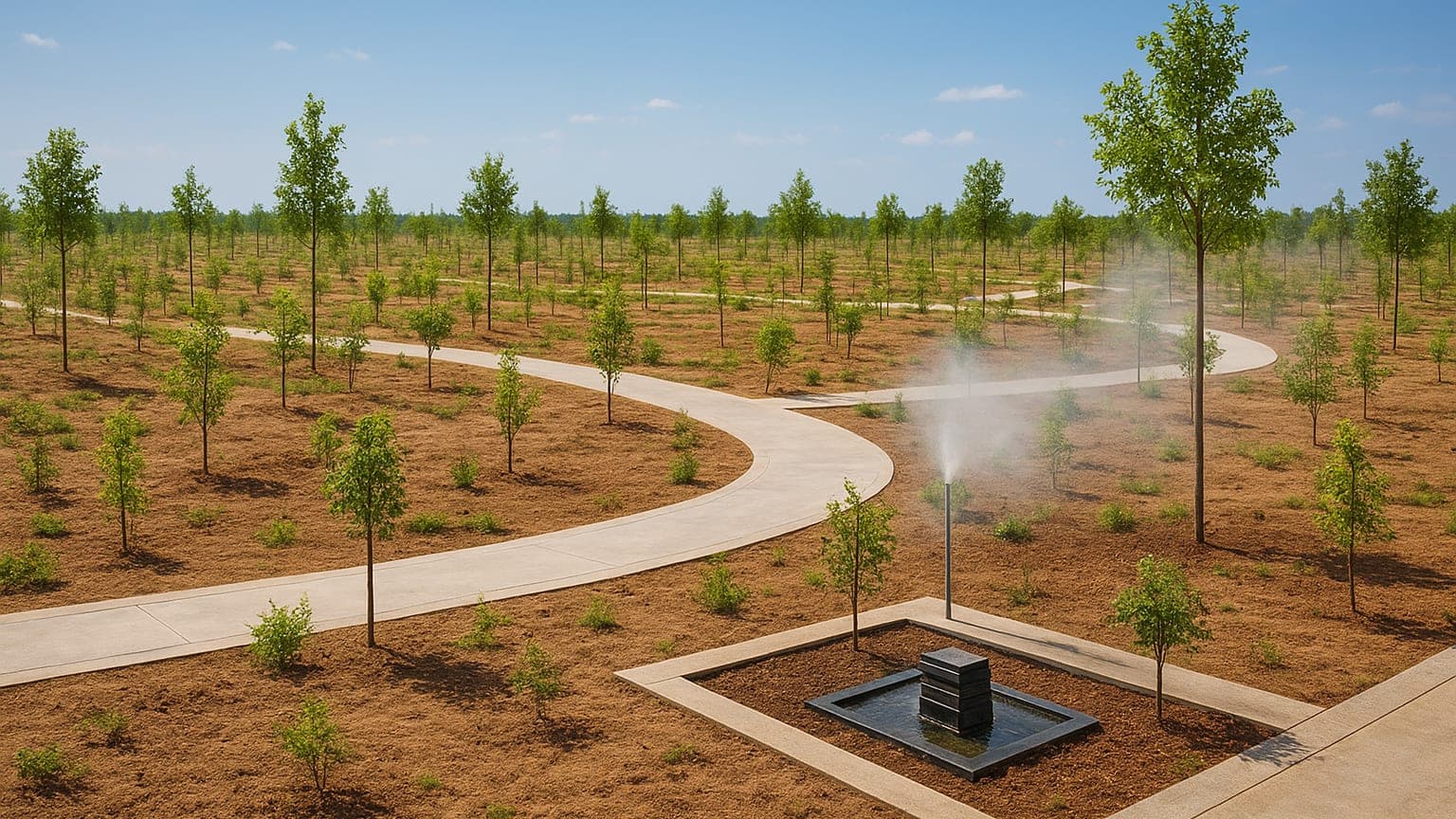
The scale of potential impact becomes clear through basic mathematics. "If 10 to 20 percent of landowners planted native plants," Tallamy noted, according to DailyGood, "this would add up to a habitat larger than 10 Yellowstones." That calculation suggests the collective acreage controlled by private property owners represents an untapped conservation resource exceeding the capacity of federal parkland.
The framework rejects the notion that ecological stewardship belongs exclusively to government agencies, environmental organizations, or trained professionals working in designated protected areas. Instead, it positions individual landowners as primary agents of habitat creation, capable of generating measurable ecological outcomes through decisions about landscaping and property management.
The moth diversity Tallamy recorded on his Pennsylvania farm illustrates the biological response that native plantings can trigger. Luna moths, along with more than 1,300 other species, colonized the restored habitat, demonstrating how quickly wildlife populations can rebound when appropriate vegetation is established.
The movement's growth to more than 187,000 acres suggests the concept resonates with property owners seeking tangible ways to address biodiversity loss. Participants register their properties and commit to replacing non-native ornamental plants with species that provide food and shelter for native insects, birds, and other wildlife.
Tallamy's work fundamentally reframes the timeline of conservation. Rather than viewing ecological recovery as a process requiring decades of policy development and institutional coordination, the Homegrown National Park model suggests that restoration can begin immediately through individual action. The distance between degraded habitat and functional ecosystem, in this framework, is measured by the willingness of ordinary citizens to alter what grows on their property.
The initiative challenges property owners to reconsider the ecological function of residential and agricultural landscapes. Lawns, ornamental gardens, and decorative plantings occupy millions of acres nationwide, representing potential habitat that currently provides minimal value to native species. Converting even a fraction of that acreage to native vegetation could generate conservation outcomes comparable to expanding the national park system.