A New Jersey mother of a six-year-old has become a central figure in the national conversation surrounding Jeffrey Epstein's abuse network, balancing the demands of single parenthood with frequent trips to Washington, D.C., to advocate for survivors and push for accountability.
Dani Bensky, who lives in a quiet suburban community, is scheduled to testify this week as acting Attorney General Todd Blanche faces lawmakers during confirmation hearings. Bensky and other survivors are opposing his confirmation, citing concerns about the release of nearly 3.5 million Department of Justice documents related to Epstein that contained spotty redactions and exposed survivors' private information.
Former Attorney General Pam Bondi stated that Blanche, when serving as her deputy, oversaw the document release. The files included names of wealthy and high-profile individuals connected to the convicted sex offender, but no additional arrests have followed their publication.
Bensky first encountered Epstein in 2004 when she was 17 years old, traveling to his New York penthouse to provide massages. The abuse led to a diagnosis of post-traumatic stress disorder, she said. Epstein died in a New York prison cell in 2019 while awaiting trial on federal sex-trafficking charges.
The New Jersey resident represents one of approximately 15 survivors among more than 1,000 victims who continue publicly advocating for justice. Most receive no compensation for their advocacy work, with some like Bensky living off settlements from Epstein's estate while working part-time jobs.
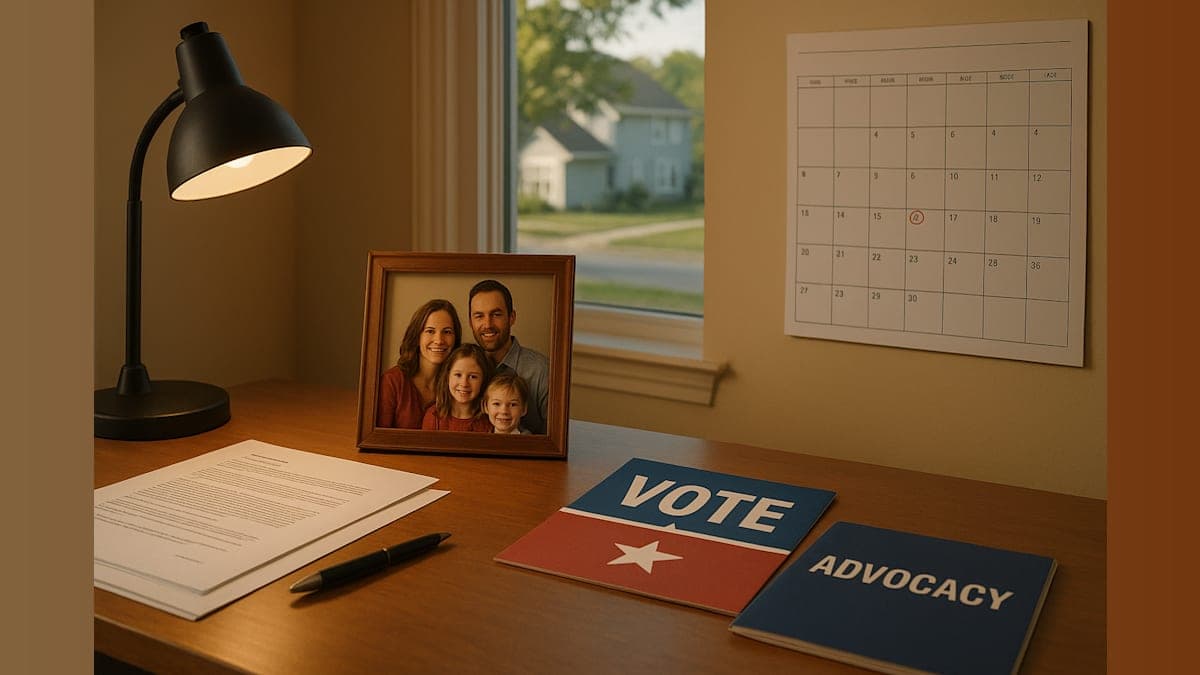
"There's no real escaping, you know?" Bensky told NPR. Her home reflects the dual nature of her existence: kindergarten artwork decorates the refrigerator alongside stacks of Department of Justice files kept in her dresser for easy access. A black pin reading "Release the Files" sits on her bedroom floor.
"It's transitioned from this very hopeful thing to being more in the warrior mentality," Bensky told NPR regarding the ongoing investigation into Epstein's associates. "The fight is longer than I think we expected it to be."
The House Oversight Committee continues interviewing individuals connected to Epstein, though survivors express frustration at the pace of progress. Despite the publicity following the document release last year, no new arrests have materialized.
Bensky travels to Washington twice monthly for hearings and meetings, with recent trips also taking her to Florida and Chicago. The constant advocacy work creates physical manifestations of stress. During a Capitol Hill visit in May, her body shook continuously from early morning until bedtime, she said.
In June, Bensky participated in the World Without Exploitation conference, a gathering of hundreds of sexual abuse survivors and advocates. She joined seven other panelists wearing matching butterfly pins honoring Virginia Giuffre, an outspoken survivor who died by suicide in 2025.
Fellow survivor Annie Farmer, who testified about abuse she experienced at age 16 at Epstein's Zorro Ranch in New Mexico in 1996, has become part of what the advocates call their "survivor sisterhood." The group maintains constant communication through text messages and supports one another through emotionally draining conference days.
"There are so many days where you feel like you can't keep going," Bensky said during the conference panel, according to NPR.
The survivors hope their continued public advocacy will lead to new legislation addressing sexual assault and trafficking. However, they acknowledge the personal cost of repeatedly reliving traumatic experiences.
"There's a lot more to it than being a quote, unquote professional Epstein survivor," Bensky told NPR. "But it feels that way sometimes. … Sometimes it could feel like you've been branded for life."
Between advocacy trips, Bensky returns to her New Jersey home to navigate the challenges of single motherhood. Her son Dax, an energetic six-year-old who aspires to be a ninja, attends kindergarten locally. The children of several Epstein survivors have formed friendships, creating what Bensky describes as an "interesting family affair."
"You come home and you still have family waiting for you — and you have the PTA," she told NPR, laughing.
Looking at childhood photographs scattered on her dining room table, Bensky reflected on the lasting impact of the abuse. "I miss the kid that I was," she said, according to NPR.
The survivor network remains committed to their cause despite the emotional and physical toll. "I hate that he connected me to all my favorite people," Bensky told NPR, referring to Epstein's role in bringing the advocates together. The survivors have discussed eventually removing Epstein's name from their identity as "Epstein survivors," though for now his presence remains inescapable in their daily lives.