Agricultural producers in Ethiopia are achieving significant cost reductions while simultaneously increasing food production and reducing environmental impact through the adoption of solar-powered irrigation systems. The transformation comes through the Nature-based Solutions for Sustainable and Inclusive Development program, an initiative led by the international nonprofit organization Farm Africa.
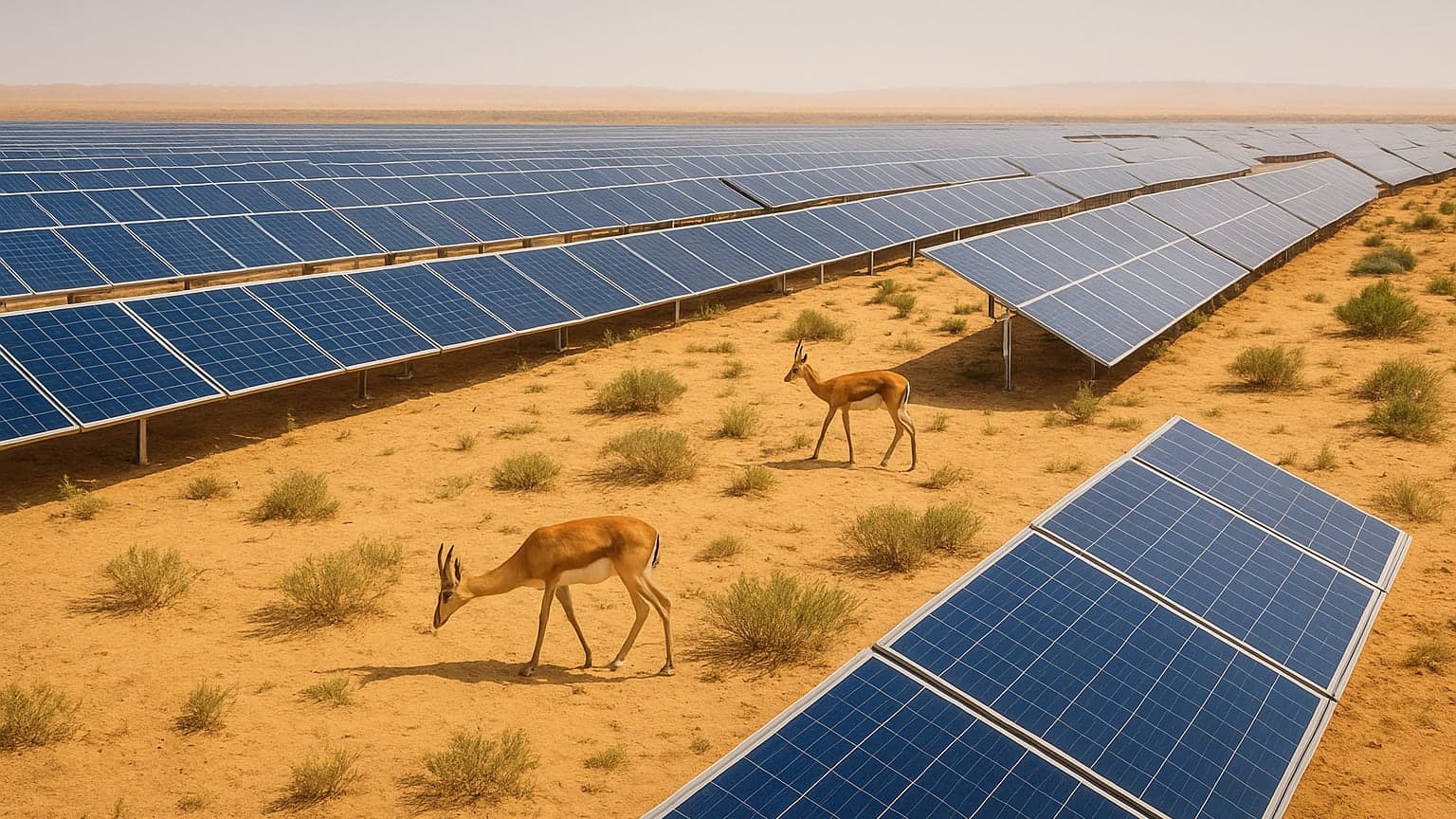
The program capitalizes on Ethiopia's exceptional solar resources. The East African nation is renowned for its abundant sunshine, often described as having "13 months of sunshine," a reference to the Ethiopian calendar system and the country's consistently sunny climate. This natural advantage positions Ethiopia as an ideal location for solar energy applications in agriculture.
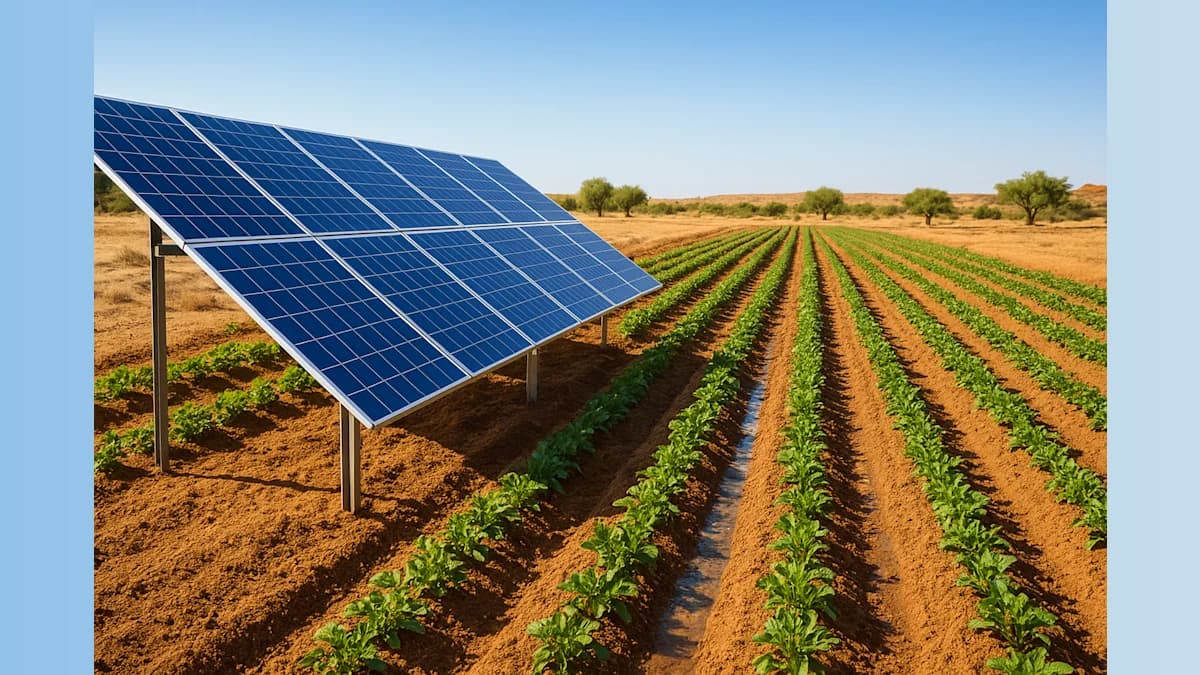
Solar irrigation represents a departure from traditional farming methods that rely on diesel-powered pumps or manual labor for water distribution. By harnessing photovoltaic technology, farmers can operate irrigation systems without fuel costs, reducing their operational expenses by thousands of dollars annually while eliminating the carbon emissions associated with fossil fuel combustion.
The environmental benefits extend beyond emissions reductions. Solar-powered systems provide consistent, reliable water access that enables farmers to optimize growing schedules and increase crop yields. This enhanced productivity contributes to food security in a region where agricultural output directly impacts community welfare and economic stability.
Farm Africa's approach demonstrates how renewable energy technology can address multiple challenges simultaneously. The program not only reduces the financial burden on individual farmers but also advances broader sustainability goals by decreasing reliance on fossil fuels in the agricultural sector. The initiative serves as a model for how developing nations with abundant natural resources can leverage those assets to modernize essential industries while protecting environmental quality.
The success of solar irrigation in Ethiopia highlights the potential for similar programs across sub-Saharan Africa and other sun-rich regions where agriculture remains a primary economic driver. As solar technology costs continue to decline globally, the economic case for renewable-powered farming systems strengthens, offering a pathway toward more sustainable and profitable agricultural practices.