Multiple investigations are underway following a fatal shooting by an Immigration and Customs Enforcement agent in Southern Maine on Monday, an incident that has sparked community outrage and raised serious questions about the circumstances leading to the death.
According to ICE, the agency was conducting an operation seeking a different individual when the fatal encounter occurred. The acknowledgment that the person killed was not the target of the enforcement action has intensified scrutiny of the incident and the agency's operational protocols.
The shooting took place on Monday, July 13, 2026, though specific details about the location within Southern Maine and the identity of the deceased have not been publicly released. Federal authorities have not disclosed what led to the use of deadly force or whether the individual was armed.
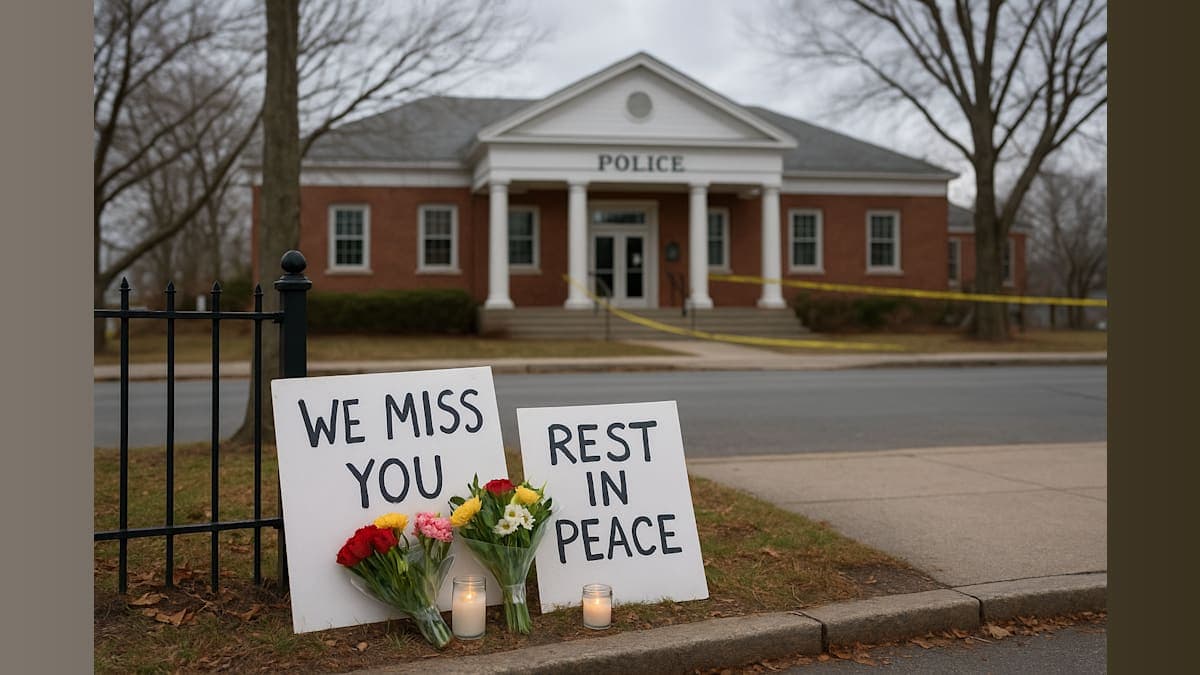
Community response has been swift and sustained. Protests and vigils have continued in the area as residents demand transparency and accountability from federal immigration enforcement officials. The demonstrations reflect growing concerns about ICE operations in Maine communities and the potential for tragic outcomes during enforcement activities.
The investigations involve both federal and local law enforcement agencies, a standard procedure when federal agents discharge their weapons. The scope and timeline of these inquiries remain unclear, though community advocates are calling for swift action and full disclosure of findings.
This incident marks a significant moment for Southern Maine, where immigration enforcement operations have historically generated tension between federal authorities and local communities. The fact that the deceased was not the intended target of the ICE operation has amplified concerns about the risks posed to bystanders and community members during such enforcement actions.
As investigations proceed, community members continue to gather for vigils honoring the deceased and demanding answers about how the fatal encounter unfolded. The ongoing protests signal that residents are unlikely to accept incomplete explanations or delayed transparency from federal authorities.