The Interior Department has taken a controversial stance that could upend more than a century of urban planning precedent in the nation's capital, arguing that Washington D.C.'s longstanding height restrictions do not apply to federal construction projects.
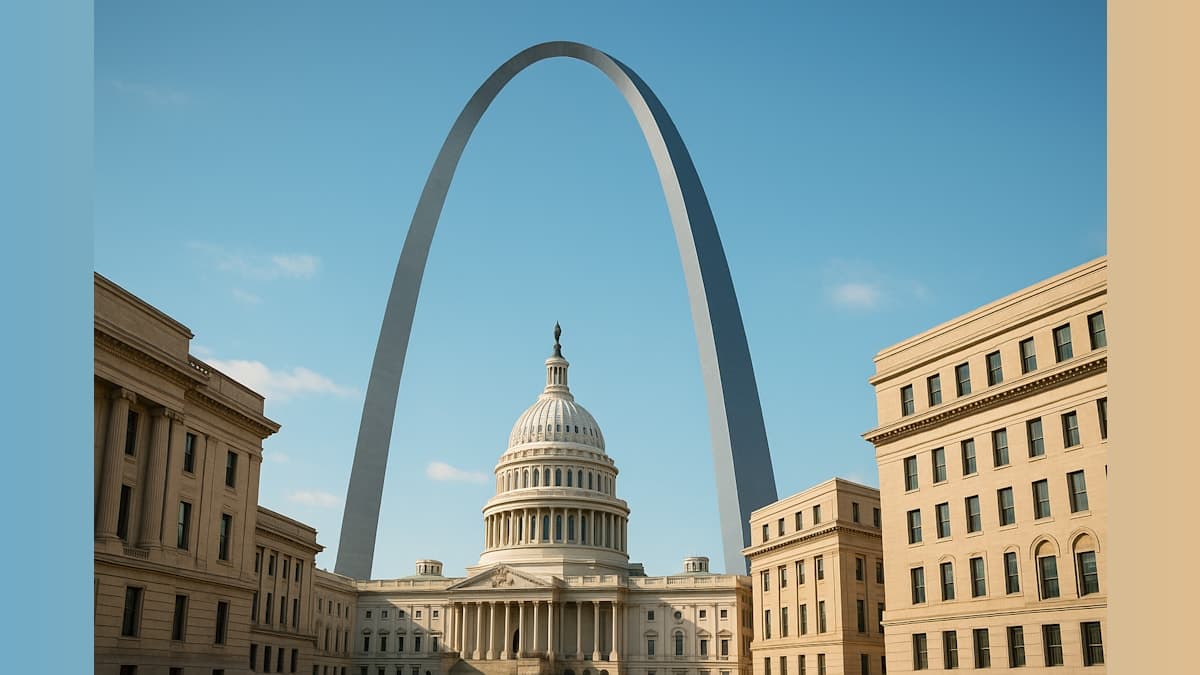
The assertion comes as a review panel evaluates former President Trump's proposed arch, a project that has generated significant debate about the future character of the capital city. According to experts, if the reviewing body accepts the Interior Department's legal interpretation, the decision could fundamentally transform Washington's distinctive low-rise skyline.
Washington D.C. has maintained strict height limitations for more than one hundred years, a policy that has shaped the city's architectural identity and preserved sight lines to major monuments and government buildings. The Height of Buildings Act, originally passed in 1910, generally restricts buildings to heights no greater than the width of the adjacent street plus twenty feet, with an absolute maximum of 130 feet on residential streets and 160 feet on commercial corridors.
The Interior Department's position represents a dramatic departure from established practice. For decades, federal agencies have voluntarily complied with the District's height regulations, even though the federal government technically operates under separate jurisdiction. This informal agreement has maintained architectural consistency across the capital, regardless of whether a building sits on federal or local land.
Urban planning specialists warn that exempting federal projects from height restrictions could create a two-tiered development landscape in Washington. Federal buildings and monuments could rise to unprecedented heights while privately owned structures remain constrained by the existing limits. Such a scenario could disrupt the carefully calibrated visual harmony that has defined the capital's appearance for generations.
The proposed arch itself has become a focal point for broader debates about federal authority, historical preservation, and the future direction of Washington's development. The structure would represent a significant addition to the capital's collection of monuments and memorials, though details about its specific dimensions and location remain subject to the ongoing review process.
The outcome of this review carries implications far beyond a single construction project. A ruling in favor of the Interior Department's interpretation could establish legal precedent allowing future federal developments to bypass local height regulations entirely. Such a shift would grant federal agencies unprecedented latitude in shaping the physical landscape of the District, potentially over the objections of local officials and residents who have no voting representation in Congress.
The review panel's decision is expected to draw intense scrutiny from preservationists, urban planners, local government officials, and residents concerned about maintaining the capital's distinctive character. The question of whether federal projects should remain bound by the same height restrictions that govern private development strikes at fundamental issues of local autonomy and federal power in the nation's capital.