Three states in the lower Colorado River basin will face mandatory reductions in water usage under a new federal plan released Saturday by the Trump Administration.
The two-year operating plan targets Arizona, California, and Nevada, requiring each state to curtail the amount of water it draws from the Colorado River. The directive represents the federal government's latest intervention in managing a river system that supplies water to approximately 40 million people across seven states and Mexico.
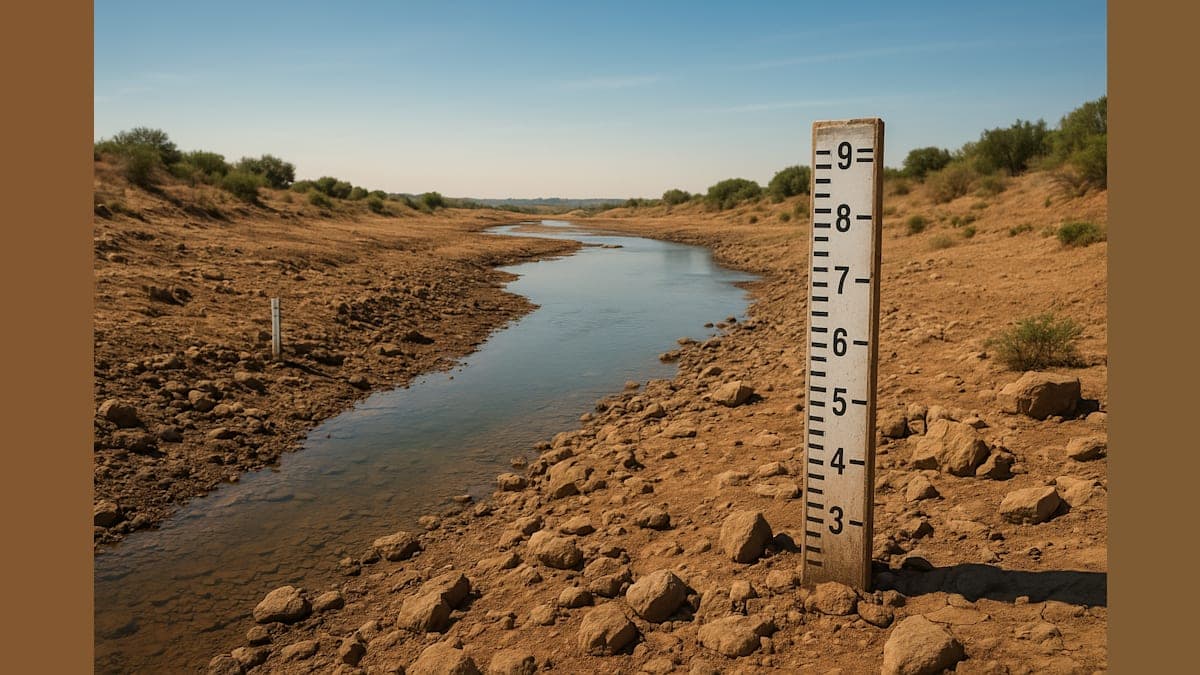
The announcement on August 22 underscores the continuing crisis facing the Colorado River, which has experienced more than two decades of drought conditions and declining reservoir levels. The river's two largest reservoirs, Lake Mead and Lake Powell, have seen dramatic water level drops in recent years, prompting federal officials to implement increasingly stringent conservation measures.
The lower basin states have been engaged in protracted negotiations over water allocation as climate change and overuse strain the river system. The federal plan will govern operations through 2028, establishing parameters for how much water each state can extract during this critical period.
California holds the largest allocation of Colorado River water among the lower basin states, followed by Arizona and Nevada. The mandatory cuts will affect agricultural operations, municipal water supplies, and industrial users throughout the region.
The Colorado River crisis has emerged as one of the most significant water management challenges facing the western United States, with implications for food production, urban development, and ecosystem health across a vast geographic area.