A small German municipality has spent more than a decade redefining the purpose of public green space, transforming areas once reserved for ornamental plants into productive gardens where residents may freely harvest food.
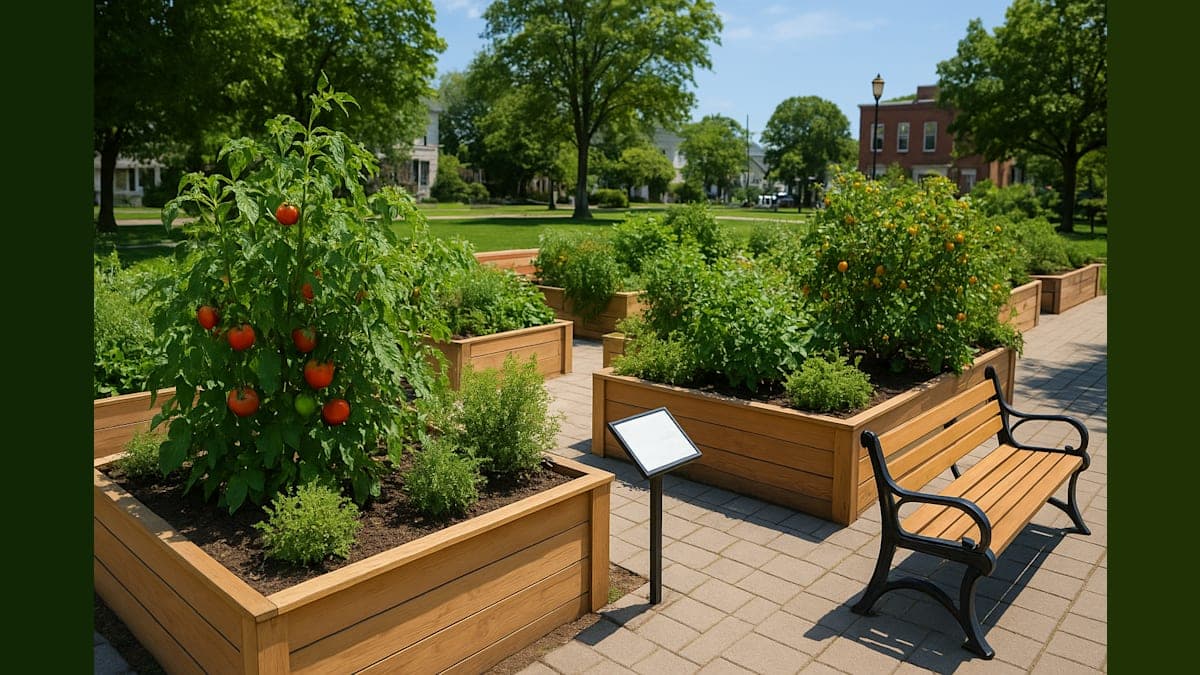
Andernach am Rhein began converting unused municipal land into edible gardens in 2010, replacing traditional landscaping with vegetables, herbs, and fruit trees. Where signs once warned visitors to keep off the grass, new placards now invite them to pick produce.
The initiative has woven food production into the town's medieval architecture. Tomatoes climb the stone walls of the castle. Herbs grow in raised beds positioned along traffic roundabouts. Fig and quince trees have been planted throughout areas featuring centuries-old stonework.
What started as a biodiversity project showcasing 101 varieties of tomatoes has evolved into a broader reimagining of how communities use shared spaces. The town employs a traffic-light card system to inform passersby when specific vegetables have reached peak ripeness, providing an educational tool that teaches both children and adults to recognize the stages of plant growth.
The program also addresses social and economic needs. Long-term unemployed residents maintain many of the garden plots through a local social enterprise, creating opportunities for meaningful work while contributing to the community's food supply.
Lutz Kosack, who initiated the project, envisioned public spaces that would be fragrant and flavorful while fostering community connections. Initial concerns that the gardens would be stripped bare proved unfounded. Instead, the shared harvest prompted neighbors to exchange recipes and engage in conversation.
The Andernach model demonstrates how municipalities can layer multiple benefits into a single initiative. The gardens provide free food, create employment, enhance biodiversity, educate residents about agriculture, and strengthen social bonds. The approach requires no sweeping policy declarations, relying instead on the simple act of planting food where ornamental flowers once stood and trusting residents to participate responsibly.
The success of the program suggests that communities may be more ready than planners assume to embrace shared resources and collective stewardship. When given access to public food gardens, residents of Andernach am Rhein responded not with exploitation but with cooperation, transforming municipal green space into common ground in both literal and social terms.