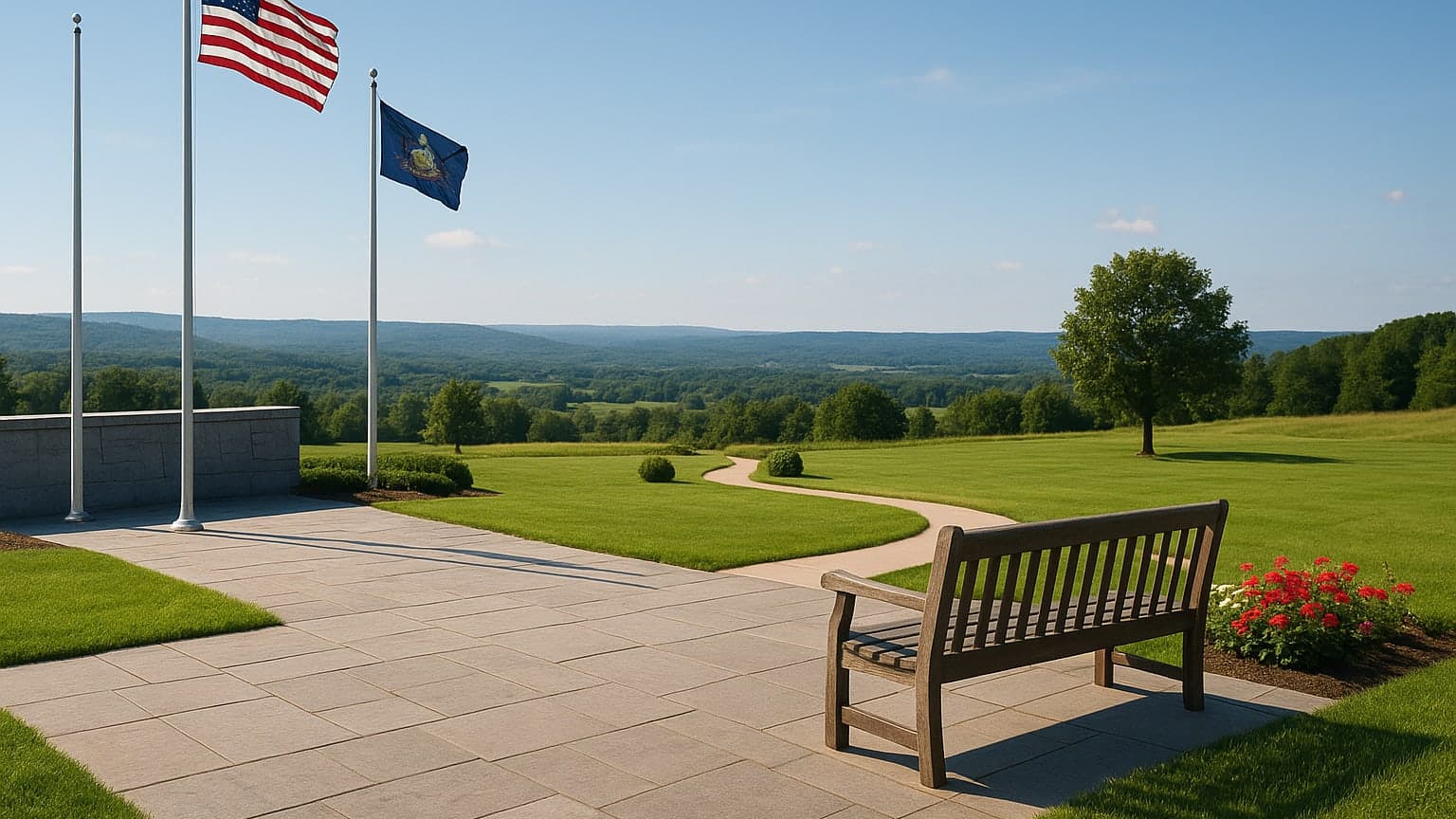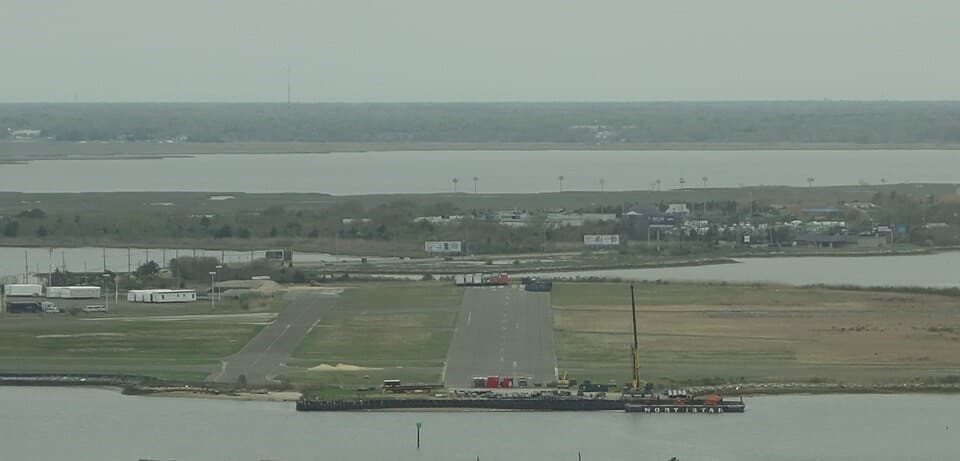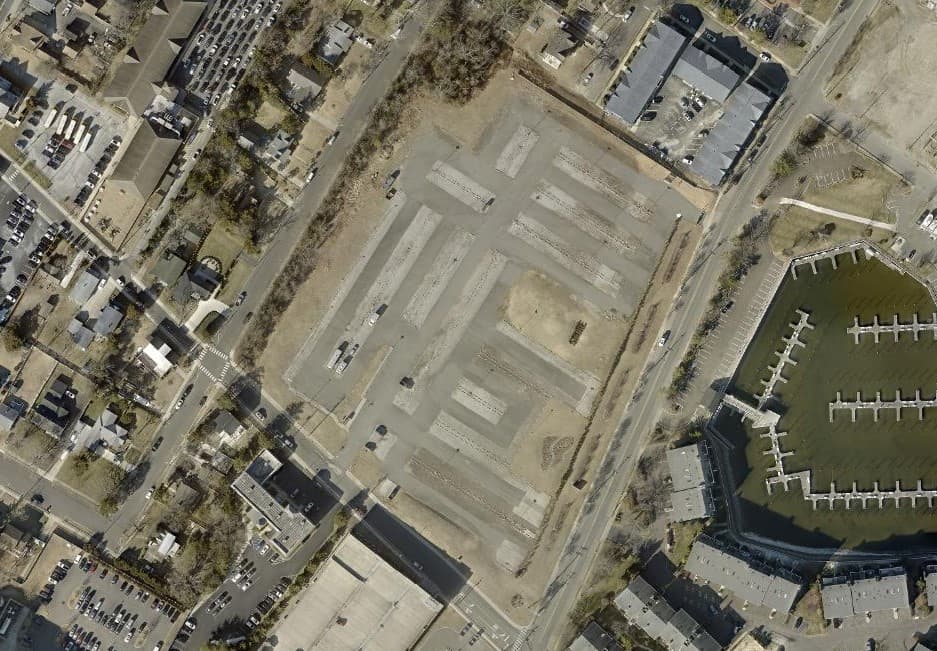
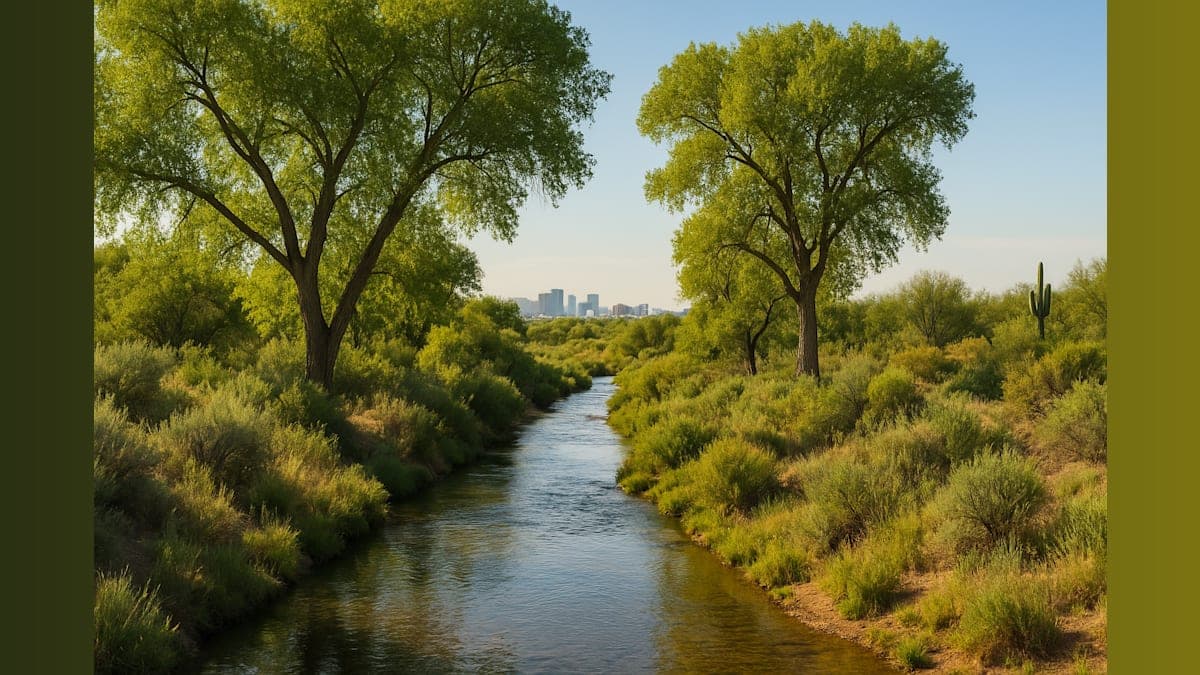
In a metropolitan area defined by its arid climate and extensive urban development, the Rio Salado Habitat Restoration Area stands as a remarkable exception to Phoenix's concrete landscape. This carefully maintained ecological preserve offers a stark contrast to the surrounding city, showcasing the Salt River's natural character in an environment otherwise dominated by asphalt and development.
The restoration area represents a significant conservation effort within one of the nation's fastest-growing metropolitan regions. While Phoenix continues to expand outward, this protected corridor along the Salt River maintains the native vegetation and riparian habitat that once characterized the valley before urbanization transformed the landscape.
For residents seeking respite from the desert heat and urban environment, the Rio Salado Habitat Restoration Area provides an accessible natural retreat. The green space serves multiple functions: ecological preservation, educational opportunity, and recreational resource for a community where such natural areas have become increasingly rare.
The preservation of this riparian corridor holds particular significance in the context of water scarcity and environmental challenges facing the Southwest. As the Salt River and its tributaries face mounting pressure from development and climate change, protected areas like this restoration site become increasingly valuable for both wildlife habitat and public appreciation of the region's natural heritage.
The existence of such an oasis within Phoenix demonstrates the possibility of balancing urban growth with environmental stewardship, offering a model for how cities in arid regions can maintain connections to their natural landscapes even as development continues.