As the nation marks the 82nd anniversary of D-Day on Friday, June 6, 2026, one historian has found a unique method to ensure the sacrifices of that pivotal day remain vivid in public memory.
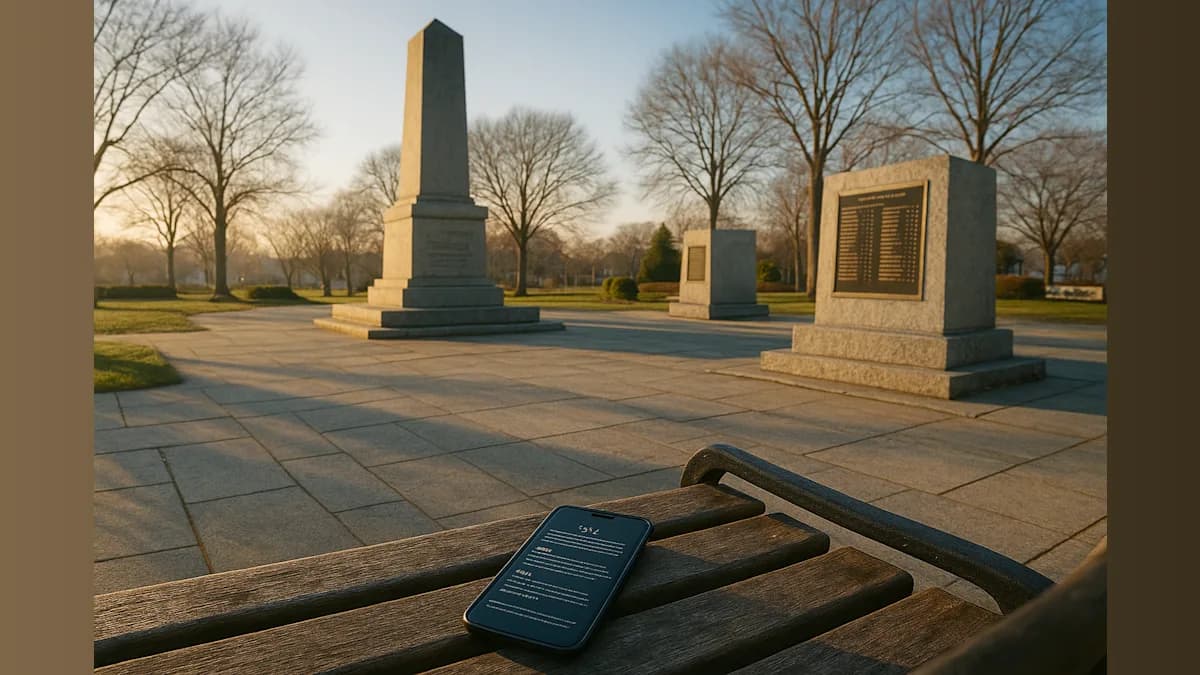
Historian Alex Kershaw has transformed the way Americans engage with World War II history by posting live social media updates at the National World War II Memorial, carefully timed to correspond with the actual events that unfolded on June 6, 1944. This innovative approach bridges the gap between historical scholarship and modern digital communication, allowing contemporary audiences to experience the invasion of Normandy as it happened, moment by moment.
The technique represents what Kershaw describes as an unlikely method to preserve the memory of D-Day for new generations. By synchronizing social media posts with the timeline of the actual invasion, followers can witness the progression of events in real time—from the pre-dawn paratroop drops to the beach landings and the fierce fighting that followed throughout that fateful day.
This approach to historical commemoration reflects a broader challenge facing historians and educators: how to make events from more than eight decades ago resonate with audiences increasingly removed from the World War II generation. The real-time social media format creates an immediacy that traditional historical narratives often lack, transforming distant historical facts into a living, unfolding story.
The National World War II Memorial in Washington, D.C., serves as an appropriate backdrop for this digital commemoration. The memorial stands as a permanent tribute to the generation that fought and won the war, and Kershaw's social media initiative extends that mission into the digital realm where younger Americans increasingly consume information and engage with history.
As fewer World War II veterans remain alive to share their firsthand accounts, historians like Kershaw face the urgent task of finding new ways to ensure their stories endure. The real-time social media commemoration represents one answer to that challenge, using the tools of the present to honor the sacrifices of the past.