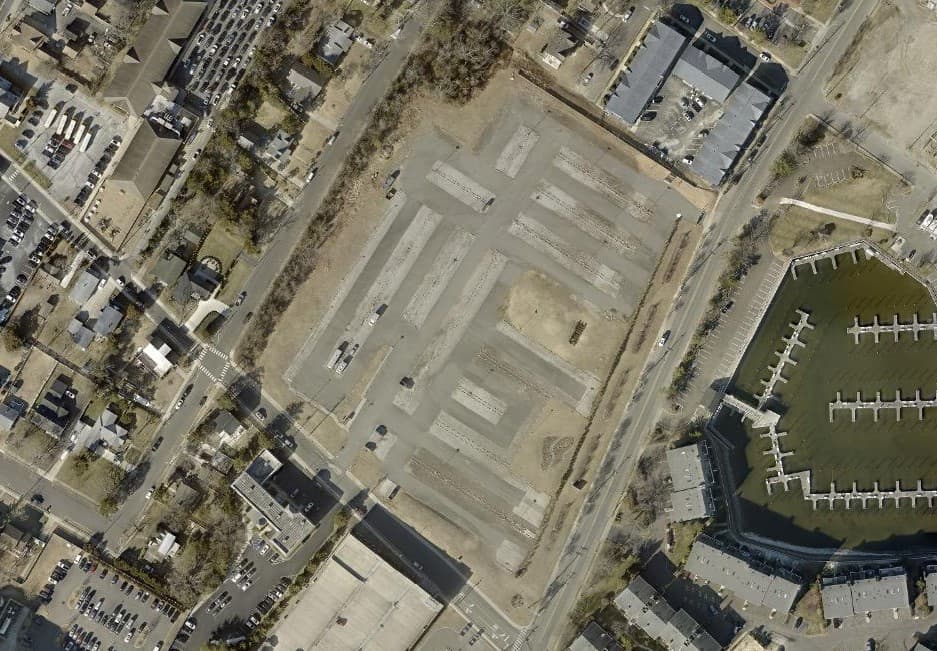
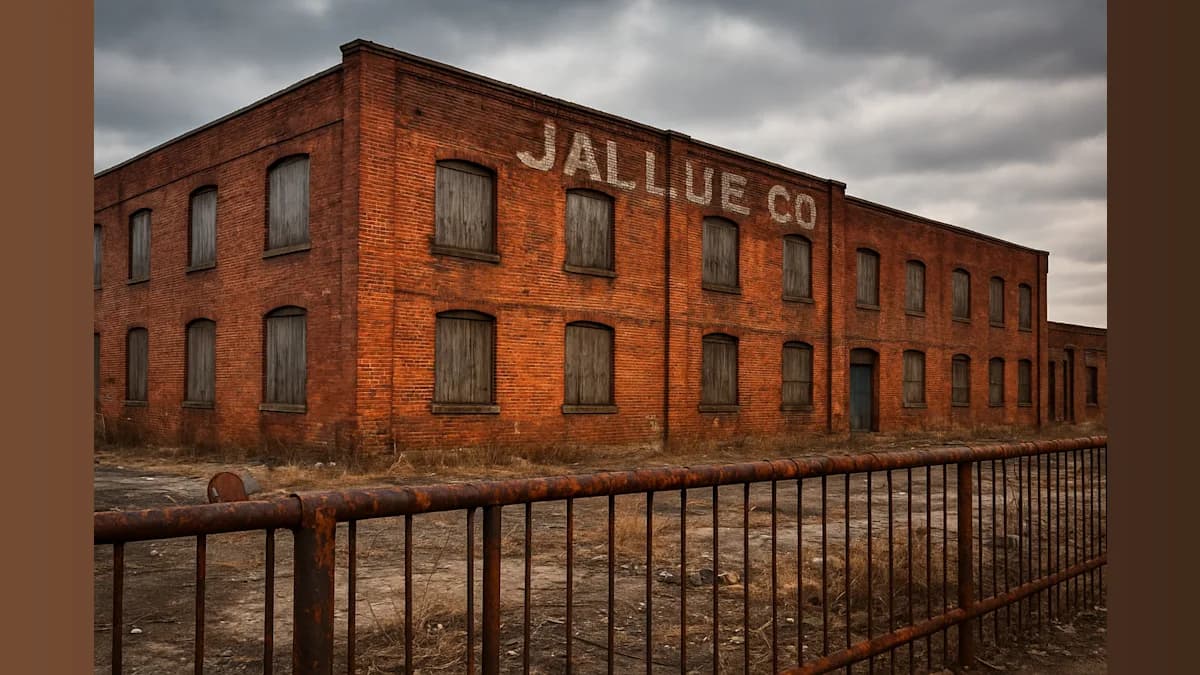
The industrial town of Homestead, Pennsylvania stands as a landmark in American labor history, where a pivotal steelworkers strike in 1892 fundamentally altered the trajectory of worker organizing in the United States. More than 134 years after that confrontation, the lessons from Homestead continue to inform discussions about labor rights, economic power, and the relationship between workers and corporations.
NPR correspondent Don Gonyea traveled to Homestead to explore the enduring significance of one of America's most consequential labor disputes. The strike, which unfolded in the steel mills that once dominated the Pennsylvania landscape, represented a critical moment when industrial workers challenged the concentrated economic power of the Gilded Age.
The 1892 Homestead Strike emerged from tensions between steelworkers and management over wages, working conditions, and union recognition. The conflict escalated into violence and became a defining episode in the struggle for workers' rights during America's rapid industrialization. The outcome of the strike had lasting implications for labor organizing, influencing union strategies and employer responses for generations.
Examining this historical event through a contemporary lens reveals striking parallels to current economic debates. Questions about fair compensation, workplace safety, collective bargaining power, and the balance between labor and capital remain central to policy discussions today. The Homestead experience offers a case study in how labor disputes can reshape entire industries and influence the broader economic landscape.
The steel industry that once defined Homestead has largely vanished, replaced by a transformed economic reality. Yet the fundamental tensions that sparked the 1892 strike—disputes over worker dignity, economic security, and the distribution of profits—continue to animate labor movements across various sectors of the modern economy.
Understanding the Homestead Strike provides essential context for evaluating contemporary labor actions, from warehouse workers organizing at major retailers to service employees demanding higher wages. The historical precedent demonstrates both the potential and the limitations of worker collective action in confronting powerful economic interests.
As economic inequality and worker rights return to the forefront of national conversation, the events in Homestead, Pennsylvania serve as a reminder that these struggles have deep roots in American history. The strike that reshaped the labor movement more than a century ago continues to offer insights into the ongoing negotiation between labor and capital that defines the American economic system.