Italy has achieved a remarkable environmental milestone that marks a dramatic reversal of centuries-old land use patterns. For the first time since the Middle Ages, the nation's forests now cover more territory than its agricultural land, representing a fundamental shift in the Italian landscape.
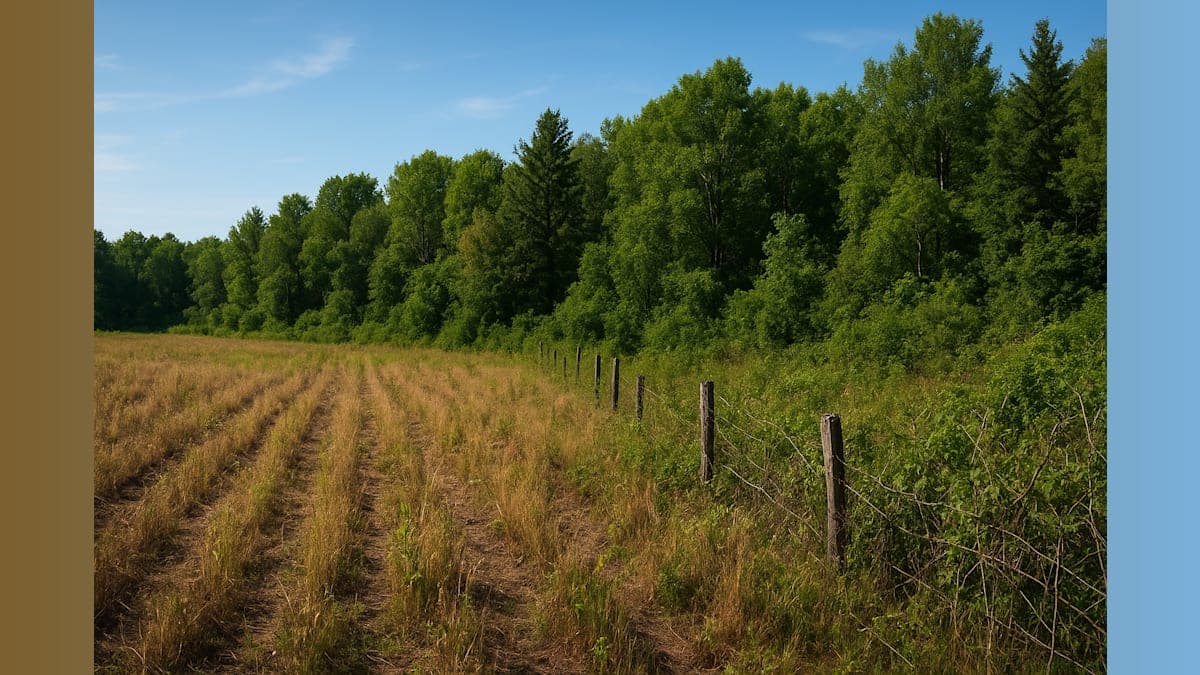
Forests currently stretch across 60,000 square miles of the Italian Peninsula, according to a report published this week by the National Union of Mountain Municipalities and Entities. The milestone was officially reached in 2020, though the data has only recently been made public. The woodland expansion is concentrated primarily in mountain regions, where cultivated land has gradually reverted to forest over recent decades.
The economic value of these expanding forests extends far beyond timber production. The report emphasizes the substantial ecological services that forests provide without human intervention, including carbon storage, water and air filtration, and erosion prevention. In the municipality of Marcetelli in the Rieti Province, where 94 percent of the land is covered in trees, these natural forest functions would cost approximately $9.5 million annually if industrial solutions were required to replace them.
The reforestation trend has emerged from an unexpected source: rural depopulation. For the past two decades, young Italians have increasingly abandoned mountain and rural-plains areas for major cities, leaving behind marginal farmland and traditionally pastured lands. Small towns with habitation records dating to medieval times have emptied as residents sought urban opportunities.
However, the expansion of forested areas appears to be reversing this demographic exodus. Since 2021, 932 Italian municipalities have recorded positive net migration of 10 per 1,000 inhabitants, with a significant portion of these communities located in heavily forested regions. The trend suggests growing demand for living close to nature, even as traditional farming communities have declined.
The geographic distribution of Italy's forests reflects the nation's mountainous terrain. The Alps, pre-Alpine hills, North Italian Plain, and Apennines contain 3,598 municipalities that account for three-quarters of the country's total forested area. These regions harbor just 13.5 percent of the national population, underscoring their rural character while highlighting the ecological benefits of the transformation.
Wildlife populations stand to benefit substantially from the expanded habitat. Locally endangered species including bears and wolves will find increased support in mountain woodlands. The forests also provide enhanced habitat for wild boar and red deer, offering increased opportunities for hunters who supply Italian restaurants with favored game meats.
The expansion creates opportunities for eco-tourism and sustainable forestry operations. Visitors seeking to experience Italy's woodland ecosystems will find the most heavily forested municipalities in the provinces of Perugia, which contains two of the five most-wooded municipalities in the nation, and Udine, which also contains two of the top five.
The report acknowledges that forests have not appeared spontaneously but have reclaimed agricultural land previously worked by farmers and ranchers. The transformation suggests that Italy's supply of farmland and pasture exceeded demand, as agricultural markets did not generate sufficient economic incentive to retain farming families in rural areas. From an economic perspective, the shift represents changing consumer preferences rather than decline, with demand for natural landscapes growing as demand for farming community life has diminished.
The reforestation of Italy represents one of Europe's most significant environmental transformations in recent decades, demonstrating how demographic and economic shifts can produce unexpected ecological benefits. As forests continue to expand across the Italian Peninsula, they are reshaping not only the landscape but also the relationship between rural communities and the natural environment.