As automated license plate cameras proliferate throughout our state, a South Jersey lawmaker is working to ensure legal protections keep pace with the technology's rapid expansion.
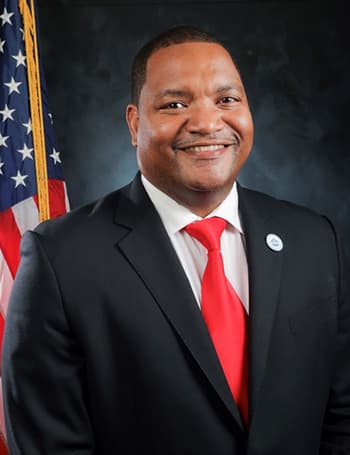
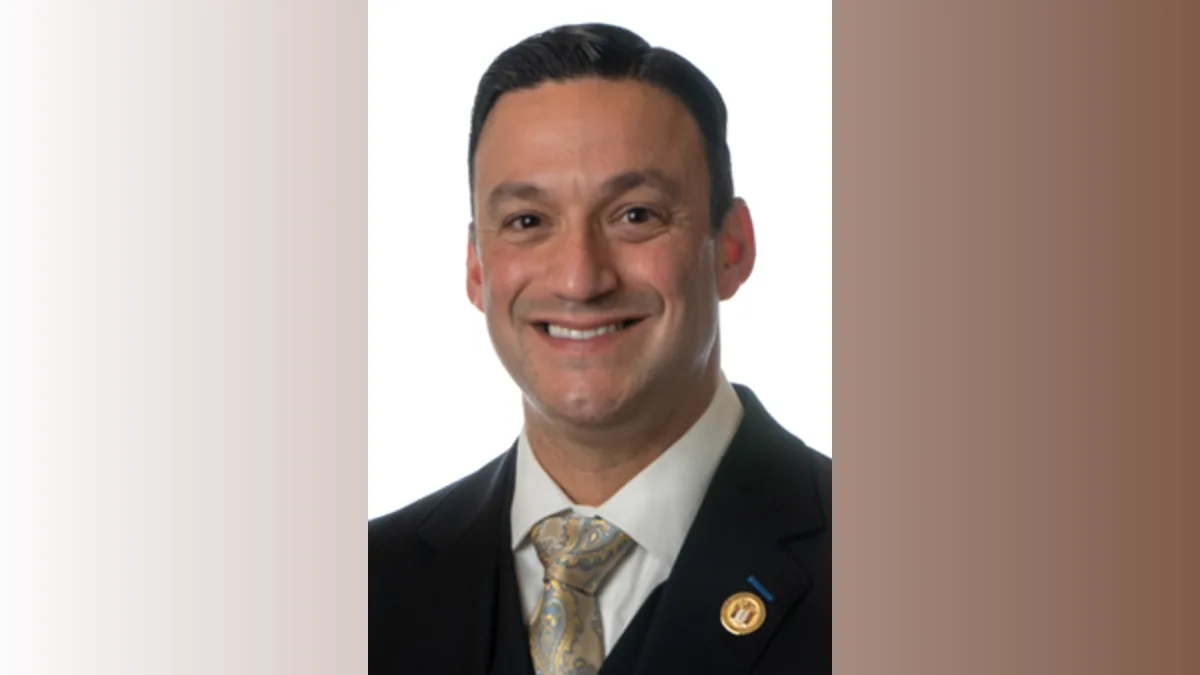
State Sen. Michael Testa, Jr. (R-Vineland) is preparing to introduce a bill that would write privacy safeguards into state law governing Flock cameras and similar automated license plate reader systems. The measure aims to balance law enforcement needs with residents' privacy rights as these surveillance tools become increasingly common across New Jersey.
While the full text of the legislation hasn't been released, Testa outlined its core purpose on Wednesday: establishing statutory limits on how police agencies can collect, store, and distribute information captured by the cameras.
"New Jersey residents should not have to wonder whether their movements are quietly being tracked or surrender their privacy because technology makes it possible," Testa said in a statement. "The legislation that I will be introducing will establish commonsense protections for law-abiding citizens while still allowing law enforcement to use this technology to catch dangerous criminals."
The technology in question does far more than simply photograph license plates. These automated systems capture plate numbers and issuing states, along with detailed vehicle characteristics including make, model, color, body type, and distinguishing features such as roof racks or body damage. Each scan is timestamped and location-tagged, creating a searchable database of vehicle movements.
New Jersey police departments currently operate under guidelines established by a 2022 directive from former Attorney General Matt Platkin. That directive set standards for how automated license plate reader data can be accessed, retained, shared, and overseen. Testa's proposal would elevate those protections from administrative policy to statutory law.
"In New Jersey, tools like Flock cameras can help fight crime—but only with real guardrails in place to prevent abuse," Testa wrote in a social media announcement of the forthcoming legislation.
The growing network of these cameras has raised alarms among civil liberties organizations. Privacy advocates warn the technology enables mass surveillance and sweeps up data on countless motorists who aren't under investigation for any wrongdoing.
The American Civil Liberties Union has characterized Flock Safety as "quietly trying to build a nationwide mass surveillance system."
Flock Safety pushes back against that description, emphasizing that individual law enforcement agencies—not the company—control whether captured data gets shared beyond their jurisdiction.
"It is always put to the customer. Sharing is always in control of the agency, never up to Flock," Flock Chief of Staff Holly Beilin said in an April video statement. She noted that agencies can opt to share information statewide, nationwide, or keep it entirely local.
Just how extensive is the camera network in our state? According to Deflock Maps, a crowdsourced tracking project, approximately 1,530 automated license plate reader cameras are currently operating in New Jersey. The surveillance infrastructure spans all 21 counties.
Testa plans to formally introduce his legislation during the Senate's next quorum call, which is expected to take place in September.

About the Author
Peter Killeen
A 25-year radio news veteran, Peter covers South Jersey for NewsTalk 1400 & 92.3 WOND radio. Known for his concise and impactful delivery, he ensures listeners and readers stay informed without unnecessary filler.