Ray and Shelly Romolt of Lockport faced an unusual dilemma when they discovered that their long-awaited new neighbors might inadvertently destroy a protected bird nest before ever moving in. The couple's intervention led to a construction delay that has drawn praise for both the homeowners and the builder involved.
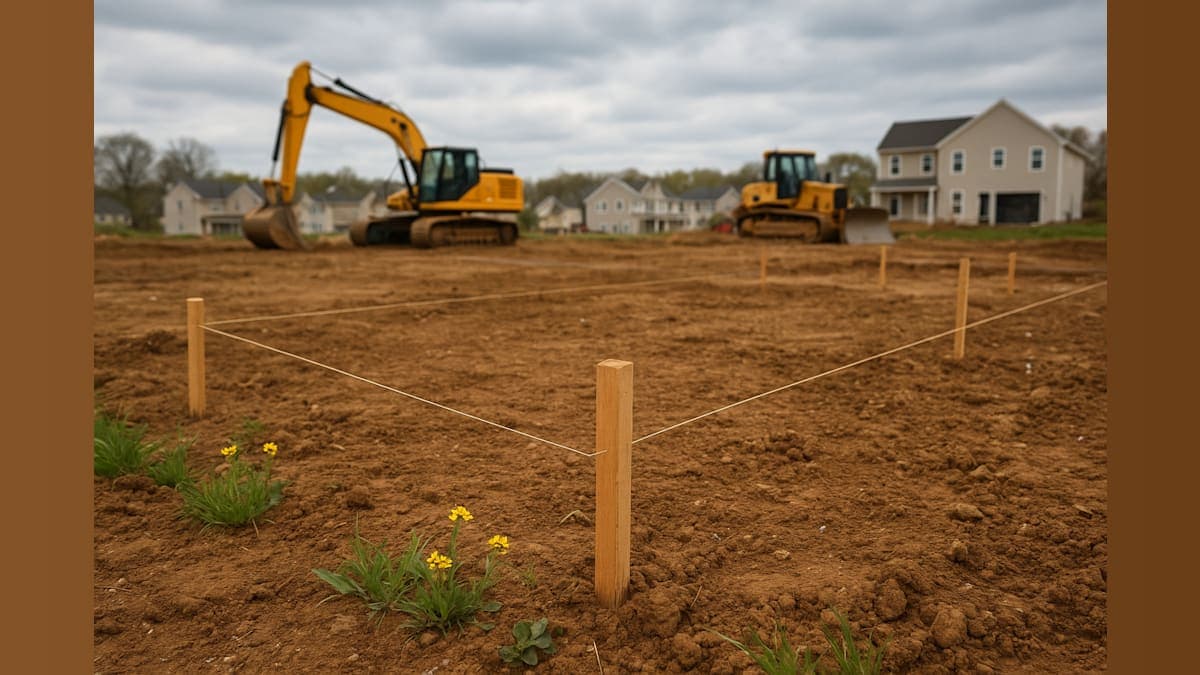
The Romolts had eagerly anticipated the development of the empty lot adjacent to their home. However, their excitement was tempered when they discovered that the property already had occupants: a pair of killdeer birds nesting among the weeds. During a walk through the lot, the couple found a nest containing four speckled killdeer eggs, which would face certain destruction once construction equipment arrived.
The couple's recent interest in local birdlife, sparked by media coverage of endangered Great Lakes piping plovers at Lake Michigan's Montrose Beach, had made them aware of the killdeer's protected status. Armed with this knowledge, they approached the development company with an unusual request.
"We want you to stop, just for a month or so," Shelly Romolt said her husband told an employee at the development's model home, speaking to the Tribune. "And then, please, build away."
When a construction crew arrived with a bulldozer, Ray Romolt explained that the killdeer is protected federally under the Migratory Bird Treaty. The crew listened attentively as he outlined the legal protections afforded to the nesting birds. D.R. Horton, the building contractor, subsequently suggested that the Romolts contact the Illinois Department of Natural Resources for official confirmation.
Shelly Romolt made the call and received verification that killdeer are indeed federally protected. The building crew would need to obtain a special permit to proceed with construction, or face potential penalties for disturbing the nest. The response from D.R. Horton proved swift and accommodating.
According to the Tribune's reporting, within one day of the Romolts' exchange with conservation police, the site supervisor arrived at the lot and placed caution tape and cones around the nesting site. The company assured the couple that they would postpone their scheduled dig date until the birds had hatched.
The intervention carries broader conservation significance. The International Union for the Conservation of Nature reclassified the killdeer from Least Concern to Near-Threatened in 2024, following scientific reports projecting a twenty percent population decline over the next three generations. Habitat destruction during nesting season represents one of the primary threats to the species.
The Romolts expressed satisfaction with D.R. Horton's handling of the situation. Despite their eagerness for new neighbors, they prioritized the welfare of the nesting birds and found the company's responsiveness commendable. The couple told the Tribune they expected the company to honor its commitment to delay construction.
This case demonstrates how federal wildlife protections can successfully intersect with private development when property owners remain vigilant and companies respond appropriately. The temporary construction delay will allow the killdeer chicks to hatch and fledge before ground-breaking begins, preserving both the birds and the builder's plans for the site.