A fish species that was banned from harvest as recently as 2012 has staged one of the most dramatic ecological recoveries in Maine history, with populations surging to levels not seen in generations following the removal of major dams across the state's river systems.
The alewife, a silvery river herring that has sustained Maine communities for centuries, reached a population of 20 million fish during the 2025 spawning run. The milestone represents a stunning reversal for a species whose numbers had plummeted since the 18th century due to river damming and commercial overfishing.
The Penobscot River has emerged as the centerpiece of this conservation success. Two dam removals on that waterway have created what Rustin Taylor, executive director of the Alewife Harvesters of Maine, called "probably one of the premier success stories of our time," speaking to Inside Climate News.
"We've gone from losing the fish completely in a lot of river systems due to damming and pollution, and now we have some of the largest populations in the globe," Taylor told Inside Climate News.
The recovery required coordinated action across multiple fronts. A statewide dam removal initiative launched in 1999 and concluded in 2016, dismantling barriers that had blocked fish migration routes for generations. Four years before the final dam came down, authorities imposed a moratorium on offshore commercial harvesting of alewives, giving depleted ocean populations time to rebuild.
The decline had been severe and prolonged. Historical records show catastrophic collapses in fish stocks dating back to 1840, when damming first disrupted migration patterns. By 1994, annual inland catches had cratered to just 150,000 pounds from a historical average of 3 million pounds.
During peak migration season, healthy alewife runs transform quiet streams into churning masses of silver as millions of fish push upstream to spawn. Colonial settlers, Native American communities, and wildlife alike once relied on these abundant runs for sustenance. The native Passamaquoddy tribe's name for the species, siqonomeq, translates to "the fish that feeds all."
That name reflects the alewife's ecological importance beyond its value as food. Taylor described the species as a vital "nutrient conveyor belt" that transports ocean nutrients inland through river systems. Predators ranging from bears to eagles feed on the fish, distributing those nutrients throughout forest ecosystems through their droppings.
The fish earned its common name from its distinctive fat silver belly, which early observers compared to the rounded figures of female tavernkeepers in colonial times. More formally classified as river herring, alewives migrate from the Atlantic Ocean into freshwater rivers each spring to spawn, following the same instinctive patterns as salmon.
Communities across Maine have long celebrated the annual alewife migration with festivals, though for many decades these gatherings took on somber tones as participants witnessed dwindling numbers. Some residents took matters into their own hands, using buckets to manually transport fish over smaller dams that blocked their passage.
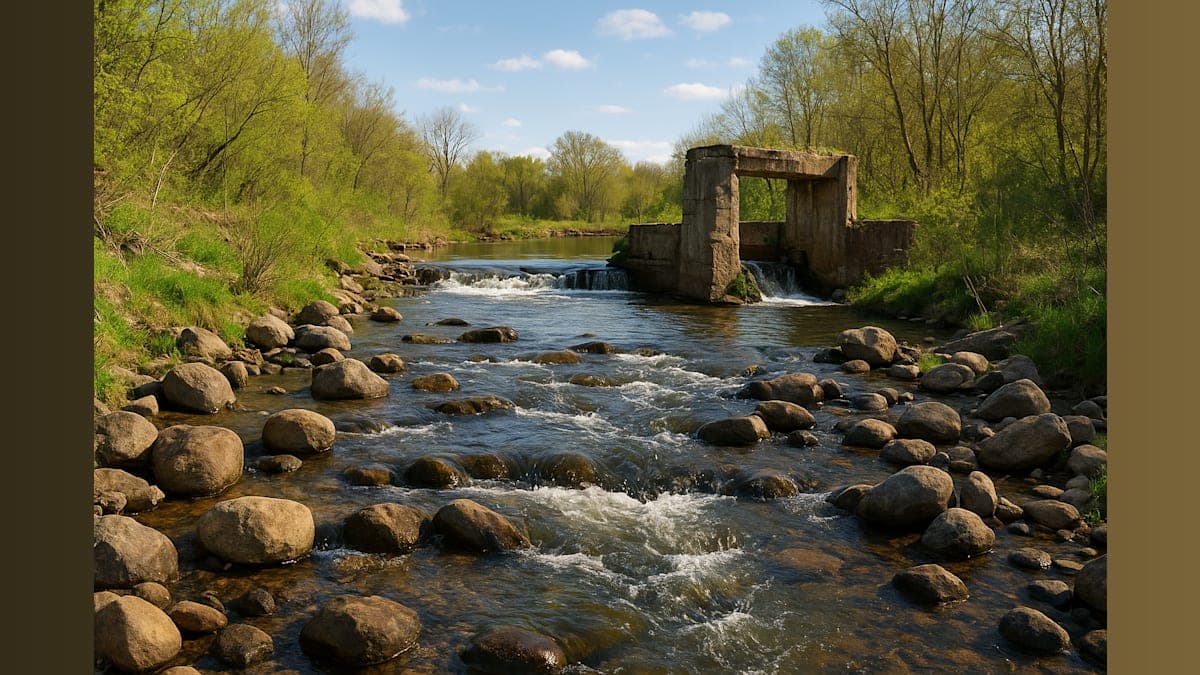
Where dams remain in place, newly constructed fish channels now provide alternative routes for migrating alewives. These engineering solutions, combined with the major dam removals, have accelerated population recovery beyond initial projections.
"Some of those dam removals have led to incredible restorations of alewife migrations much faster than anticipated," Taylor said, speaking to Inside Climate News.
The Penobscot River restoration has benefited multiple species, with Atlantic salmon also utilizing the reopened migration corridors. The success demonstrates how removing obsolete infrastructure can rapidly restore ecological function to river systems that had been degraded for centuries.